
Affiliate Disclosure: This post may contain affiliate links. If you make a purchase through these links, we may earn a commission at no extra cost to you. For more information, please see our affiliate disclosure.
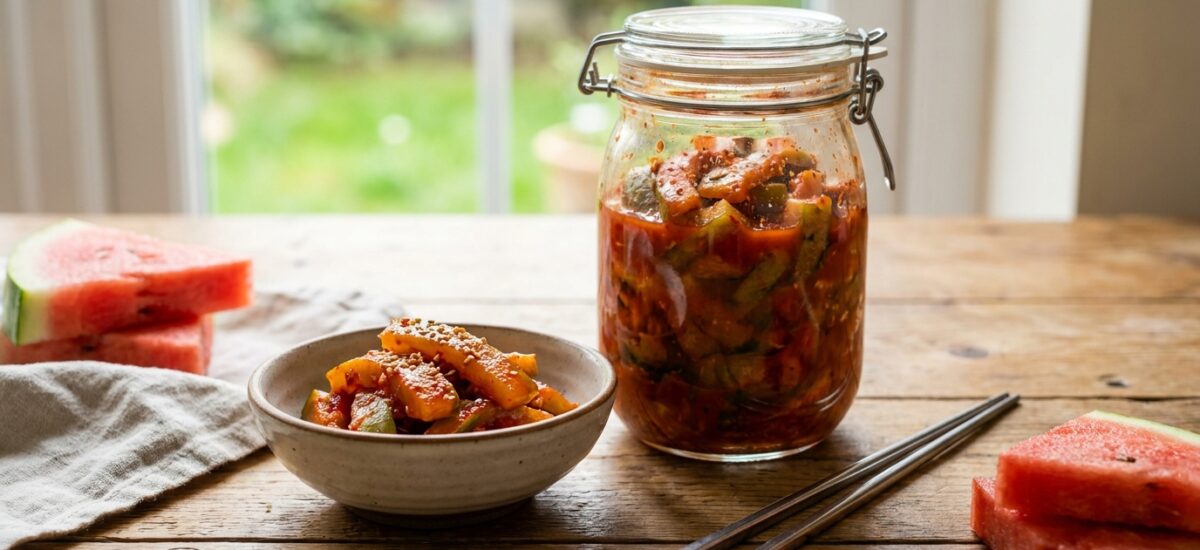
Summer is synonymous with juicy, refreshing watermelon. But what happens to that often-discarded white part, the rind, once you’ve devoured the sweet red flesh? In many cultures, especially Korean cuisine, the rind is far from waste – it’s a culinary treasure! Today, we’re diving into the delightful world of Watermelon Rind Kimchi, a crunchy, spicy, and tangy fermented side dish that embodies the spirit of zero-waste cooking and tantalizes your taste buds.
Forget everything you thought you knew about watermelon rinds. This recipe transforms them into an incredibly flavorful and surprisingly versatile kimchi. It’s a fantastic way to enjoy the crisp texture of the rind, infused with the bold, savory, and spicy flavors characteristic of traditional Korean kimchi. Prepare to be amazed by this unique take on a classic!
Ingredients
- 1 large watermelon rind (from a 10-12 lb watermelon), about 4-5 cups prepared
- 2 tablespoons coarse sea salt or kosher salt
- 1/4 cup Gochugaru (Korean chili flakes)
- 3-4 cloves garlic, minced
- 1-inch piece fresh ginger, grated
- 2 tablespoons fish sauce (or soy sauce for vegan)
- 1 tablespoon sugar
- 1 tablespoon rice vinegar
- 2 green onions, thinly sliced
- 1 teaspoon toasted sesame seeds
- Optional: 1/2 small carrot, julienned; 1/4 small onion, thinly sliced
Product Spotlight

Henckels Classic 8-inch Chef’s Knife
$79.99Polypropylene finish. High Carbon Stainless Steel finish.
Buy on AmazonStep-by-Step Instructions
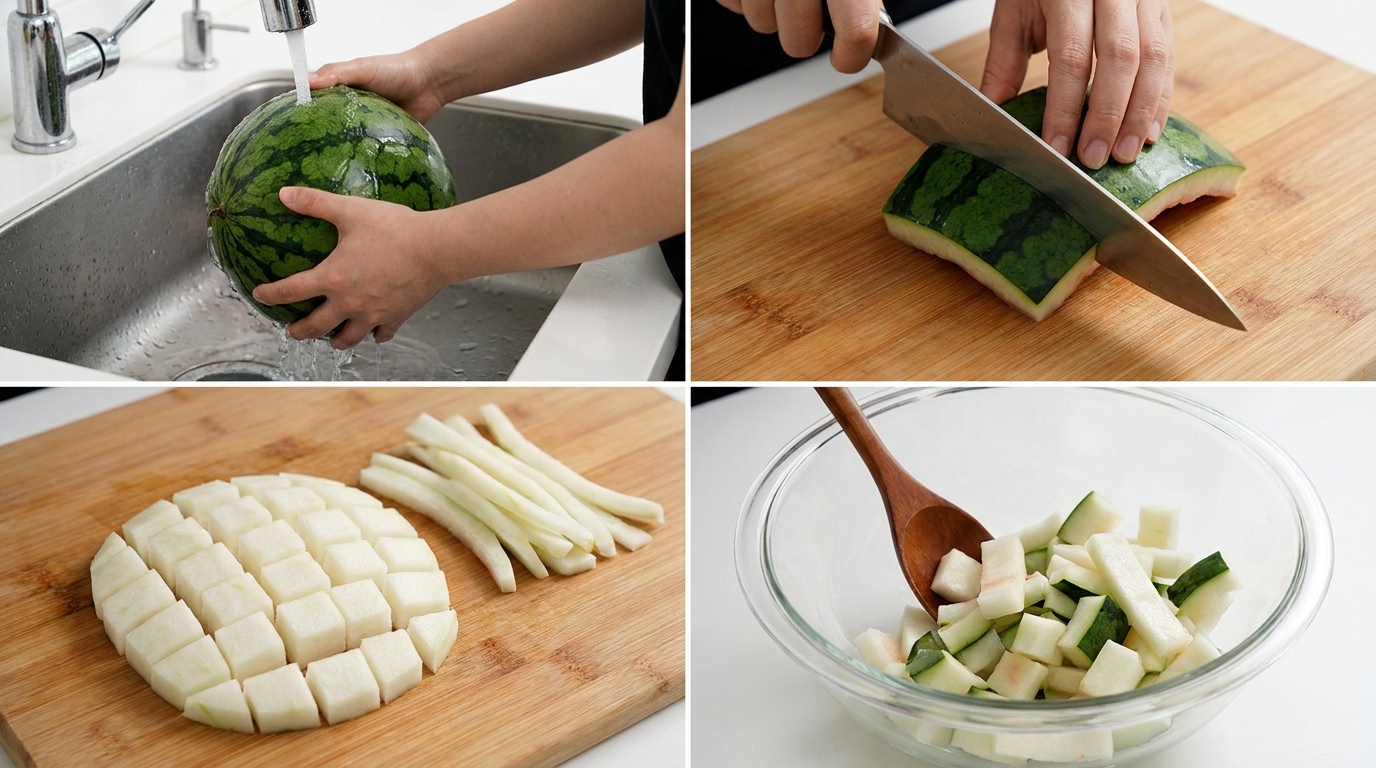
Step 1: Prepare the Watermelon Rind. First, wash the watermelon thoroughly. Using a sharp chef’s knife , carefully slice off the dark green outer skin of the rind. You want to remove all the green, leaving only the firm white and pale green part. Cut the prepared rind into bite-sized pieces, about 1-inch squares or thin strips. Place the cut rind into a large mixing bowl .
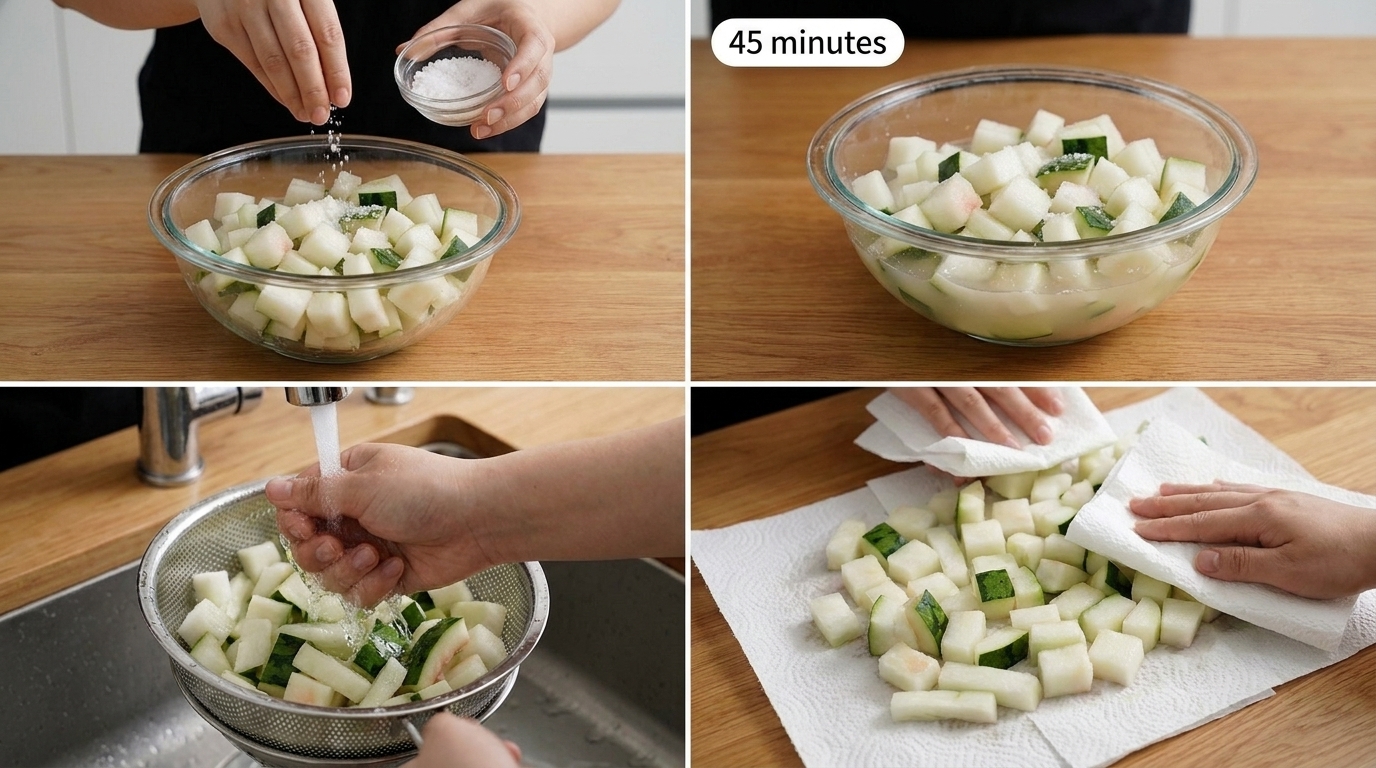
Step 2: Salt and Drain the Rind. Sprinkle the coarse salt over the watermelon rind pieces in the bowl. Toss well to ensure all pieces are evenly coated. Let the rind sit for about 30-60 minutes. During this time, the salt will draw out excess moisture from the rind, making it crispier and helping it absorb the kimchi paste flavors better. You’ll notice a pool of liquid at the bottom of the bowl. Drain this liquid thoroughly, then rinse the rind under cold water to remove excess salt. Squeeze gently to remove as much water as possible, then pat dry with paper towels.
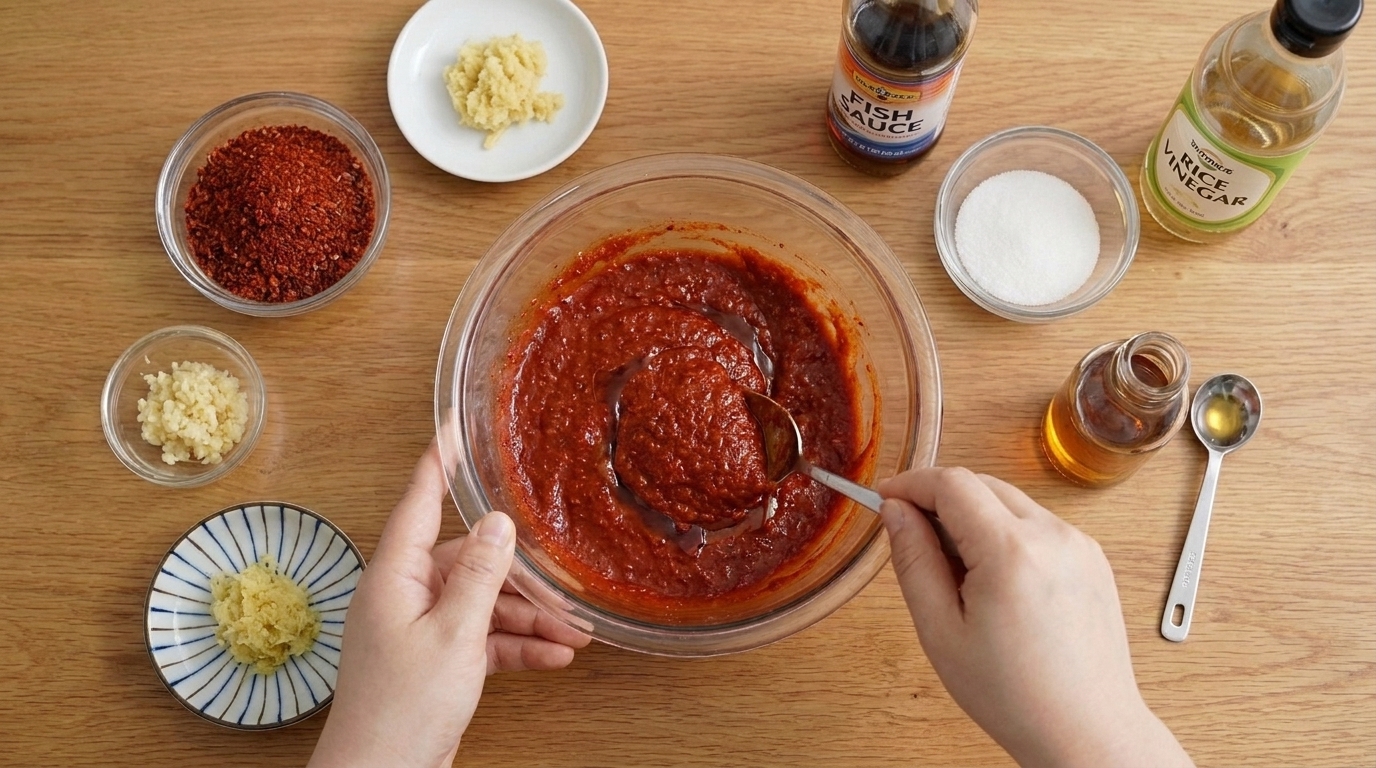
Step 3: Make the Kimchi Paste. In a separate medium bowl, combine the gochugaru, minced garlic, grated ginger, fish sauce (or soy sauce), sugar, and rice vinegar. Mix everything together until it forms a thick, vibrant red paste. If you prefer a less spicy kimchi, you can reduce the amount of gochugaru. For an extra layer of flavor, consider adding a teaspoon of sesame oil to the paste.
Step 4: Combine Rind and Paste. Add the drained and dried watermelon rind to the bowl with the kimchi paste. Add the sliced green onions and any optional julienned carrots or sliced onions. Using clean hands or gloves, thoroughly mix the rind with the paste, ensuring every piece is evenly coated. This is where the magic happens, as the rind begins to absorb the incredible flavors of the kimchi seasoning.
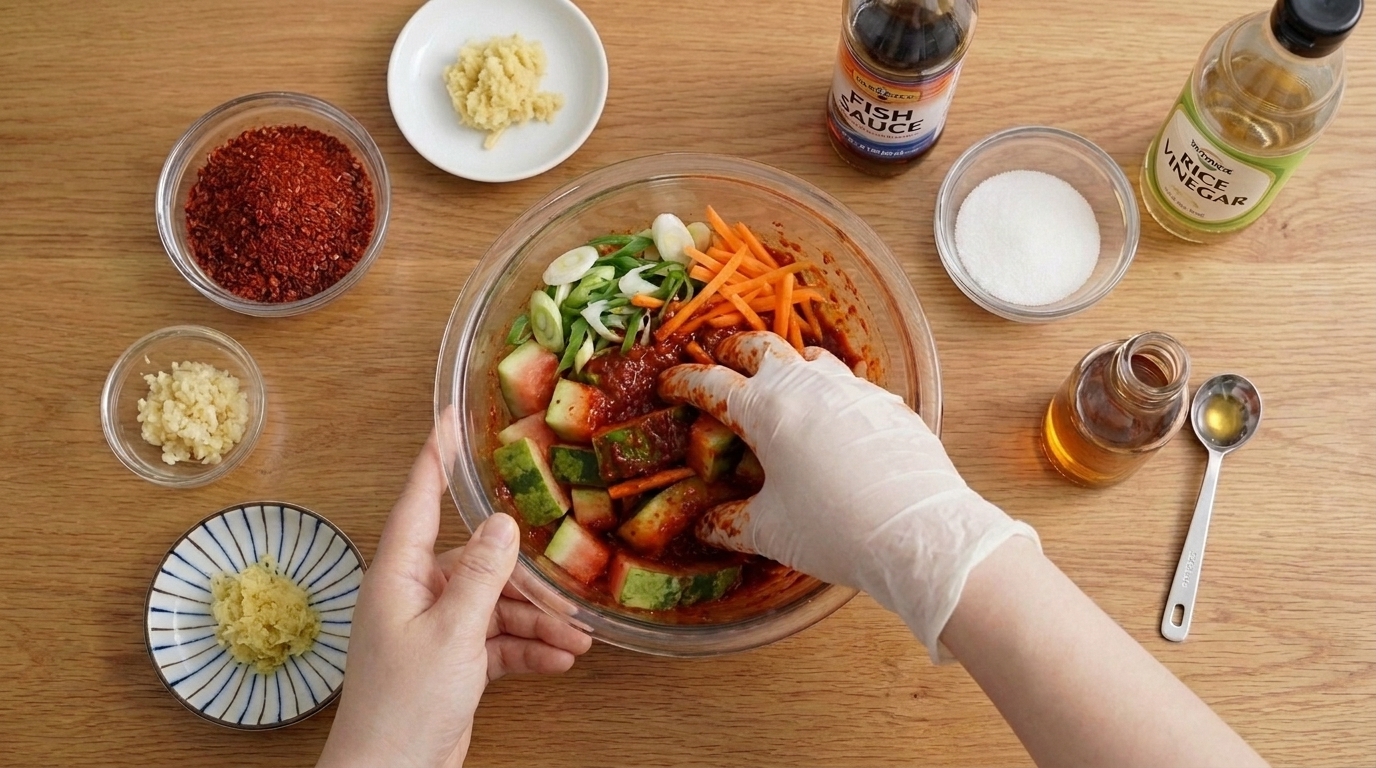
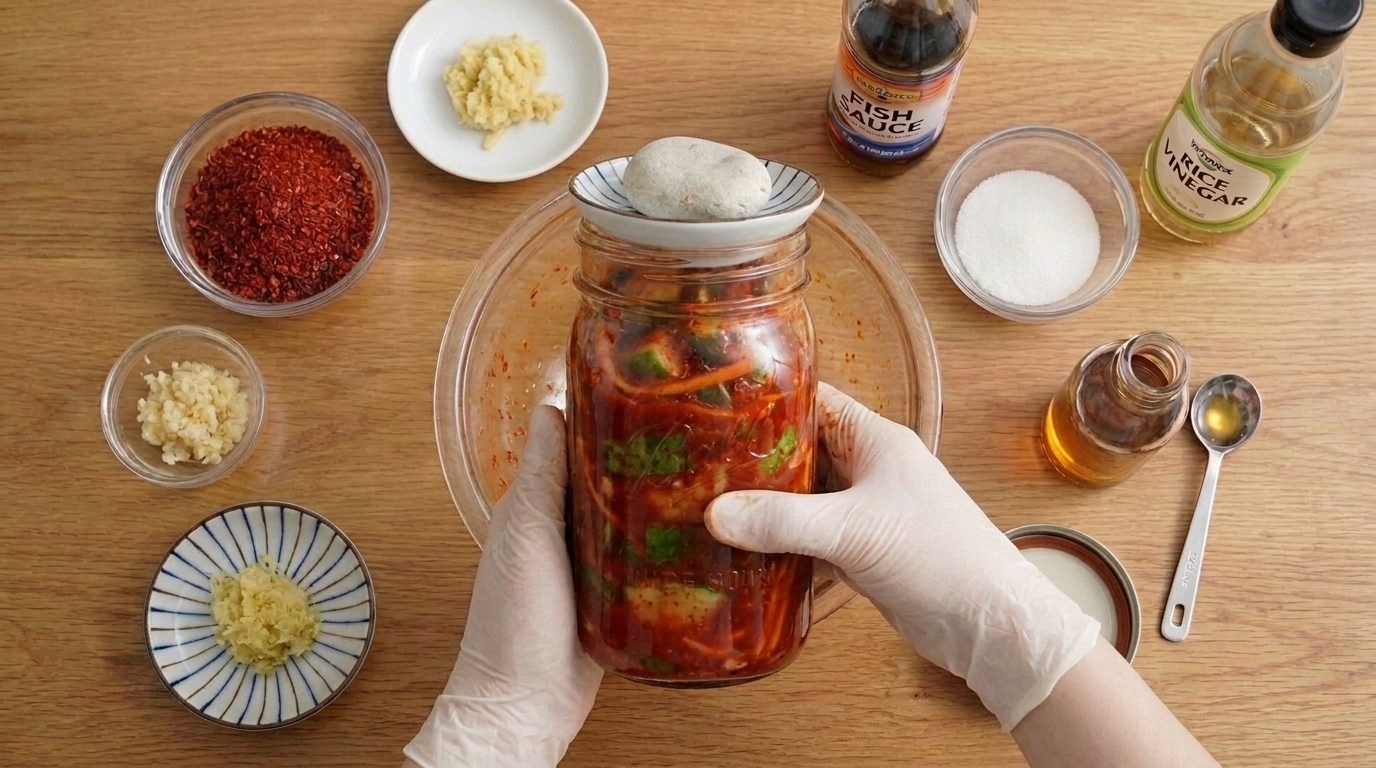
Step 5: Ferment the Kimchi. Transfer the seasoned watermelon rind kimchi into an airtight container or a mason jar . Press down firmly to remove any air pockets. Store the container at room temperature for 1-2 days to allow it to ferment. The fermentation time can vary depending on your desired level of tanginess and the ambient temperature. Taste it daily. Once it reaches your preferred flavor, transfer it to the refrigerator. The kimchi will continue to ferment slowly in the fridge.
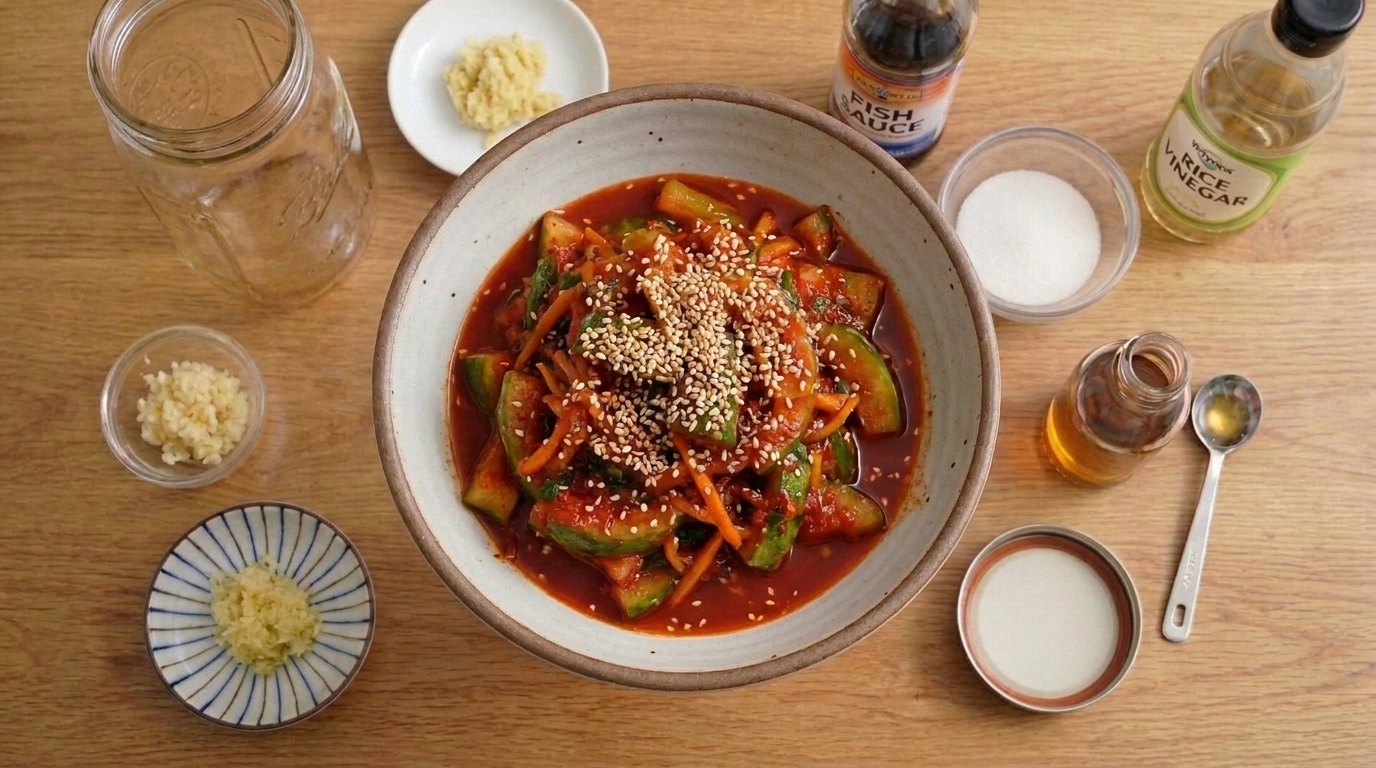
Step 6: Serve and Enjoy. Once chilled, your Watermelon Rind Kimchi is ready to serve! Garnish with toasted sesame seeds. It makes a fantastic refreshing side dish to any Korean meal, barbecue, or even as a crunchy topping for rice bowls. Enjoy the unique texture and bold flavors!
Watermelon Rind Kimchi: The Ultimate Zero-Waste Korean Side Dish You Need to Try
Ingredients
- 1 large watermelon rind (from a 10-12 lb watermelon), about 4-5 cups prepared
- 2 tablespoons coarse sea salt or kosher salt
- 1/4 cup Gochugaru (Korean chili flakes)
- 3-4 cloves garlic, minced
- 1-inch piece fresh ginger, grated
- 2 tablespoons fish sauce (or soy sauce for vegan)
- 1 tablespoon sugar
- 1 tablespoon rice vinegar
- 2 green onions, thinly sliced
- 1 teaspoon toasted sesame seeds
- Optional: 1/2 small carrot, julienned; 1/4 small onion, thinly sliced
Instructions
- Step 1: Prepare the Watermelon Rind. First, wash the watermelon thoroughly. Using a sharp chef’s knife [PRODUCT_AFFILIATE_LINK_1], carefully slice off the dark green outer skin of the rind. You want to remove all the green, leaving only the firm white and pale green part. Cut the prepared rind into bite-sized pieces, about 1-inch squares or thin strips. Place the cut rind into a large mixing bowl [PRODUCT_AFFILIATE_LINK_2].
- Step 2: Salt and Drain the Rind. Sprinkle the coarse salt over the watermelon rind pieces in the bowl. Toss well to ensure all pieces are evenly coated. Let the rind sit for about 30-60 minutes. During this time, the salt will draw out excess moisture from the rind, making it crispier and helping it absorb the kimchi paste flavors better. You’ll notice a pool of liquid at the bottom of the bowl. Drain this liquid thoroughly, then rinse the rind under cold water to remove excess salt. Squeeze gently to remove as much water as possible, then pat dry with paper towels.
- Step 3: Make the Kimchi Paste. In a separate medium bowl, combine the gochugaru, minced garlic, grated ginger, fish sauce (or soy sauce), sugar, and rice vinegar. Mix everything together until it forms a thick, vibrant red paste. If you prefer a less spicy kimchi, you can reduce the amount of gochugaru. For an extra layer of flavor, consider adding a teaspoon of sesame oil to the paste.
- Step 4: Combine Rind and Paste. Add the drained and dried watermelon rind to the bowl with the kimchi paste. Add the sliced green onions and any optional julienned carrots or sliced onions. Using clean hands or gloves, thoroughly mix the rind with the paste, ensuring every piece is evenly coated. This is where the magic happens, as the rind begins to absorb the incredible flavors of the kimchi seasoning.
- Step 5: Ferment the Kimchi. Transfer the seasoned watermelon rind kimchi into an airtight container or a mason jar [PRODUCT_AFFILIATE_LINK_3]. Press down firmly to remove any air pockets. Store the container at room temperature for 1-2 days to allow it to ferment. The fermentation time can vary depending on your desired level of tanginess and the ambient temperature. Taste it daily. Once it reaches your preferred flavor, transfer it to the refrigerator. The kimchi will continue to ferment slowly in the fridge.
- Step 6: Serve and Enjoy. Once chilled, your Watermelon Rind Kimchi is ready to serve! Garnish with toasted sesame seeds. It makes a fantastic refreshing side dish to any Korean meal, barbecue, or even as a crunchy topping for rice bowls. Enjoy the unique texture and bold flavors!
FAQ Section
Can I use any type of watermelon rind?
How long does watermelon rind kimchi last?
Is watermelon rind kimchi very spicy?
Conclusion
Watermelon Rind Kimchi is a culinary revelation, transforming a commonly discarded ingredient into a vibrant, crunchy, and irresistibly flavorful Korean side dish. It’s a testament to the creativity and resourcefulness found in traditional cooking, offering a refreshing and spicy kick that’s perfect for summer. By embracing this zero-waste approach, you’re not only treating your taste buds but also making a conscious choice towards more sustainable eating. So next time you enjoy a watermelon, remember the delicious potential hidden within its rind! For more authentic Korean recipes, explore sources like Kseoulbuzz.com and TheDeliciousLife.com. You can also find variations on GoodFoodAndMore.com and KitchenCC.com.