
Affiliate Disclosure: FoodJot is reader-supported. When you buy through links on our site, we may earn an affiliate commission at no extra cost to you.
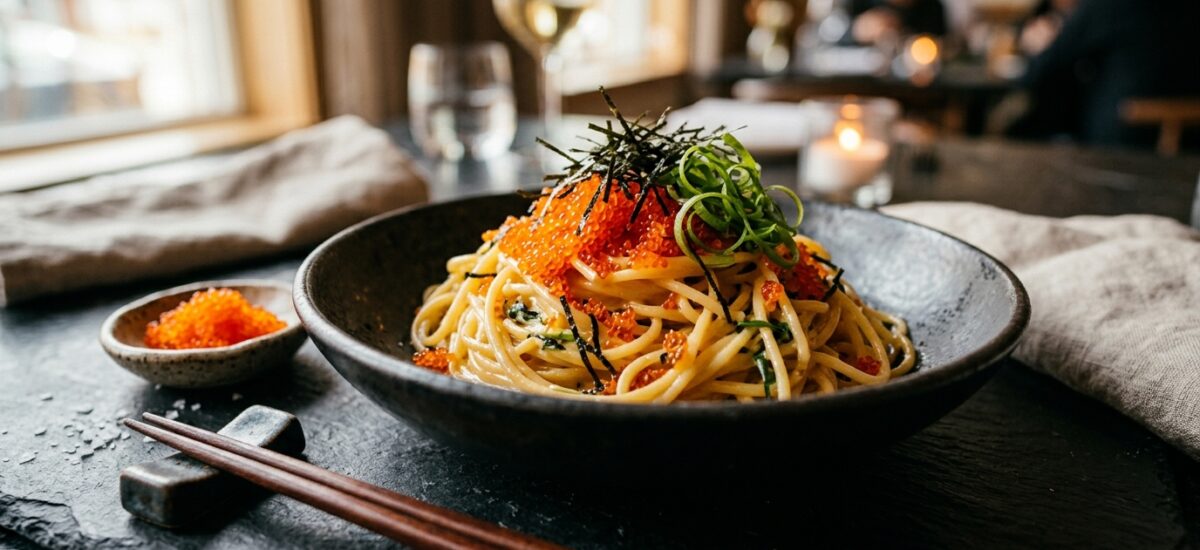
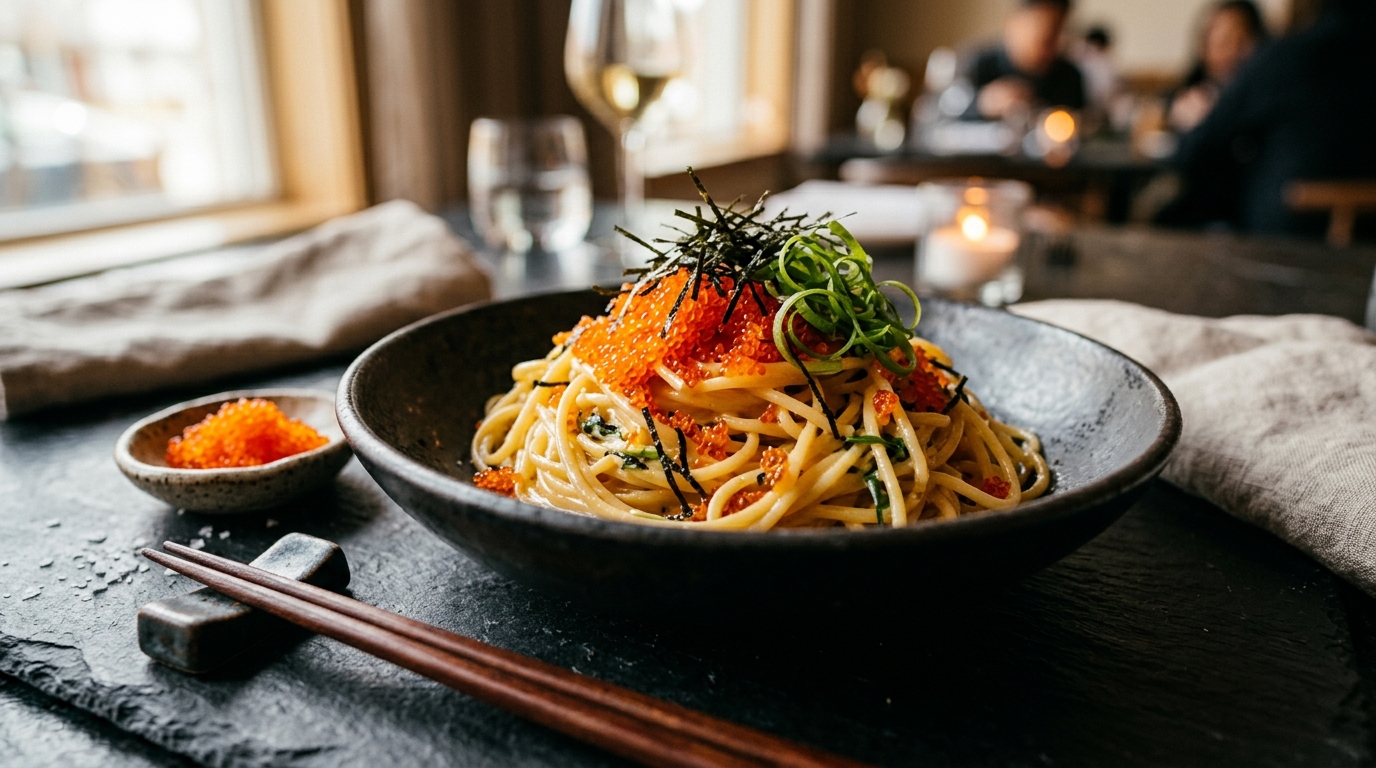
In the vibrant, precision-driven world of Japanese gastronomy, few delicacies deliver the acoustic thrill, luminous aesthetic, and salty sea breeze freshness of Tobiko (とびこ). Known globally as the prized roe of the flying fish (Exocoetidae family), tobiko is cherished by master sushi chefs and contemporary Izakaya cooks alike for its signature tactile sensation: tiny, jewel-like golden-orange spheres measuring barely 0.5 to 0.8 millimeters that burst with an audible, satisfying “pop” between your teeth. Beyond its iconic role crowning California rolls and gunkan maki, tobiko has become the superstar of modern Japanese-Western fusion cuisine (Yoshoku), most famously showcased in Tokyo’s decadent, viral Creamy Tobiko Pasta.
Whether you are learning the art of sushi rolling at home with our guide to Sushi Making Kits for Beginners or looking to elevate everyday pasta into restaurant-quality comfort, understanding tobiko is an essential culinary milestone. Unlike larger salmon roe (ikura) or microscopic capelin roe (masago), authentic tobiko retains its firm, non-mushy snap even when folded into warm sauces. In this master culinary guide, we explore the biology, traditional flavor infusions, and step-by-step cooking technique to create the ultimate Japanese Creamy Tobiko Wafu Pasta right on your home stovetop.
Tobiko vs. Masago vs. Ikura: The Great Roe Comparison
Many diners frequently confuse tobiko with other fish roes commonly served at sushi bars. Understanding their distinct physical traits and culinary characteristics is crucial for shopping and cooking:
| Roe Variety | Fish Species | Egg Diameter | Texture & Pop | Typical Flavor Profile |
|---|---|---|---|---|
| Tobiko (とびこ) | Flying Fish (Cheilopogon agoo) | 0.5 mm – 0.8 mm | Crisp, firm, audible acoustic pop; never mushy | Mildly sweet, briny, clean sea finish with subtle smokiness |
| Masago (まさご) | Capelin (Smelt) | 0.2 mm – 0.4 mm | Soft, delicate, grainier; subdued pop | Subtly bitter, muted brine; often dyed orange to mimic tobiko |
| Ikura (いくら) | Salmon (Chum / Pink) | 5.0 mm – 8.0 mm | Juicy, burst-in-mouth explosion of savory liquid | Rich, fatty, intensely savory umami seasoned in soy and mirin |
| Ebiko (えびこ) | Shrimp Roe | 0.3 mm – 0.5 mm | Tender, soft chew; minimal snap | Sweet, mildly oceanic, subtle prawn sweetness |
The Colorful Spectrum of Tobiko: Natural Infusions Decoded
In its natural state, wild-harvested flying fish roe possesses a translucent, radiant golden-orange hue. However, Japanese culinary artisans have perfected the technique of infusing tobiko with natural botanical ingredients to create a spectrum of stunning colors and complementary flavors:
- Natural Golden-Orange Tobiko: Cured with sea salt, mirin, and light soy sauce; pure, briny, and naturally sweet.
- Green Wasabi Tobiko: Infused with Japanese horseradish (wasabi) extract, delivering a sharp, sinus-clearing herbal pungency that pairs beautifully with fatty tuna and avocado.
- Black Squid Ink Tobiko: Dyed with natural cuttlefish or squid ink, providing an earthy, mineral-rich depth and dramatic visual contrast for pasta and sashimi.
- Red Beet Tobiko: Tinted with natural red beet juice or chili pepper extract for a fiery appearance and earthy sweetness.
- Yellow Yuzu Tobiko: Steeped in aromatic yuzu citrus juice, imparting an electrifying floral tang and zesty acidity.
The Masterclass Recipe: Japanese Creamy Tobiko Wafu Pasta
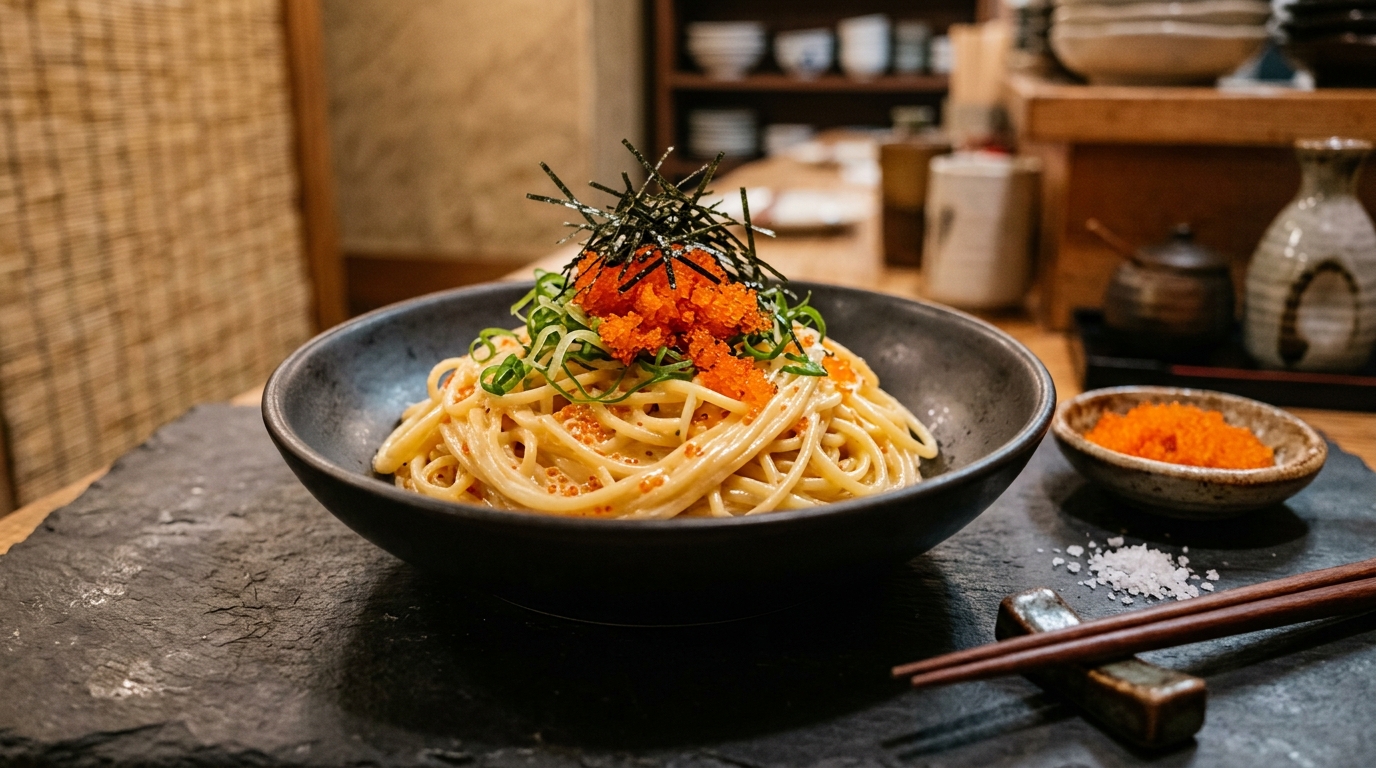
Wafu Pasta (Japanese-style pasta) was invented in Tokyo in the 1950s at the iconic restaurant Kabe no Ana (Hole in the Wall), marrying Italian durum wheat spaghetti with traditional Japanese pantry staples like dashi, shoyu, butter, and seafood roe. In this recipe, the gentle richness of heavy cream and garlic butter forms a velvety emulsion that cradles the pasta, while copious amounts of glowing orange tobiko deliver bursts of oceanic crunch in every bite.
Step 1: Boiling the Pasta to Precise Al Dente
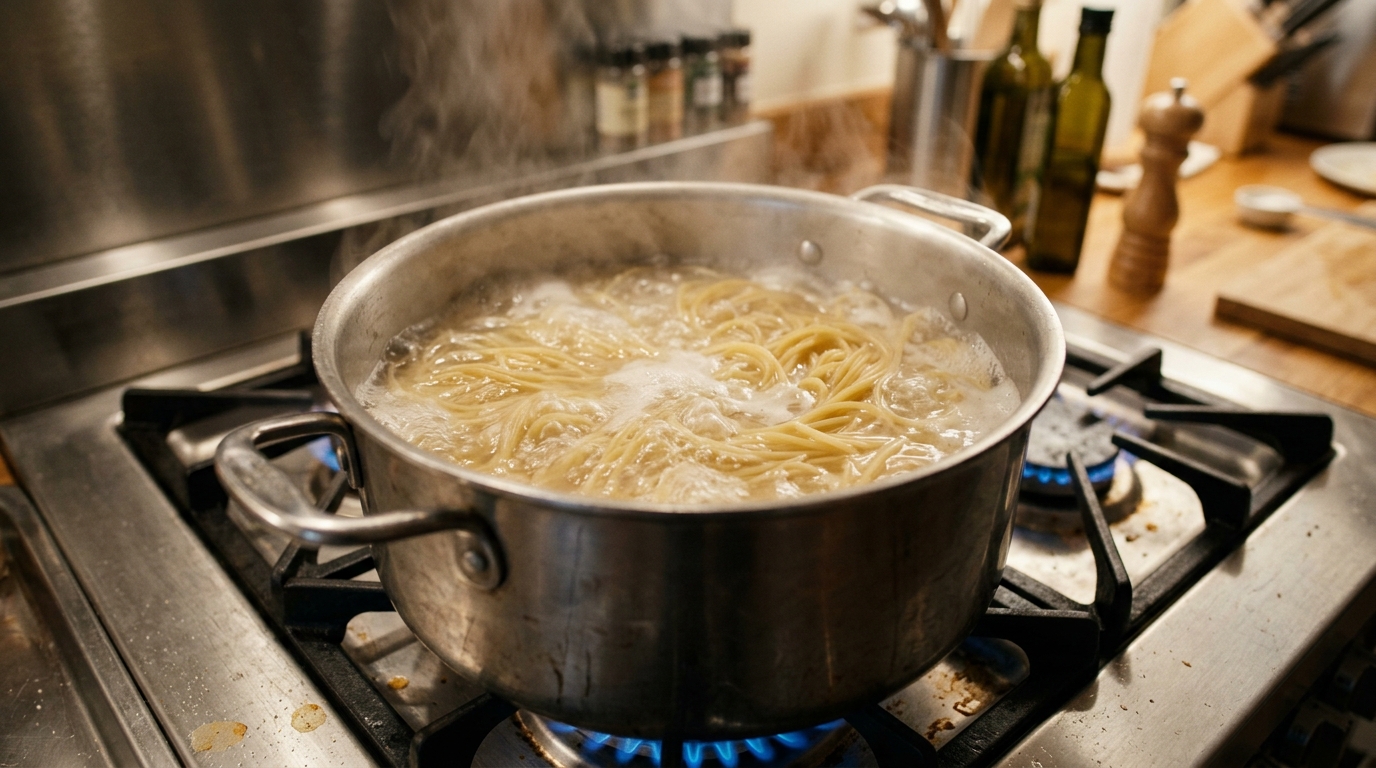
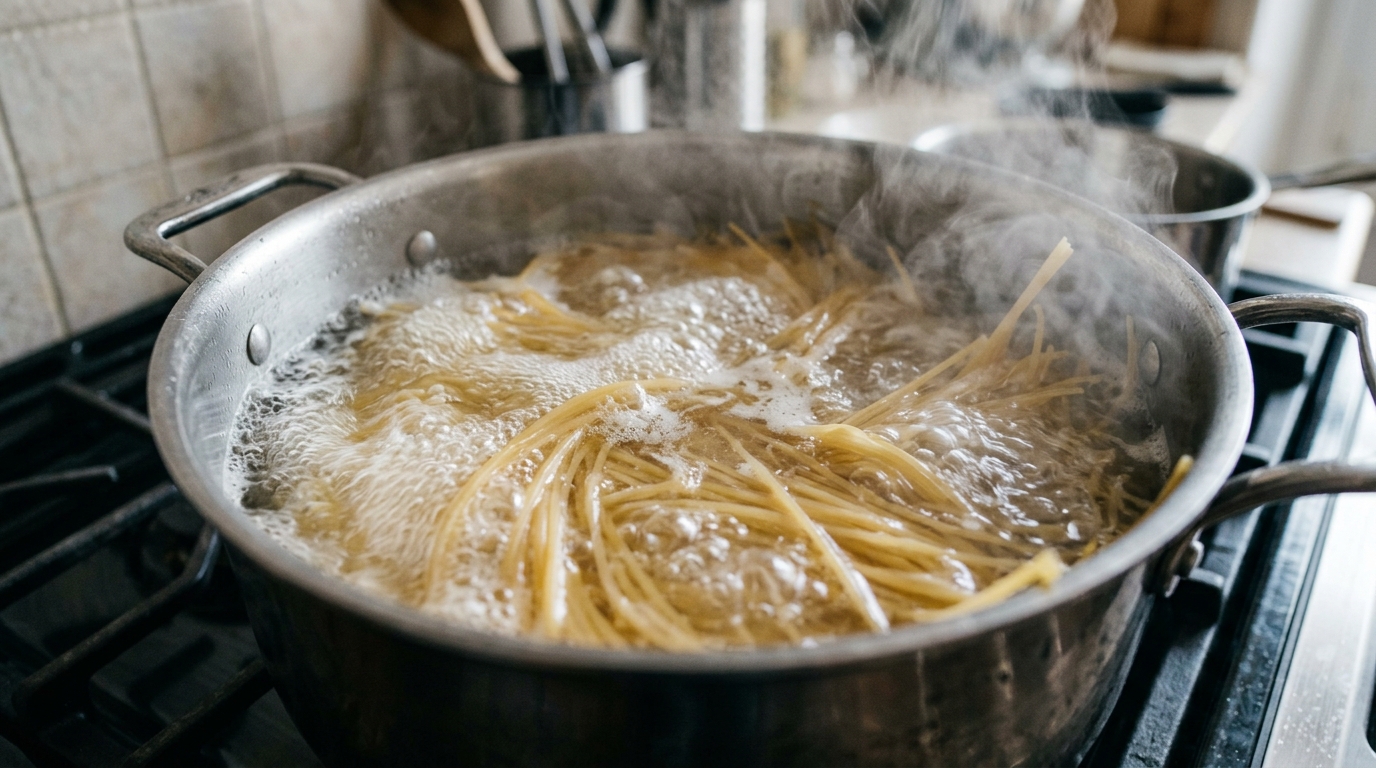
Bring a large 6-quart solid stainless steel stockpot filled with 4 quarts of fresh water to a rapid rolling boil. Add 2 tablespoons of sea salt (the water should taste seasoned like clean sea broth). Drop in 12 ounces of bronze-die Italian spaghetti. Cook uncovered for 8 to 9 minutes, or precisely 1 minute less than package directions. The pasta must retain a firm core bite (al dente) because it will finish cooking directly in the hot skillet sauce. Reserve 1 cup of starchy pasta water before draining.

Step 2: Sautéing the Garlic Butter & Dashi Soy Base
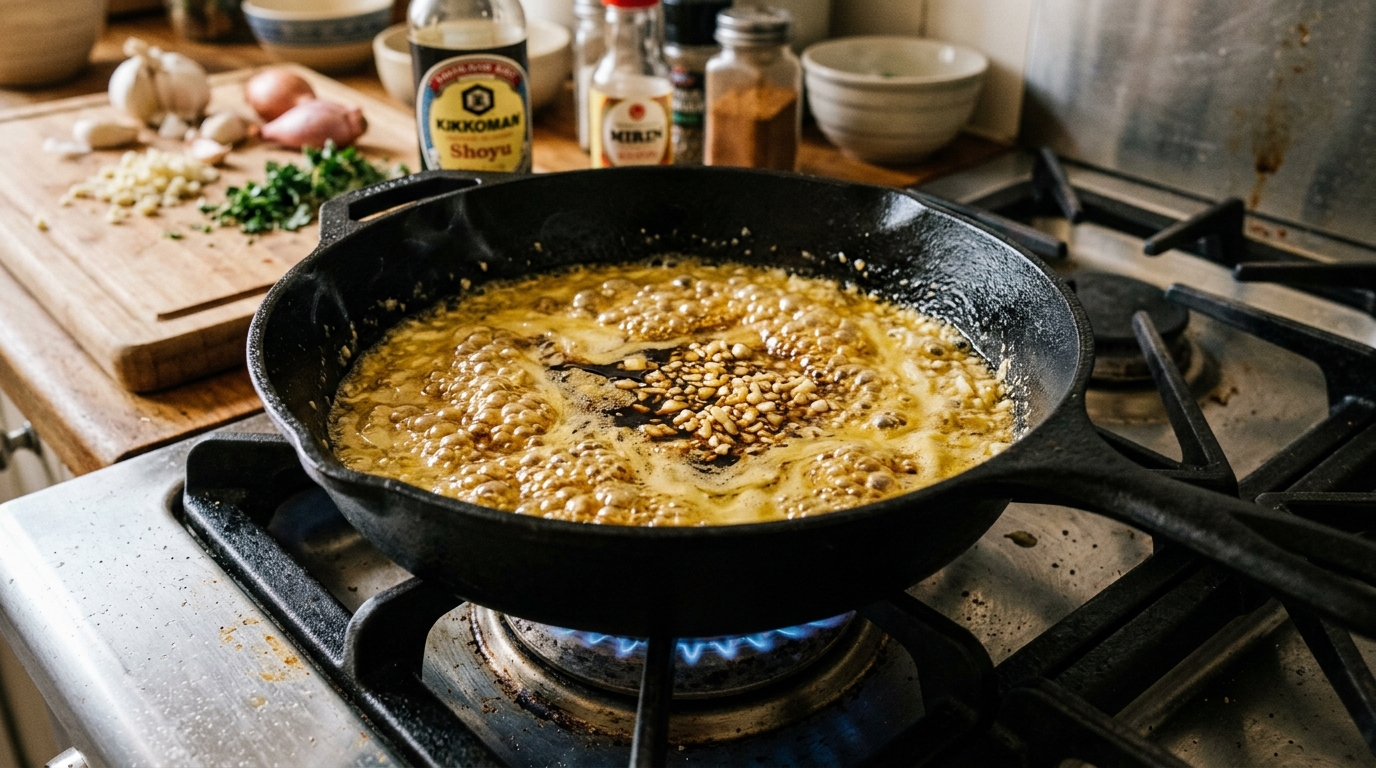
While the pasta boils, place a heavy 10.25-inch cast iron skillet or deep sauté pan over medium-low heat. Melt 3 tablespoons of high-fat unsalted butter. Add 3 cloves of finely minced fresh garlic and sauté gently for 90 seconds until aromatic and pale golden (do not allow the garlic to brown or turn bitter). Splash in 1 tablespoon of Japanese mirin and 1 tablespoon of Japanese shoyu (soy sauce), allowing the liquids to bubble and reduce into a fragrant, glossy glaze.
Step 3: Emulsifying the Cream & Starchy Pasta Water
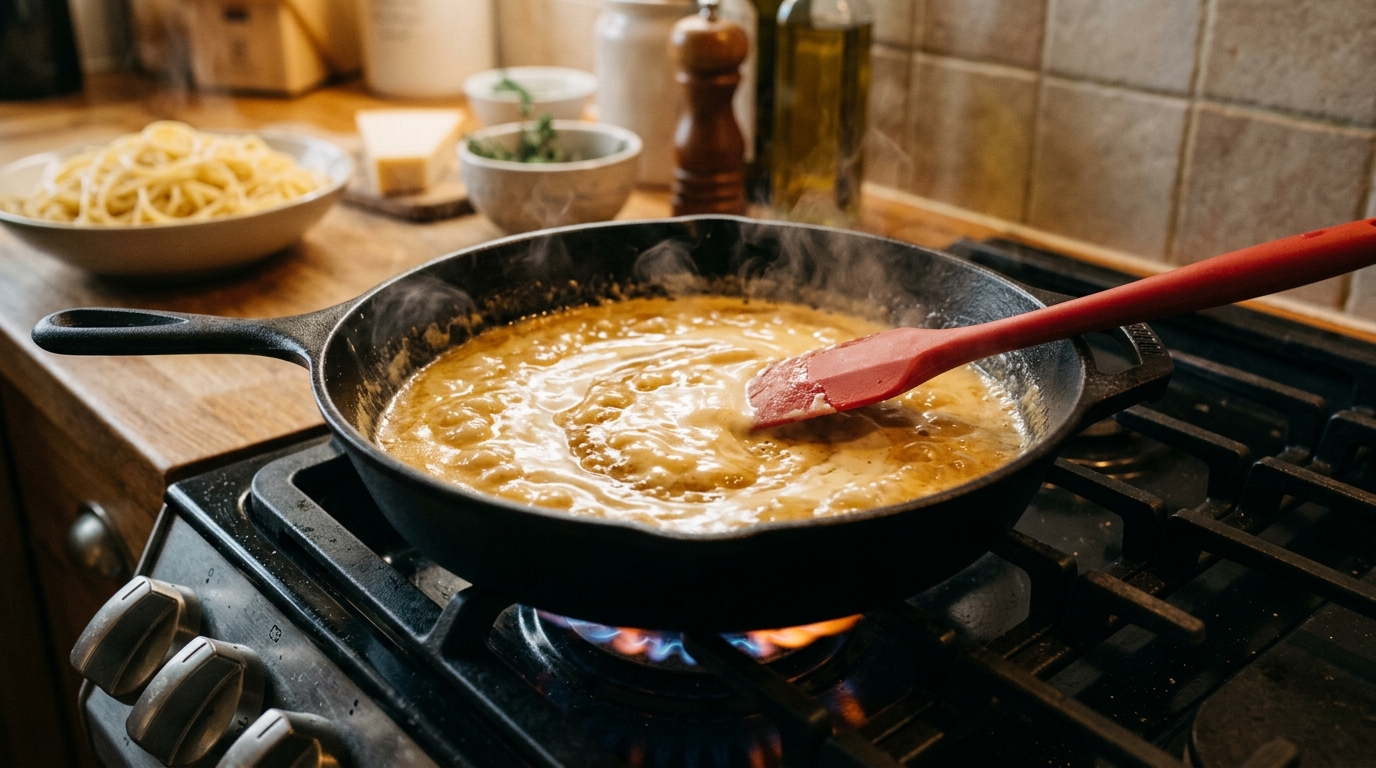
Pour 3/4 cup of heavy whipping cream (or Japanese cooking cream) into the skillet, followed by 1/2 teaspoon of dashi powder (hondashi) and 1/4 cup of the reserved hot starchy pasta cooking water. Whisk continuously with a silicone spatula over medium heat for 2 minutes until the butter and cream meld into a creamy, shimmering emulsion that lightly coats the back of a spoon. Season with a pinch of white pepper.
Step 4: Glazing the Spaghetti in the Skillet
Using pasta tongs, transfer the steaming al dente spaghetti directly from the boiling pot into the bubbling cream sauce in the skillet. Toss and swirl the pasta vigorously for 60 to 90 seconds over low heat. The surface starches of the pasta will bind to the cream emulsion, glazing each strand luxuriously without pooling or separating.
Step 5: The Golden Rule: Folding Tobiko Off-Heat
Crucial Technique: Never cook tobiko over direct heat! Boiling or cooking fish roe causes the delicate outer membrane to rupture and turn chalky white, destroying its coveted crisp snap. Remove the skillet completely from the stovetop burner. Let it rest for 60 seconds so the residual heat cools slightly. Fold in 1/2 cup of chilled fresh orange tobiko, gently distributing the glistening beads throughout the warm pasta until every forkful is speckled with luminous orange pearls.
Step 6: Plating, Garnishing & Serving
Using tongs and a large ladle, twirl portions of creamy tobiko pasta into wide, shallow ceramic pasta bowls. Crown the top of each serving with an extra generous dollop of raw orange tobiko. Scatter finely julienned nori seaweed strips (kizami nori), finely sliced green scallion ribbons, and a subtle grate of fresh lemon zest to brighten the rich cream. Serve immediately while warm and luscious.
Product Spotlight: The Secret to Perfect Emulsion Sauces
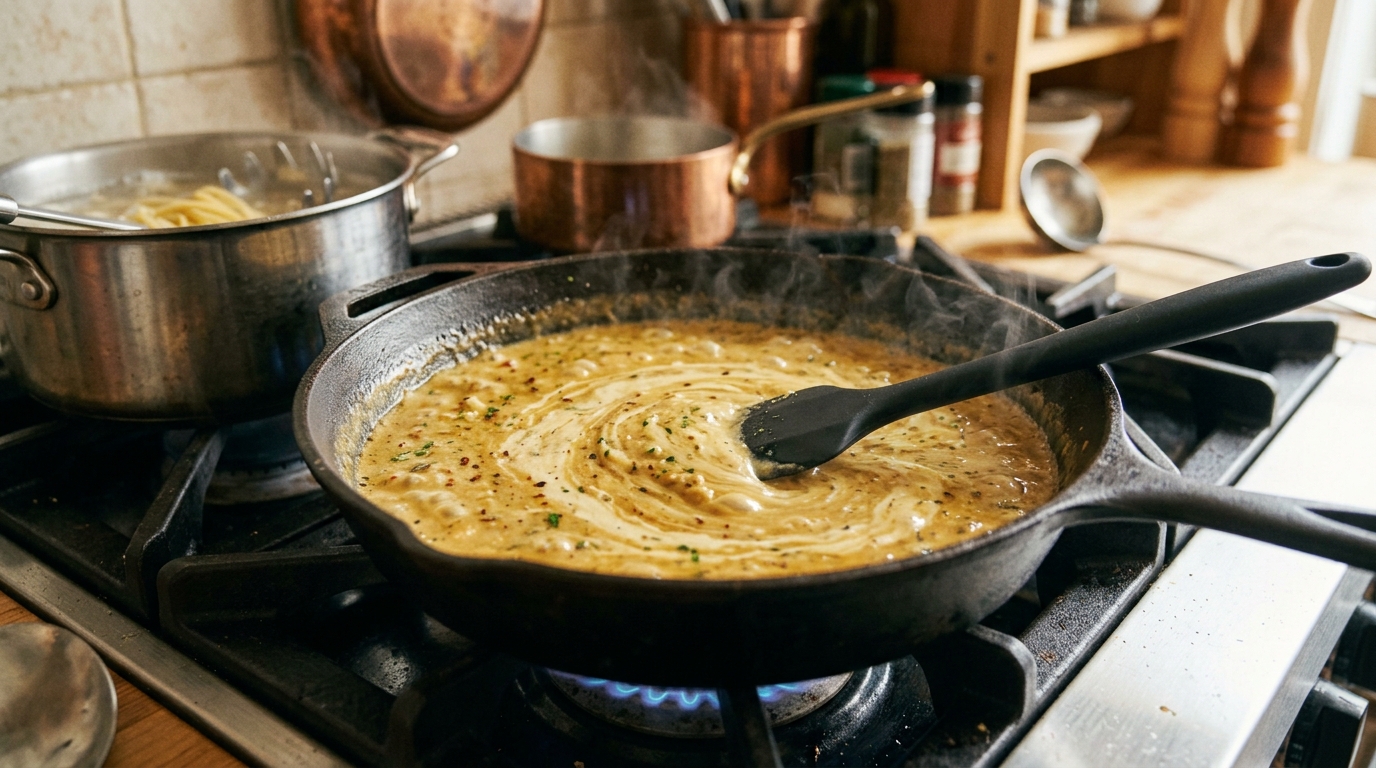
When tossing delicate pasta emulsions like Wafu tobiko cream, lightweight cookware cools down too quickly, causing the butter and cream to break into an oily puddle. A heavy-gauge pre-seasoned cast iron skillet holds residual heat evenly, allowing you to remove the pan from direct fire while maintaining the ideal gentle temperature to fold in raw fish roe without curdling.

Lodge 10.25 Inch Cast Iron Pre-Seasoned Skillet
The workhorse of home cooking. Heavy cast iron retains gentle residual thermal mass, making it the perfect vessel for tossing al dente pasta and folding delicate tobiko sauces without scorching.
Culinary Pairings & Global Niche Exploration
Round out your seafood feast by exploring complementary techniques and comforting pairings across our kitchen network:
- Japanese Home Cooking & Sushi Art: Master your rolling technique with our comprehensive guide to Sushi Making Kits for Beginners to make tobiko gunkan maki at home.
- A Fiery Fusion Twist: If you crave a kick of acid and heat, add a few drops of our 3-ingredient Homemade Tabasco Sauce to cut through the rich cream sauce.
- Hearty Comfort Stews: Balance delicate seafood pasta nights with rustic weekend classics like Latin American Sopa de Mondongo or France’s beloved Lyon-Style Fried Tripe.
- Decadent Sweet Endings: After savoring savory umami pasta, indulge your sweet tooth with crisp Homemade Freeze-Dried Candy or a thick, frosty Wendy’s Frosty Copycat.
Japanese Creamy Tobiko Wafu Pasta (Flying Fish Roe Spaghetti)
Ingredients
- 12 oz (340g) Italian spaghetti (bronze-cut preferred)
- 2 tbsp sea salt (for pasta water)
- 3 tbsp unsalted high-fat butter
- 3 garlic cloves, finely minced
- 1 tbsp Japanese mirin
- 1 tbsp Japanese shoyu (soy sauce)
- 3/4 cup heavy whipping cream
- 1/2 tsp instant dashi powder (hondashi)
- 1/2 cup fresh orange tobiko (flying fish roe), plus 2 tbsp for garnish
- 1/4 cup reserved starchy pasta cooking water
- Pinch of ground white pepper
- 2 sheets toasted nori seaweed, cut into fine threads (kizami nori)
- 2 scallions (green onions), thinly sliced into ribbons
- 1/2 lemon, for fresh zest garnish
Instructions
- Boil Spaghetti: Bring 4 quarts of water and 2 tbsp salt to a rolling boil in a solid stainless steel stockpot. Cook spaghetti for 8 minutes (1 minute less than package directions) until firm al dente. Reserve 1 cup of starchy pasta water, then drain.
- Sauté Garlic Butter: In a heavy 10-inch skillet over medium-low heat, melt butter. Add minced garlic and sauté for 90 seconds until fragrant and pale golden. Stir in mirin and soy sauce; cook for 1 minute until bubbling.
- Make Cream Emulsion: Pour heavy cream, dashi powder, and 1/4 cup reserved pasta water into the skillet. Whisk gently over medium heat for 2 minutes until a silky, shimmering sauce forms. Season with a pinch of white pepper.
- Glaze Spaghetti: Transfer the drained hot spaghetti directly into the skillet. Toss vigorously with pasta tongs for 1 minute so the emulsion clings tightly to every strand.
- Fold in Tobiko Off-Heat: Remove the skillet completely from heat and let rest for 60 seconds. Gently fold in 1/2 cup of chilled orange tobiko until evenly speckled throughout the warm pasta without bursting the delicate eggs.
- Garnish & Serve: Twirl pasta into shallow bowls. Crown with an extra spoonful of fresh tobiko, shredded nori seaweed, scallion ribbons, and fresh lemon zest. Serve immediately.
🥢 Explore More Japanese Fusion & Seafood Delights
Love the burst of fresh tobiko? Explore these companion recipes and kitchen tools:
- 📖 Best Sushi Making Kits for Beginners (2026 Tested Guide) — Roll restaurant-grade sushi with flying fish roe at home with beginner-friendly mats and bazookas.
- 📖 Best Kitchen Knife Sets for Precision Slicing — Top Japanese santoku blades for delicate seafood prep and fine garnishes.