
Affiliate Disclosure: FoodJot is reader-supported. When you buy through links on our site, we may earn an affiliate commission at no extra cost to you.
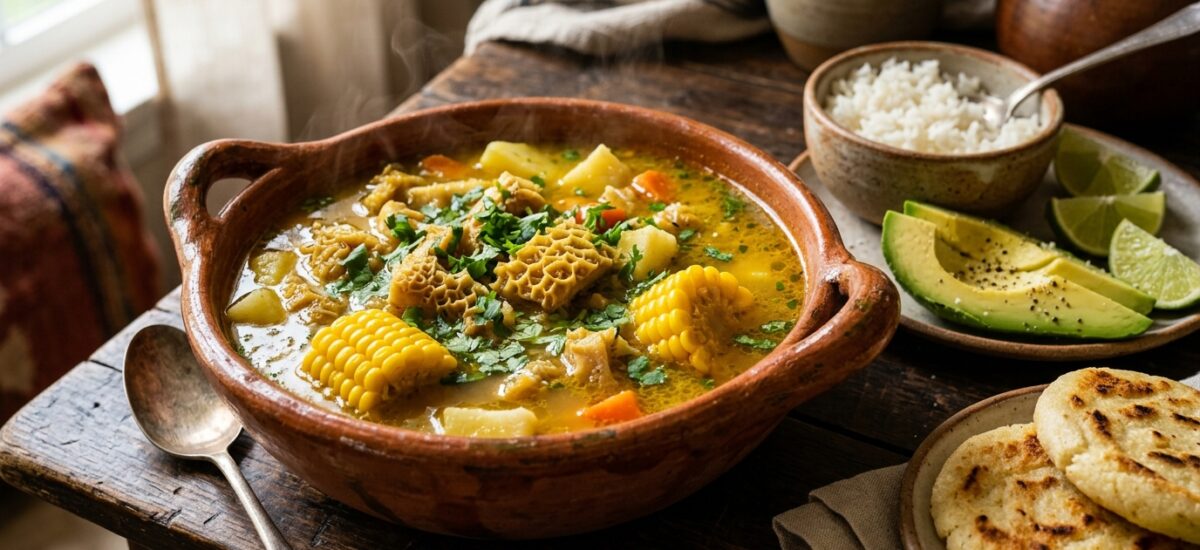
Few dishes in Latin American culinary heritage command the communal reverence, deep regional pride, and soul-warming comfort of Sopa de Mondongo. From the mountain villages of the Colombian Andes (where it is served alongside white rice and sweet plantains) to the sun-drenched coastal kitchens of Venezuela, Puerto Rico, and the Dominican Republic, this iconic tripe and vegetable stew represents the pinnacle of rustic slow cooking. Simmered until tender beef tripe dissolves into a velvety collagen-rich broth punctuated by sweet rounds of yellow corn, buttery chunks of yuca, and vibrant aromatics, Mondongo is more than a soup—it is a weekend celebration of heritage and patience.
For cooks unfamiliar with organ meats, preparing tripe can feel intimidating. Yet, much like the acclaimed French bistro tradition of Lyon-Style Fried Tripe (Tablier de Sapeur), the secret to exquisite tripe lies entirely in proper technique: rigorous citrus cleaning, parboiling with aromatics, and a gentle slow braise. Once mastered, honeycomb tripe becomes wonderfully tender, absorbing the vibrant flavors of cumin, sweet ají dulce peppers, and golden achiote oil. To cut through the luscious richness at the table, a generous splash of homemade fermented Tabasco Sauce or fresh lime juice brings every single spoonful alive.

Anatomy of an Authentic Sopa de Mondongo: The Core Pillars
While every Latin grandmother maintains her own guarded variation, traditional Colombian and Venezuelan Mondongo relies on five quintessential components that harmonize texture, sweetness, and depth:
| Ingredient Layer | Traditional Choice | Culinary Role | Texture & Flavor Impact |
|---|---|---|---|
| Beef Tripe (Mondongo) | Honeycomb Tripe (Reticulum) | Primary protein and braising foundation | Tender, melt-in-the-mouth chew; releases natural collagen body into the broth. |
| Citrus Cleaning Agent | Fresh Key Limes & Coarse Salt | Deodorizes and purifies the tripe | Removes gamey notes, clarifies meat fibers, and prepares surface for seasoning. |
| Root Vegetables | Yuca (Cassava), Potatoes, Carrots | Starchy thickening and earthen sweetness | Naturally thickens the broth while providing hearty, comforting substance. |
| Sweet Corn (Mazorca) | Yellow Sweet Corn on the Cob Wheels | Sweet counterpoint to savory broth | Juicy pop of natural sugar that balances the deep meat and cumin flavors. |
| The Sofrito (Hogao) | Scallions, Garlic, Tomato, Achiote, Cumin | The aromatic heart and soul | Lends the signature glowing golden-amber hue and fragrant Latin base note. |
The Food Science of Cooking Tripe: Tenderizing & Collagen Conversion
Beef tripe is the edible lining of a cow’s stomach chambers. The most prized cut for Sopa de Mondongo is honeycomb tripe (from the second stomach, or reticulum) due to its delicate pocketed structure that holds rich broth in every crevice:
1. Why Citrus Soaking Works: Raw tripe contains residual surface proteins and natural organic compounds that can produce a distinct, pungent aroma during cooking. Soaking the washed tripe in an acidic solution of fresh lime juice, white vinegar, and cold water lowers the surface pH, breaks down surface volatile compounds, and firms the outer muscle fibers, resulting in clean, fresh-tasting broth.
2. Two-Stage Thermal Processing: Tripe consists largely of dense, interwoven collagen fibrils. If simmered rapidly at a roaring boil, the fibers contract violently, yielding a rubbery, unpleasant texture. Instead, authentic Mondongo utilizes a two-stage process: first, a 20-minute aromatic parboil with onions, garlic, and bay leaves to extract any remaining cloudiness (this blanching water is discarded). Second, a prolonged, gentle simmer at 185°F to 195°F (85°C–90°C) for 2 to 2.5 hours. At this temperature, tough collagen steadily hydrolyzes into rich gelatin, transforming the meat into silken, tender morsels.
Step-by-Step Culinary Guide: Mastering Sopa de Mondongo at Home
Step 1: The Citrus Cleaning & Deodorizing Soak
Place your raw honeycomb beef tripe into a large prep bowl or clean sink basin under cold running water. Rinse thoroughly, trimming away any excess exterior fat deposits with a sharp paring knife. Rub the tripe vigorously on all sides with halved fresh limes and coarse kosher salt. Cover with cold water, squeeze in the juice of 3 whole limes, and let rest for 30 minutes. Rinse thoroughly in cold water.
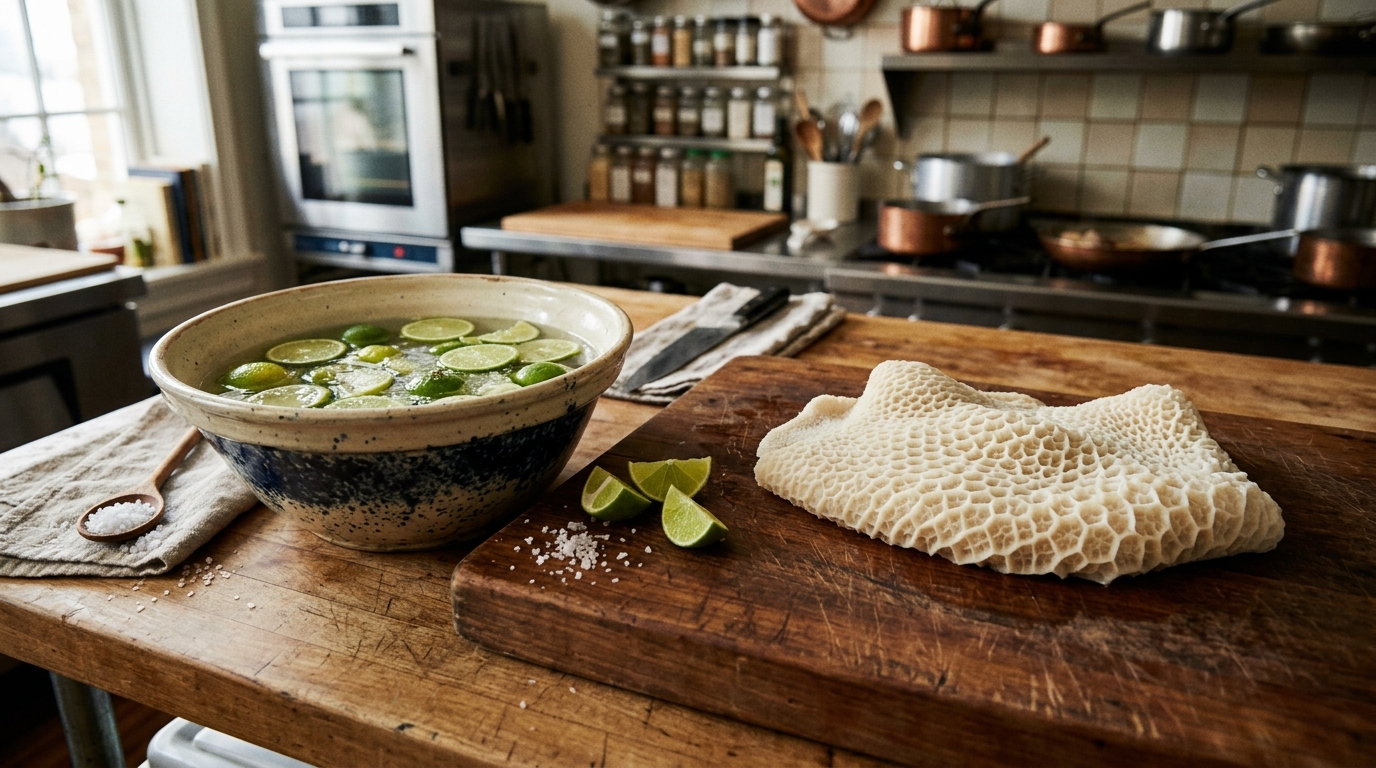
Step 2: Parboiling with Aromatics (Blanching Stage)
Transfer the rinsed tripe into a heavy solid stainless steel stockpot. Submerge in fresh cold water and add 1 halved white onion, 5 crushed garlic cloves, 3 dried bay leaves, and 1 tablespoon of salt. Bring to a rapid rolling boil over high heat, skimming any foam that rises to the surface. Boil vigorously for 20 minutes. Drain completely in a colander, discarding the blanching liquid and boiled aromatics. Rinse the parboiled tripe under warm water.
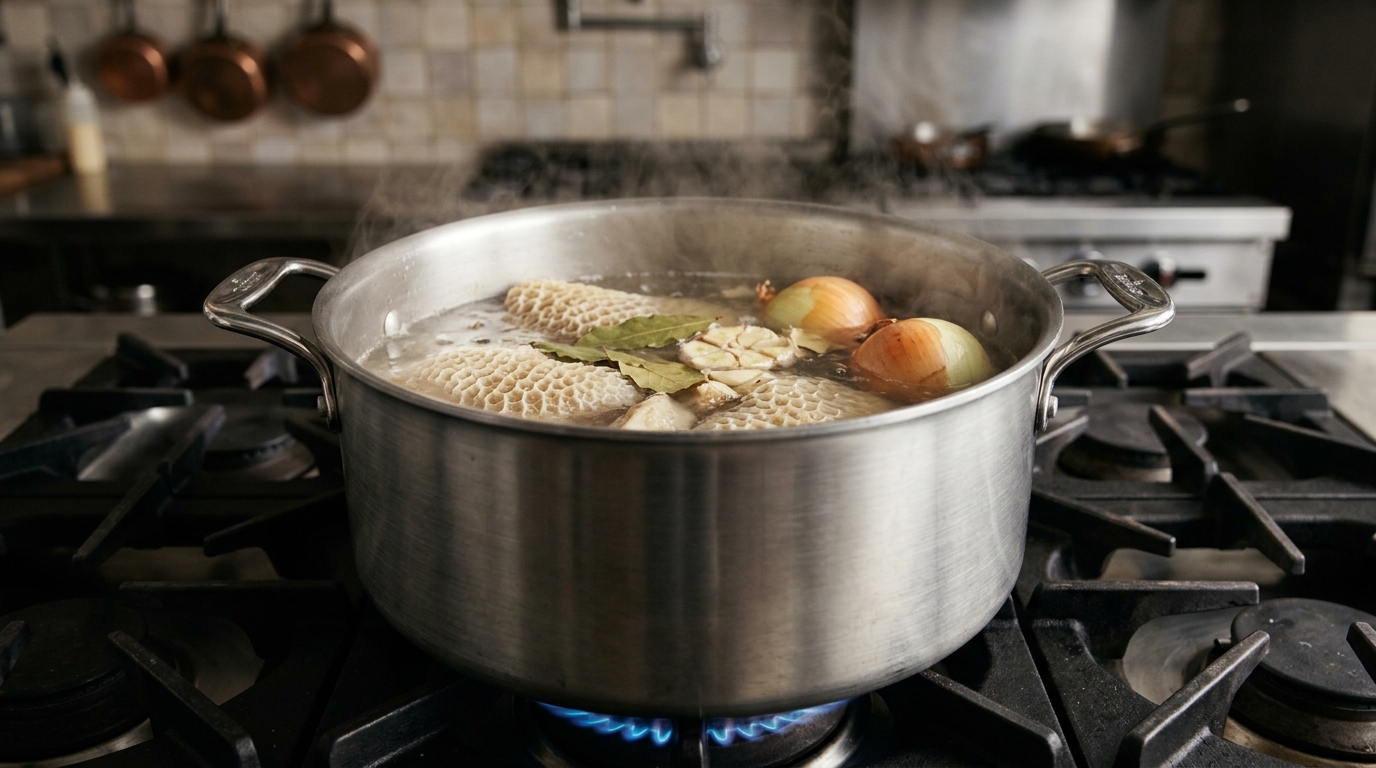
Step 3: Dicing the Tripe & Prepping Root Vegetables
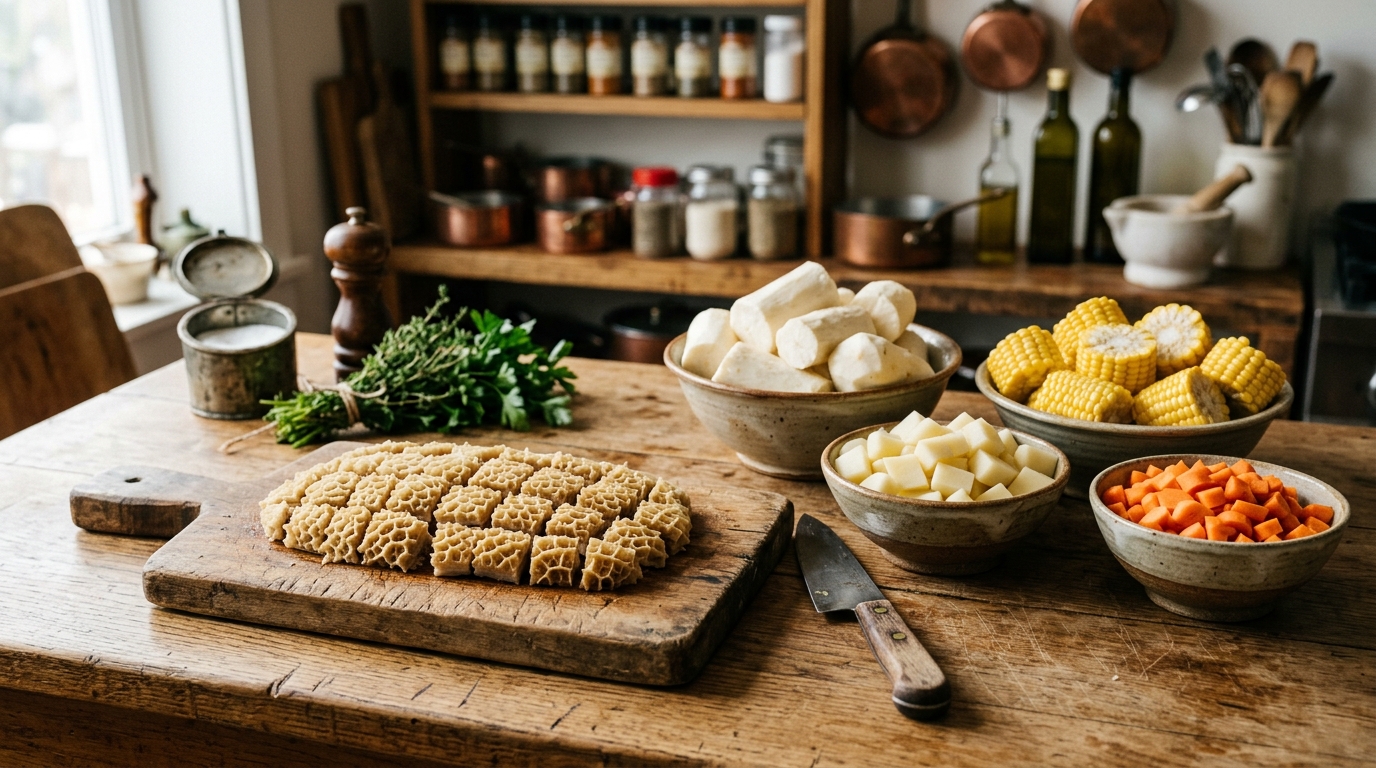
On a sturdy cutting board, cut the blanched tripe into uniform bite-sized 1-inch squares. Having consistent squares guarantees even tenderness and an enjoyable mouthfeel in every spoonful. Peel your fresh yuca root, removing the fibrous woody outer bark and inner core stem, and cut into 1.5-inch chunks. Cut the ears of fresh sweet corn into 1.5-inch round wheels (mazorcas), and dice your russet potatoes and carrots.
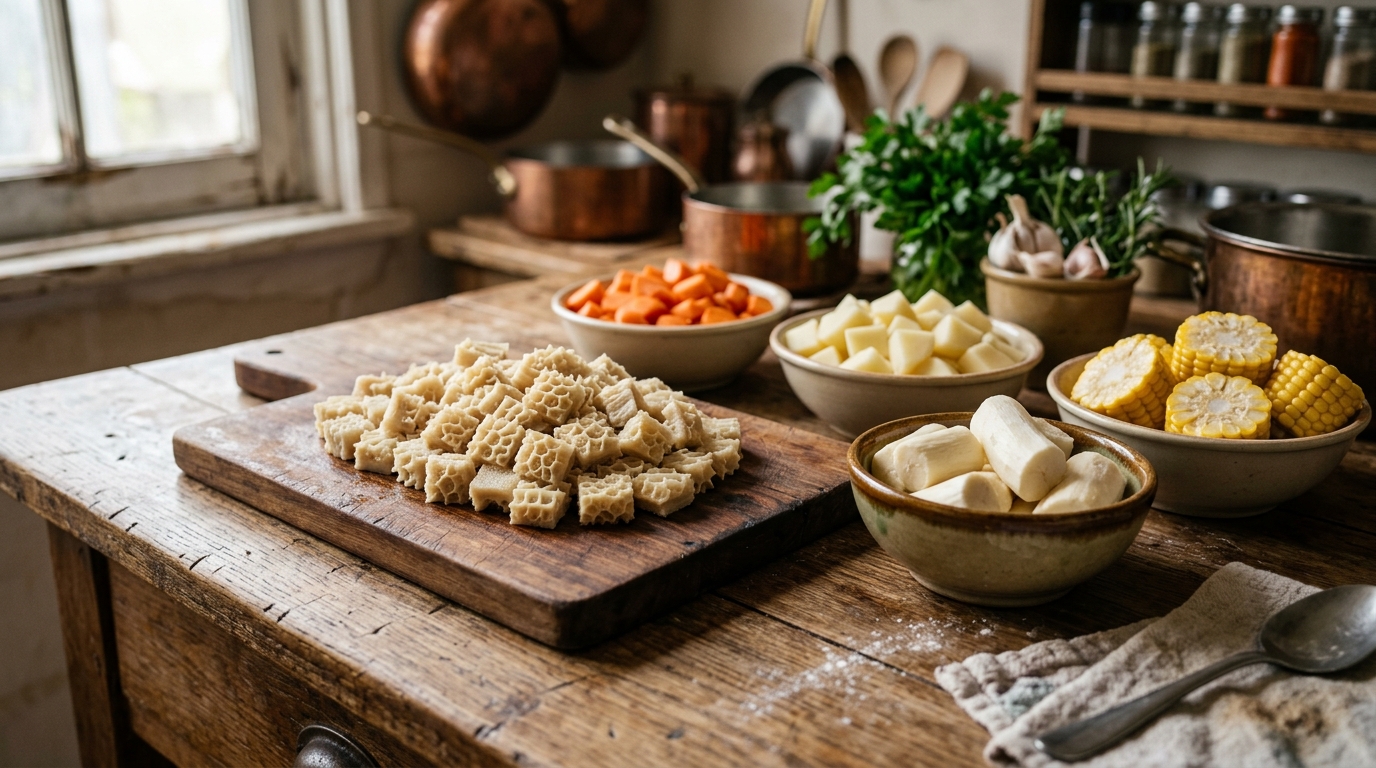
Step 4: Sautéing the Golden Sofrito (Hogao Base)
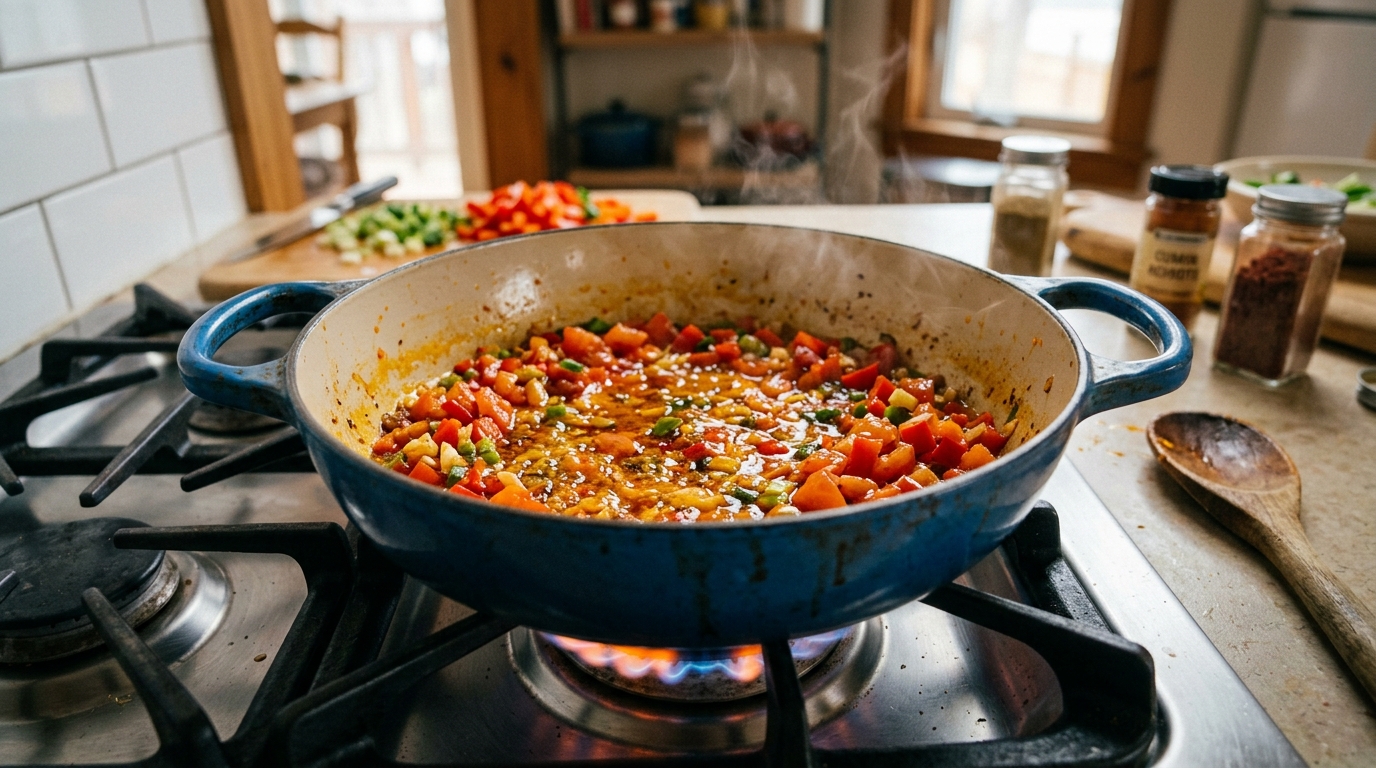
In a heavy 6-quart enameled cast iron Dutch oven, heat 2 tablespoons of achiote-infused oil (or olive oil with 1/2 teaspoon annatto powder) over medium heat. Add chopped scallions, diced yellow onion, minced red bell pepper, and 4 cloves of minced garlic. Sauté for 6 to 8 minutes until soft and fragrant. Stir in ground cumin, coriander, ground black pepper, and diced ripe plum tomatoes. Cook down until a rich, shimmering paste forms.
Step 5: The Slow Braise: Simmering Tripe & Sweet Corn
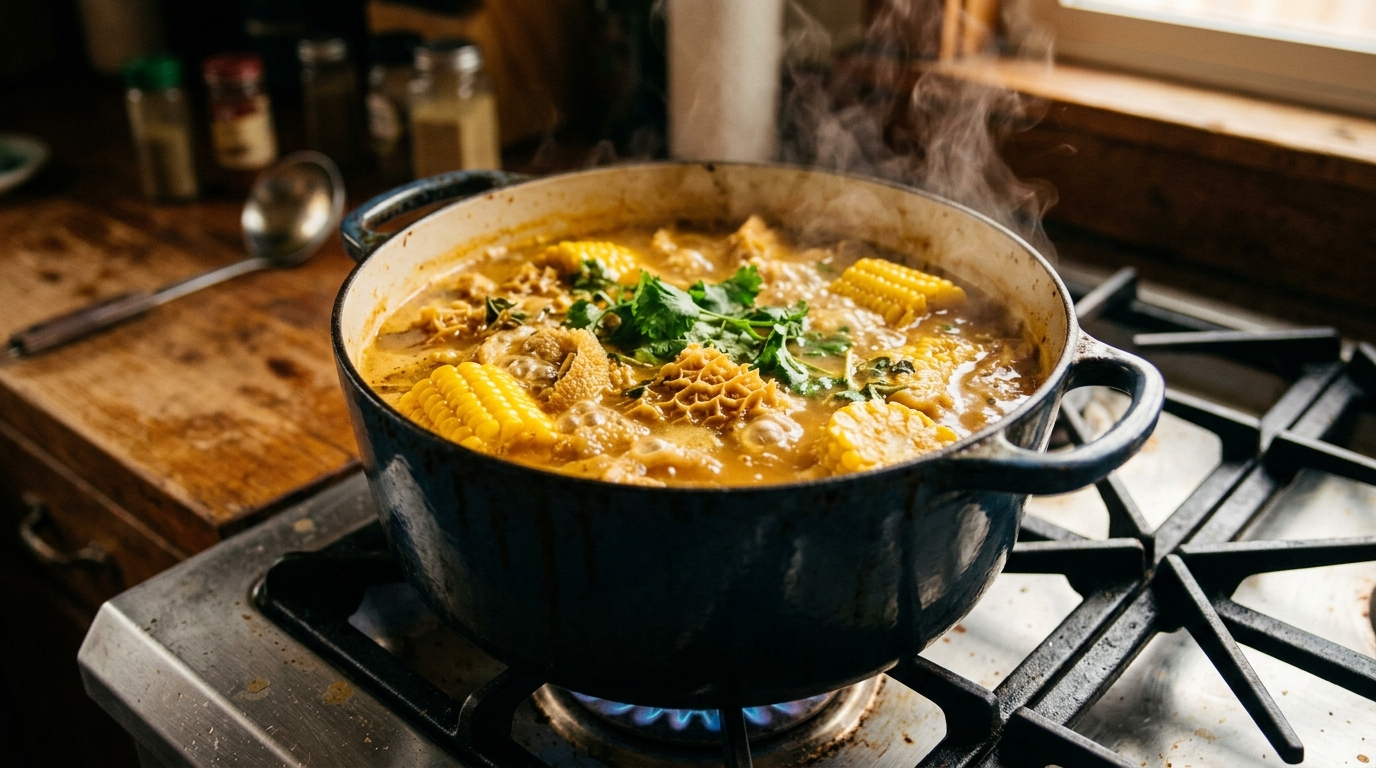
Add the diced tripe squares into the Dutch oven with the sofrito. Pour in 8 cups of rich beef bone broth (or filtered water with beef stock base). Add the sweet yellow corn wheels and a fresh bouquet garni of cilantro sprigs. Bring to a gentle boil, then immediately reduce the heat to low, cover with the heavy lid, and let simmer undisturbed for 1.5 to 2 hours until the tripe is yielding and tender to the bite.
Step 6: Incorporating Yuca, Potatoes & Plantains
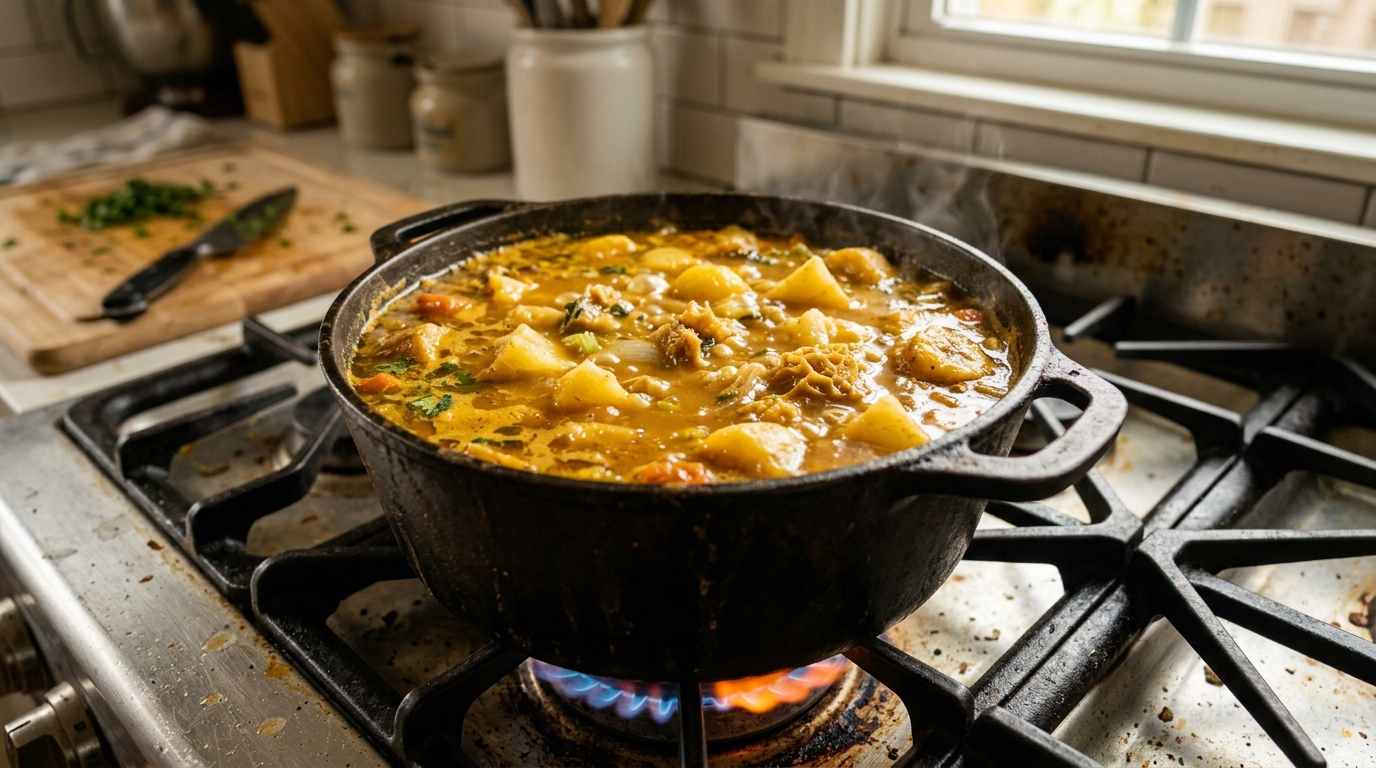
Once the tripe is tender, gently drop in the diced yuca chunks, carrots, potatoes, and optional diced semi-ripe plantain. Stir gently to integrate. Simmer uncovered over medium-low heat for an additional 25 to 30 minutes until the yuca is translucent and fork-tender. The starch released by the yuca and potatoes will naturally thicken the soup into a velvety, satisfying stew. Taste and season with kosher salt and fresh cracked pepper.
Step 7: Traditional Service, Garnishes & Accompaniments
Ladle generous portions of piping-hot Sopa de Mondongo into traditional heavy earthenware or ceramic bowls, ensuring each guest receives generous pieces of tripe, a wheel of sweet corn, and tender yuca chunks. Scatter fresh chopped cilantro over the top. Serve immediately accompanied by sliced Hass avocados sprinkled with flaky salt, fresh lime wedges for squeezing, steamed white rice, and warm, griddled corn arepas or crispy fried plantains.
Equipment Spotlight: The Secret to Even Slow Simmering
Because beef tripe demands hours of steady, gentle braising without scorching delicate root vegetables, cooking in lightweight aluminum pots often leads to uneven heat distribution and burnt starch on the bottom. A heavy-gauge enameled cast iron Dutch oven distributes radiant thermal mass evenly across the entire base and sidewalls, locking in steam and collagen moisture effortlessly.
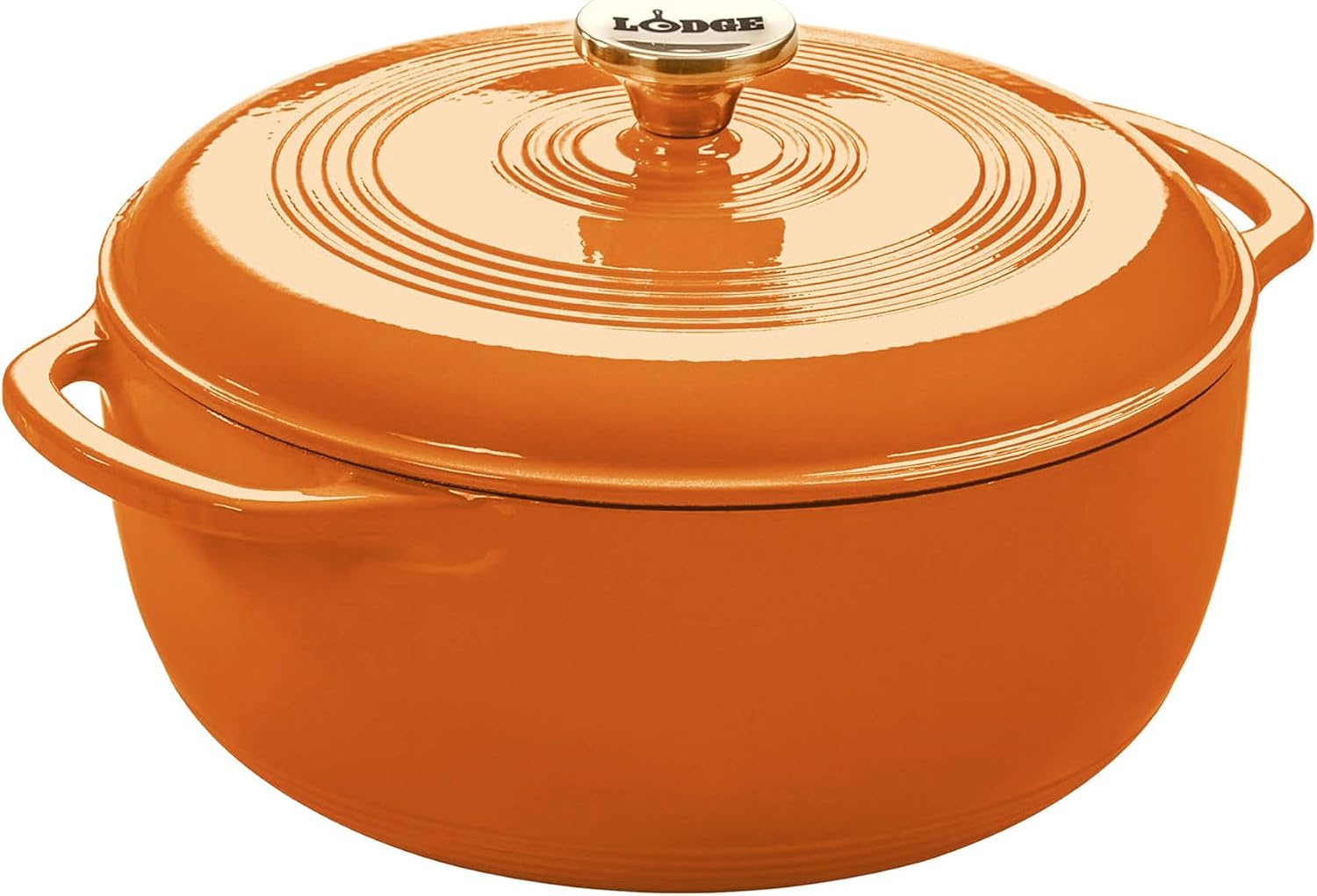
Lodge 6-Qt Enameled Cast Iron Dutch Oven
The ultimate vessel for braising Sopa de Mondongo. Cast iron core retains steady simmer temperatures for hours, while smooth porcelain enamel interior resists acidic tomatoes and limes without reacting.
Pairing Ideas & Latin American Feast Complement
To turn your Sopa de Mondongo into an unforgettable weekend banquet, consider pairing it with complementary recipes from our kitchen repertoire:
- Fiery Table Condiment: No bowl of Mondongo is complete without acidic heat. A few dashes of our slow-fermented Homemade Tabasco Sauce cuts right through the gelatinous broth.
- The Global Tripe Exploration: If you adore offal traditions, explore Europe’s most revered rendition—the crispy, pan-fried Lyon-Style Fried Tripe served with rich sauce gribiche.
- Savory Crowd Pleasers: Cooking for family and friends? Pair your Latin stew with crunchy favorites like Popeyes Spicy Chicken Sandwich or iconic Dave’s Hot Chicken Tenders for the ultimate contrast.
- Sweet Desserts to Finish: Balance the robust spices of Mondongo with a cool, nostalgic treat like our 3-ingredient Wendy’s Frosty Copycat or crunchy Homemade Freeze-Dried Candy!
Sopa de Mondongo – Latin American Tripe Soup with Corn
Ingredients
- 2 lbs (900g) fresh honeycomb beef tripe, rinsed
- 3 whole fresh limes, halved (for citrus soak)
- 2 tbsp coarse kosher salt
- 1 medium white onion, halved
- 5 garlic cloves, smashed
- 3 dried bay leaves
- 2 tbsp achiote oil (or olive oil with 1/2 tsp annatto powder)
- 1 cup scallions (green onions), finely chopped
- 1 medium yellow onion, finely diced
- 1 medium red bell pepper, finely chopped
- 4 garlic cloves, minced
- 2 medium ripe plum tomatoes, finely diced
- 1 1/2 tsp ground cumin
- 1 tsp ground coriander
- 1/2 tsp dried Mexican oregano
- 8 cups rich beef bone broth (or filtered water)
- 2 ears fresh sweet yellow corn, cut into 1.5-inch wheels (mazorcas)
- 1 lb fresh yuca (cassava), peeled, core removed, cut into 1.5-inch chunks
- 2 medium russet potatoes, peeled and cut into 1-inch cubes
- 2 medium carrots, sliced into 1/2-inch rounds
- 1 semi-ripe plantain, sliced into rounds (optional, for sweet depth)
- 1/2 cup fresh cilantro leaves, chopped
- Kosher salt and freshly cracked black pepper to taste
Instructions
- Citrus Cleaning Soak: In a large prep bowl, thoroughly scrub the honeycomb tripe with halved fresh limes and coarse kosher salt. Submerge in cold water with squeezed lime juice and let soak for 30 minutes. Rinse cleanly under cold running water.
- Aromatic Parboil: Place cleaned tripe in a heavy solid stainless steel stockpot. Cover with fresh cold water, halved white onion, smashed garlic, bay leaves, and 1 tablespoon salt. Bring to a rolling boil for 20 minutes. Drain completely and discard the blanching liquid and boiled aromatics. Rinse parboiled tripe under warm water.
- Dice Tripe & Assemble: Slice the parboiled tripe into uniform 1-inch squares. Peel fresh yuca root and cut into 1.5-inch chunks. Cut ears of fresh sweet corn into 1.5-inch round wheels (mazorcas), and dice potatoes and carrots.
- Sauté Sofrito (Hogao): In a heavy 6-quart enameled cast iron Dutch oven, heat achiote oil over medium heat. Sauté chopped scallions, diced onion, red bell pepper, and garlic for 6 to 8 minutes until fragrant. Stir in ground cumin, coriander, oregano, and diced plum tomatoes; cook for 4 minutes until a shimmering paste forms.
- Slow Braise: Add diced tripe squares, sweet corn wheels, and 8 cups of beef bone broth into the Dutch oven. Bring to a boil, reduce heat to low, cover tightly, and simmer gently for 1.5 to 2 hours until the tripe is meltingly tender.
- Add Root Vegetables: Stir in the yuca chunks, potatoes, carrots, and optional plantain. Simmer uncovered over medium-low heat for 25 to 30 minutes until the vegetables are fork-tender and the broth thickens with rich natural body. Season with kosher salt and black pepper to taste.
- Ladle & Serve: Stir in chopped fresh cilantro. Ladle into deep bowls and serve piping hot with sliced Hass avocado, lime wedges, white rice, and warm arepas.
🍲 Traditional Latin American & European Specialty Dishes
Discover rich cultural flavors with these companion Latin and heritage recipes:
- 📖 Crispy Fried Tripe Recipe: Classic Lyon-Style Tablier — Crispy breaded French bistro alternative for adventurous tripe lovers.
- 📖 Authentic Peruvian Ceviche Recipe — Fresh citrus-marinated seafood paired with Peruvian corn and sweet potatoes.
- 📖 On The Border White Queso Dip Recipe — Creamy restaurant-style cheese dip with real spices for Latin dinner nights.