Affiliate Disclosure: This post may contain affiliate links. If you make a purchase through these links, we may earn a commission at no extra cost to you. For more information, please see our affiliate disclosure.
Red Lobster Cheddar Bay Biscuits Recipe — Why the Box Mix Tastes Nothing Like the Restaurant
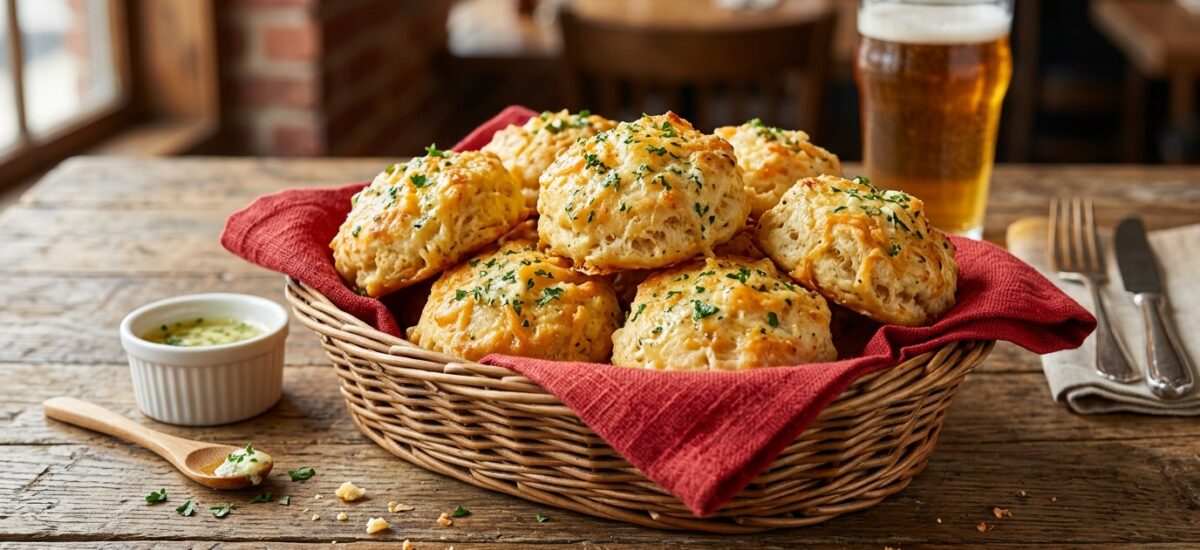
Red Lobster Cheddar Bay Biscuits Recipe devotees know the intoxicating sensation when a restaurant server delivers an overflowing, steaming basket of golden drop biscuits straight from the commercial ovens. With their jagged, crunchy, cheese-crusted exterior, cloud-like tender crumb, and generous glaze of bubbling garlic herb butter, they are universally hailed as the greatest complimentary bread basket in American dining history. First introduced in 1992 under the humble name “freshly baked hot cheese biscuits” by Red Lobster culinary executive Kurt Hankins, they became so wildly popular that the chain legally trademarked the name “Cheddar Bay” five years later to protect their legendary recipe.
In response to overwhelming customer demand, Red Lobster eventually partnered with Continental Mills to sell cardboard boxes of Cheddar Bay Biscuit mix in supermarket baking aisles. Yet anyone who has stirred together that retail box at home knows the immediate disappointment: the biscuits bake up flat and cakey, the cheese tastes faint, and the seasoning packet delivers an overwhelmingly artificial, chemical garlic-salt punch. Why does the retail box fail so miserably? Because commercial shelf stabilization forces manufacturers to omit the very ingredients that make the restaurant version magical: whole-fat cultured buttermilk, cold-cut butter pockets, freshly grated block cheddar, and fresh garlic-steeped butter. Just like we unlocked the diner-secret fluff in our fluffy IHOP Buttermilk Pancakes, the restaurant-grade cheese emulsion in our Chili’s Queso Dip Recipe, the crisp crunch of our Applebee’s Oriental Chicken Salad, the rich velvety body of our Panera Broccoli Cheddar Soup, and the shatteringly crisp shells in our Taco Bell Mexican Pizza Recipe, this authentic scratch recipe reveals the exact culinary techniques required to bake genuine restaurant-grade biscuits in just 20 minutes!
The 4 Culinary Secrets Why the Box Mix Fails (And How Scratch Wins)
To replicate the authentic Red Lobster experience, you must understand the commercial food science differences between factory-packaged powder and restaurant baking:
- 1. Cultured Buttermilk vs. Plain Tap Water: The supermarket box mix asks you to add tap water. Red Lobster line cooks use cold cultured buttermilk. The high lactic acid content in buttermilk reacts instantaneously with baking powder and baking soda, creating thousands of microscopic carbon dioxide gas bubbles that expand vigorously in the oven. This creates that feather-light, tender interior crumb that water can never achieve.
- 2. Freshly Grated Sharp Cheddar vs. Pre-Bagged Cellulose: Red Lobster uses block extra-sharp cheddar that is freshly shredded. Pre-shredded supermarket cheese is heavily dusted with cellulose powder and potato starch to prevent clumping in the bag. That starch coating forms a protective barrier that prevents the cheese from melting into luscious molten ribbons, leaving dry, rubbery orange specks instead.
- 3. Cold Butter Pockets vs. Palm Oil Shortening: Box mixes rely on shelf-stable hydrogenated vegetable oils. Our scratch recipe cuts cold, cubed unsalted butter into the flour until coarse pea-sized crumbs form. When those cold butter pockets hit the 425°F oven heat, the water inside the butter flashes into steam, puffing the dough into flaky, airy layers while the butterfat fries the biscuit bottoms into golden crispiness.
- 4. The Boiling Garlic Butter Drench: The biggest mistake home cooks make is brushing the garlic butter on cold or waiting for the biscuits to cool. In the restaurant, the moment the baking sheet slides out of the oven, cooks immediately paint the screaming-hot biscuit crusts with sizzling melted butter infused with garlic powder and dried parsley. The scorching crust absorbs the butterfat like a sponge, sealing in garlic aroma while maintaining a crunchy surface.
The Food Science Behind the Perfect Drop Biscuit Crumb
Unlike traditional Southern rolled and cut biscuits, which rely on repeated laminating folds to build tall, flaky layers, Cheddar Bay biscuits are classic American drop biscuits. Drop biscuits celebrate an intentionally uneven, shaggy dough. When dropped in rustic mounds onto a blazing-hot baking sheet, the irregular peaks and crannies create an expansive surface area. As the oven heat circulates, these exposed jagged tips dehydrate and brown quickly via the Maillard reaction, forming an intensely crunchy, caramelized crust.
Meanwhile, the interior retains substantial moisture thanks to the cultured buttermilk and melting pockets of high-fat cheddar cheese. As the cheese warms past its melting point of 150°F (65°C), the milk fats and proteins liquefy and weave into the surrounding starch matrix. This creates a remarkably tender crumb structure that resists drying out, staying soft and pillowy even as the biscuit cools.
Ingredients for Red Lobster Cheddar Bay Biscuits Recipe
Everything in this recipe uses wholesome, readily accessible pantry staples. Here is the exact measured ratio for 10 to 12 bakery-sized biscuits:
For the Flaky Cheesy Biscuit Dough:
- 2 cups all-purpose flour: Unbleached all-purpose flour provides the perfect moderate protein level (around 10% to 11.5%) to form a tender structure without turning tough or chewy. Always spoon and level your flour into measuring cups rather than scooping directly from the bag to prevent dense dough.
- 1 tablespoon baking powder: Ensure your baking powder is aluminum-free to eliminate any bitter or metallic aftertaste. It provides the initial oven spring lift.
- ½ teaspoon baking soda: Essential for reacting with the lactic acid in the buttermilk, creating instantaneous lift and promoting deep golden browning.
- 1 teaspoon garlic powder: Infuses the dough with savory garlic warmth throughout every bite.
- ½ teaspoon fine sea salt: Balances the richness of the butter and sharp cheddar.
- ¼ teaspoon cayenne pepper: Kurt Hankins’ secret ingredient. It does not make the biscuits spicy; rather, the trace capsaicin cuts through the heavy dairy fat and amplifies the sharpness of the cheddar on your palate.
- ½ cup (1 stick) unsalted butter: Must be cubed and chilled ice-cold. High-quality butterfat ensures flaky steam pockets during baking.
- 1 ½ cups extra-sharp cheddar cheese: Freshly grated directly from a cold block. Sharp or extra-sharp delivers the punchy restaurant flavor that mild cheddar lacks.
- 1 cup whole cultured buttermilk: Cold straight from the refrigerator. The rich tang and natural acidity are irreplaceable.
For the Signature Garlic Herb Butter Glaze:
- ⅓ cup unsalted butter: Melted bubbling hot just before the biscuits exit the oven.
- 1 teaspoon garlic powder: Delivers pure, sweet roasted garlic flavor that dissolves evenly throughout the warm butterfat without scorching.
- 1 teaspoon dried parsley flakes: Dried parsley is preferred over fresh because it adheres tightly to the butter glaze without releasing unwanted moisture into the crispy crust.
- ¼ teaspoon fine sea salt: Enhances the savory restaurant-style garlic finish.
Product Spotlight
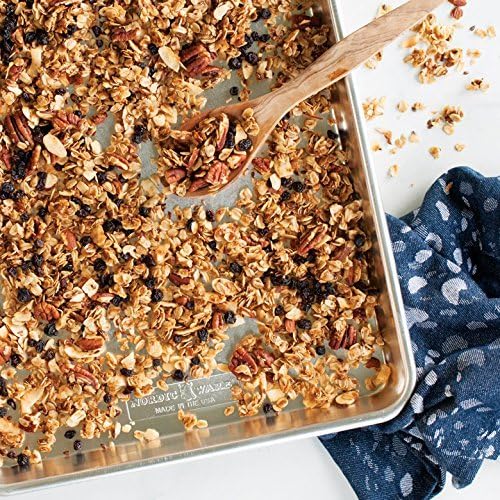
Nordic Ware Natural Aluminum Commercial Half Sheet
$18.49Commercial pure natural aluminum baking sheet provides superior, even heat conductivity to bake Cheddar Bay biscuits with deeply golden, crispy bottoms without burning the tops. Reinforced steel rim prevents warping at 425°F.
Buy on AmazonStep-by-Step Instructions for Red Lobster Cheddar Bay Biscuits Recipe
Step 1: Whisk the Dry Ingredients and Leaveners
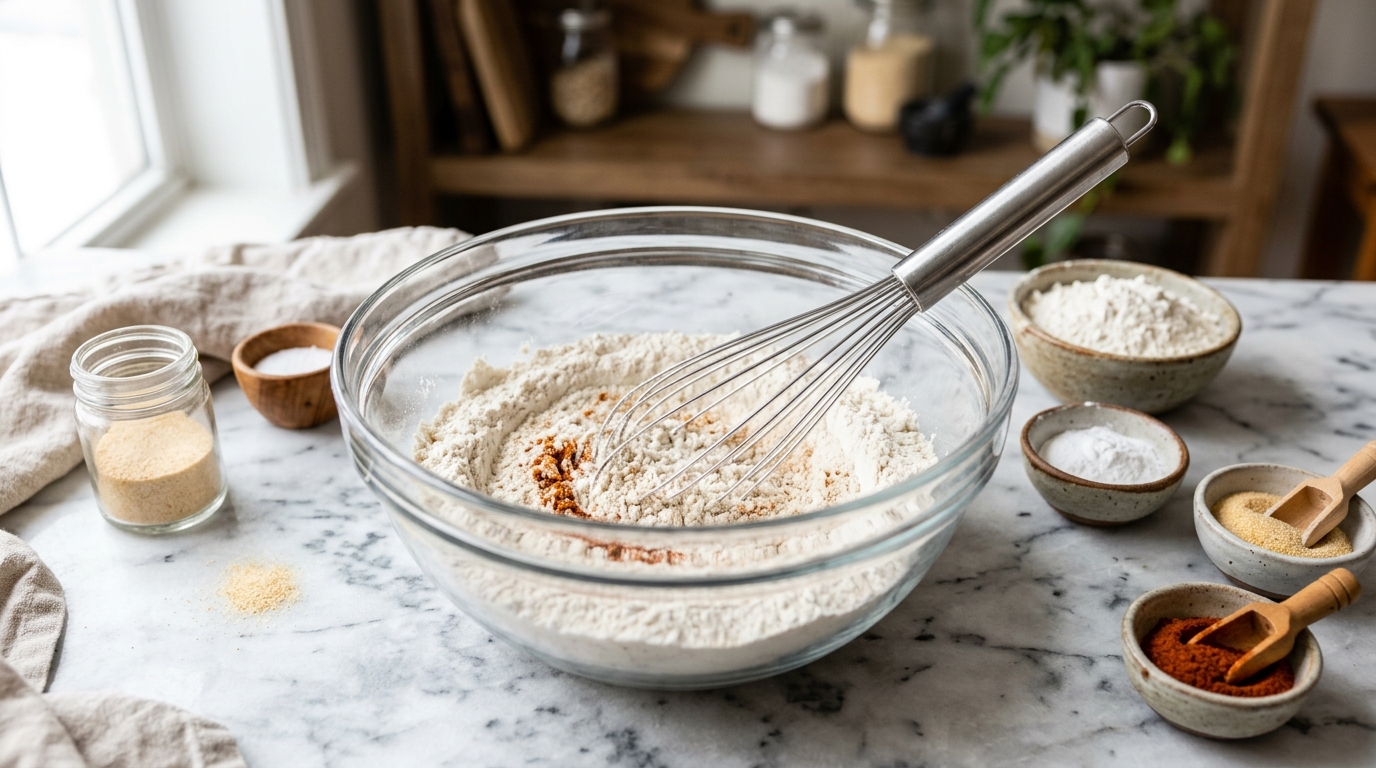
Preheat your oven to 425°F (220°C). Line a heavy commercial baking sheet, such as the Nordic Ware Natural Aluminum Half Sheet, with unbleached parchment paper. In a large glass mixing bowl, whisk together the 2 cups of all-purpose flour, 1 tablespoon baking powder, ½ teaspoon baking soda, 1 teaspoon garlic powder, ½ teaspoon salt, and ¼ teaspoon cayenne pepper until completely homogenous and lump-free.
Step 2: Cut in the Ice-Cold Butter
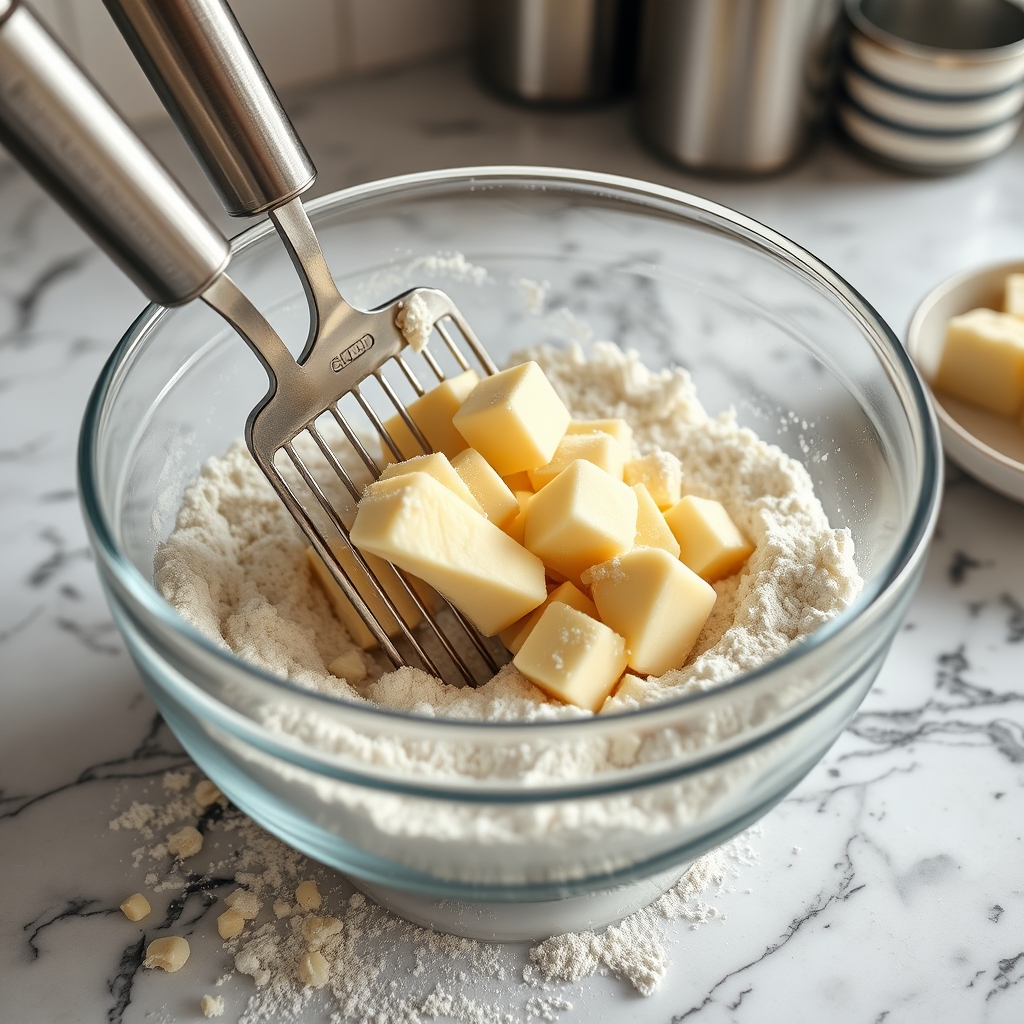
Add the ½ cup of cubed, ice-cold unsalted butter to the flour mixture. Using a pastry blender or two butter knives, cut the butter into the dry ingredients until coarse crumbs form, with some pieces remaining the size of small peas. These distinct butter pieces will vaporize during baking, creating the signature tender layers.
Step 3: Fold in Freshly Grated Sharp Cheddar Cheese
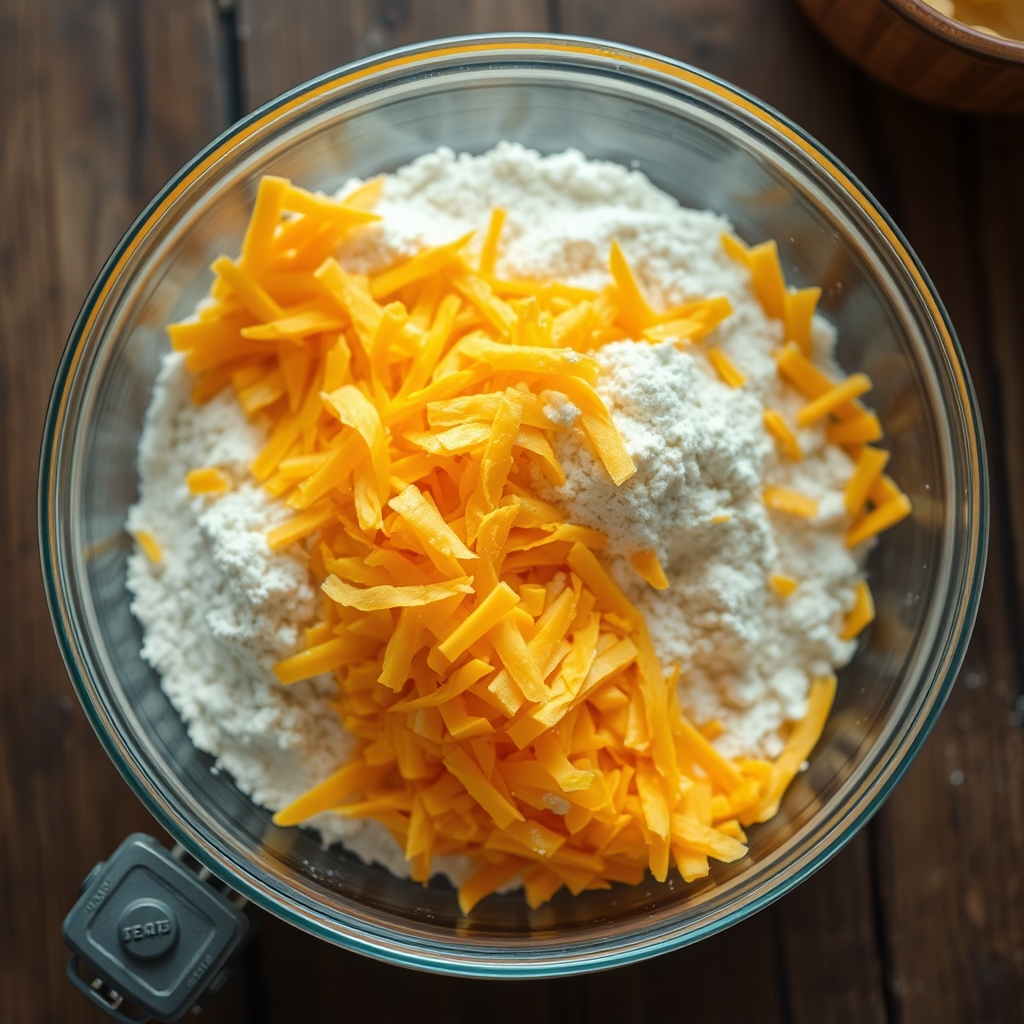
Grate 1 ½ cups of sharp cheddar directly from a cold block. Add the grated cheese to the flour mixture and toss gently with a wooden spoon or spatula until every strand of cheddar is lightly coated in flour. Tossing with flour ensures the cheese remains evenly suspended throughout the biscuit rather than pooling at the bottom of the pan.
Step 4: Pour Cold Buttermilk and Mix Shaggy Dough
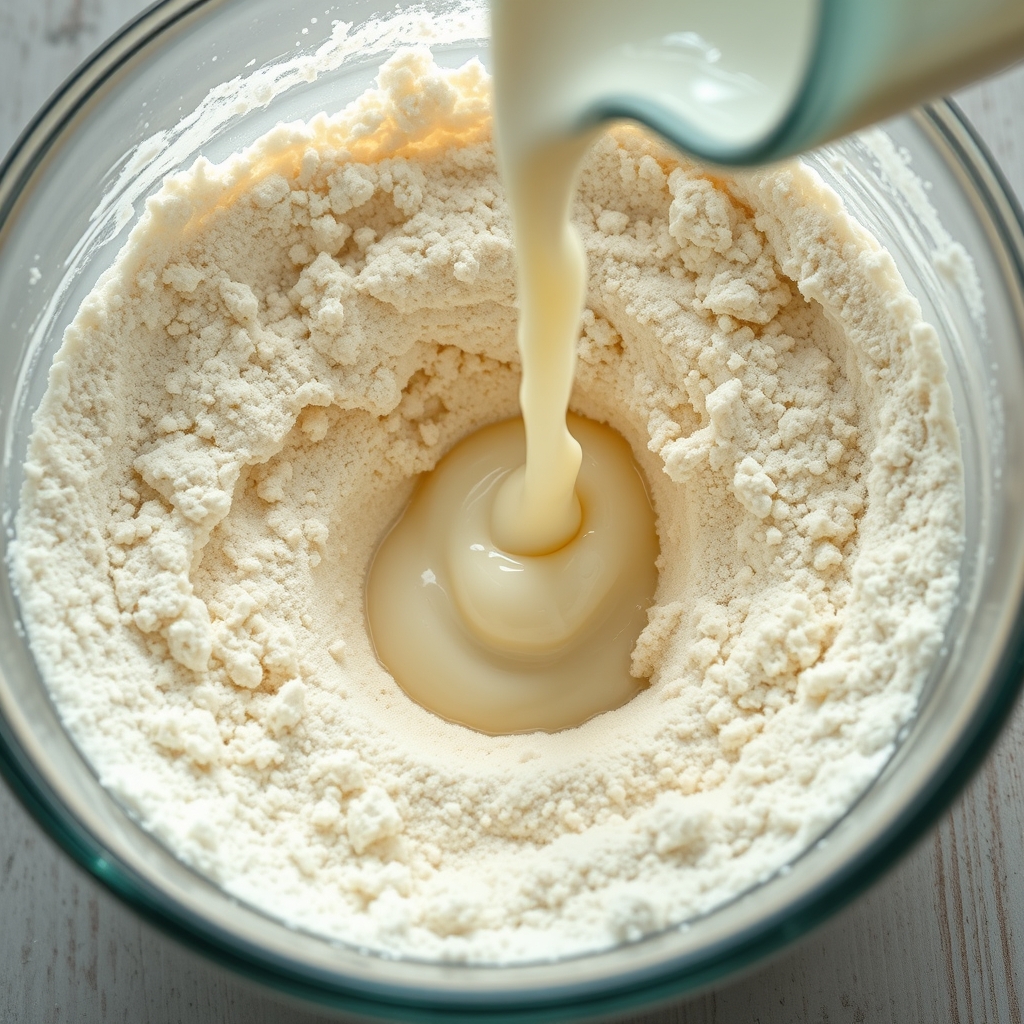
Make a well in the center of the dry ingredients and pour in 1 cup of cold cultured buttermilk. Using a silicone spatula, stir gently just until the flour is moistened and a shaggy, rough dough forms (about 15 to 20 strokes). Do not overmix! Overworking the dough develops gluten, transforming light and flaky biscuits into dense, chewy hockey pucks.
Step 5: Drop Rustic Dough Mounds onto Baking Sheet
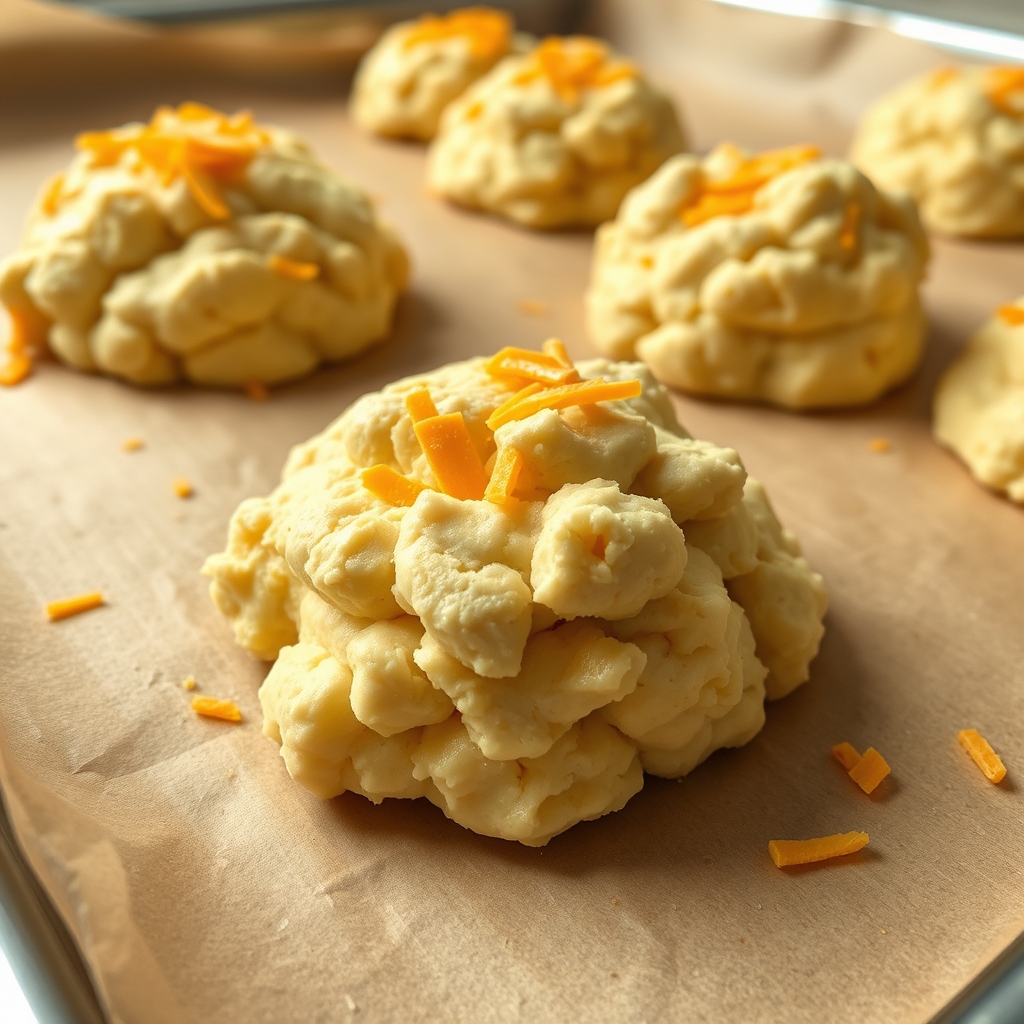
Using a large ice cream scoop or two large spoons, scoop rounded ¼-cup portions of dough onto the prepared baking sheet, leaving about 2 inches of space between each biscuit. Leave the tops rough and jagged; those craggy peaks are what catch the garlic butter and bake into delightfully crispy ridges.
Step 6: Bake at 425°F Until Golden Brown and Crisp
Slide the baking sheet onto the middle rack of your preheated oven. Bake at 425°F (220°C) for 14 to 16 minutes, or until the biscuit tops are a rich golden brown and the cheese along the edges has sizzled into a crispy, toasted lace.
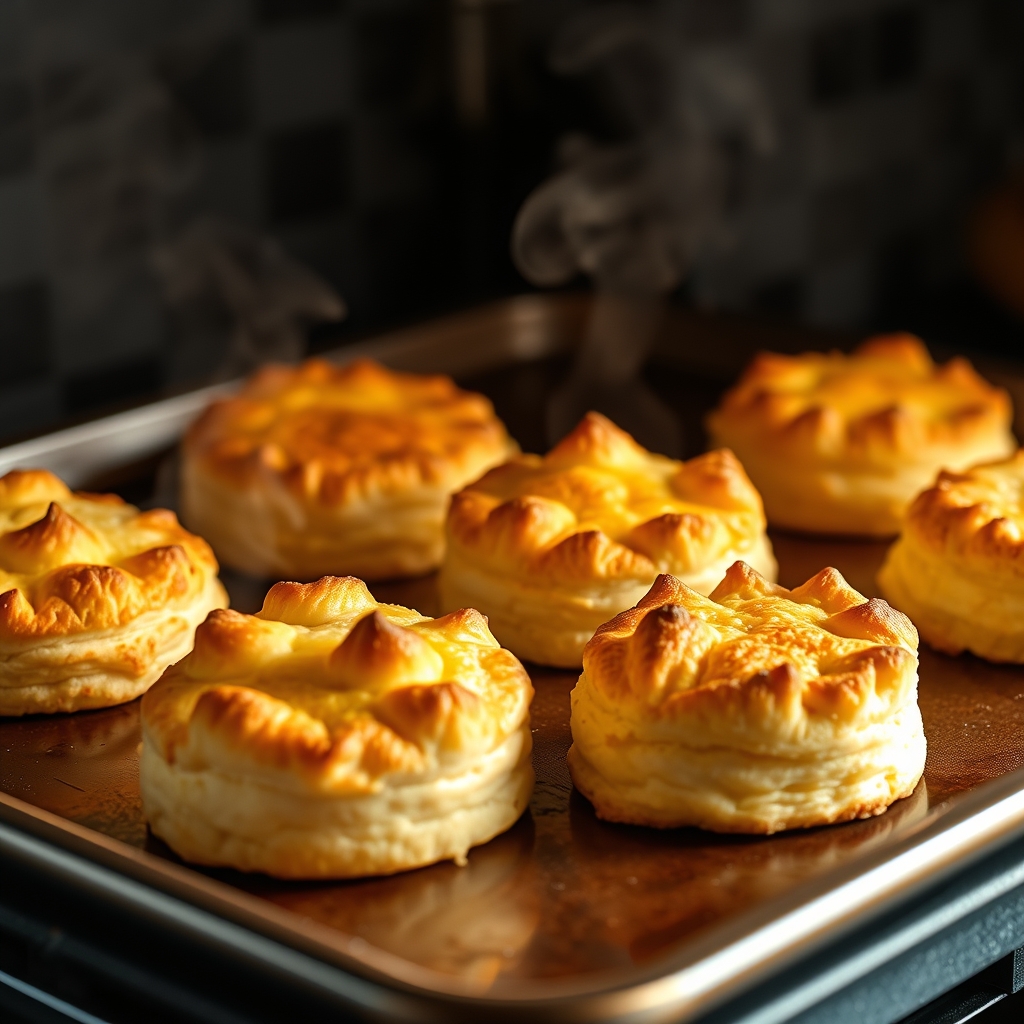
Step 7: Drench in Sizzling Garlic Herb Butter and Serve
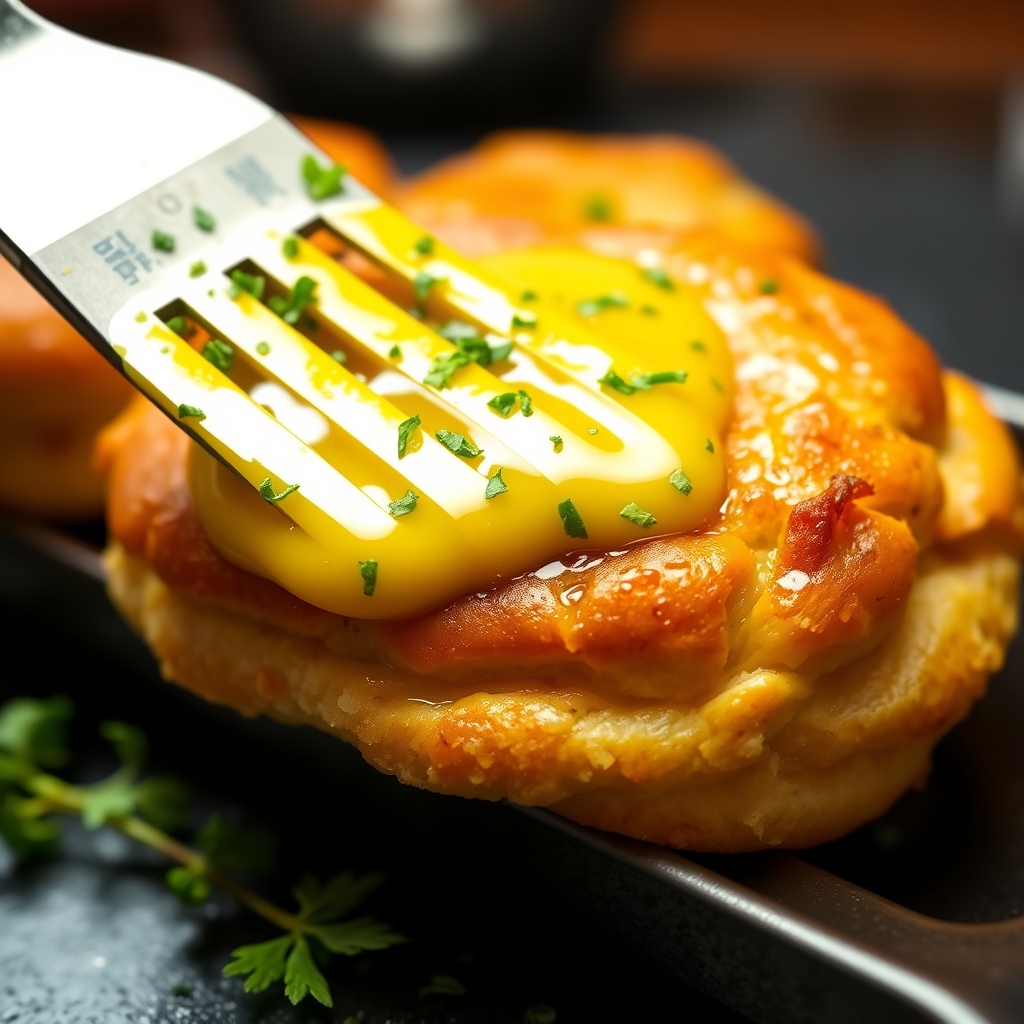
While the biscuits bake, melt ⅓ cup of unsalted butter in a small saucepan or microwave-safe bowl. Stir in 1 teaspoon garlic powder, 1 teaspoon dried parsley flakes, and ¼ teaspoon salt. The instant the biscuits exit the oven, liberally brush every biscuit with the hot garlic butter mixture. Allow them to rest for 3 minutes to absorb the glaze, then serve immediately while steaming hot!
Why 425°F is the Non-Negotiable Baking Temperature
Home bakers often wonder why biscuit recipes call for such high oven temperatures compared to cakes or cookies. In drop biscuit baking, 425°F (220°C) is the critical thermal threshold. At this high temperature, two vital physical reactions happen simultaneously:
- Flash Steam Expansion: The cold butter cubes embedded throughout the dough contain approximately 16% to 18% water. When exposed to 425°F heat, this trapped moisture rapidly flashes into pressurized steam before the butterfat completely liquefies. The steam puffs the surrounding flour walls upward, creating airy internal pockets and tender crumb flakiness.
- Maillard Cheese Caramelization: At lower temperatures (such as 350°F), cheese slowly melts and weeps oil, creating greasy biscuits. At 425°F, the exposed shreds of sharp cheddar quickly brown and form a crispy, toasted cheese crust around the exterior ridges, delivering that intoxicating savory aroma unique to Red Lobster.
Cheesemonger Secrets: Selecting the Best Cheddar for Maximum Flavor
The cheese you choose directly dictates the depth and character of your finished biscuit. When shopping for cheddar, keep these professional cheesemonger guidelines in mind:
- Extra-Sharp Yellow Cheddar (The Gold Standard): Aged for 9 to 12 months, extra-sharp yellow cheddar possesses lower moisture and a high concentration of sharp lactic acid crystals. It provides robust, tangy flavor that stands tall against garlic and butter, plus the traditional vibrant orange hue.
- White Cheddar Alternative: If you prefer a cleaner, more artisanal aesthetic, aged Vermont white cheddar delivers phenomenal sharpness without annatto coloring. The flavor profile is slightly nuttier and pairs elegantly with seafood entrees.
- Never Use Pre-Shredded: We cannot overstate this rule. The anti-caking starches (calcium sulfate and powdered cellulose) in bagged cheese absorb grease and prevent smooth melting, leaving gritty remnants. Take 60 seconds to shred a block with a box grater for restaurant perfection.
Storage, Reheating & Freezing Guidelines
Freshly baked Red Lobster Cheddar Bay Biscuits Recipe drops are best enjoyed within 30 minutes of baking. However, if you have leftovers, proper storage preserves their incredible texture:
- Room Temperature Storage: Allow biscuits to cool completely to room temperature on a wire rack. Place in an airtight container or zip-top food bag lined with a dry paper towel to absorb ambient humidity, and store at room temperature for up to 2 days.
- Refrigeration: While convenient, the cold airflow inside a refrigerator can accelerate starch retrogradation, drying out crumb moisture faster. If storing beyond 2 days, wrap each biscuit tightly in aluminum foil and refrigerate for up to 5 days.
- Reheating Method (Skip the Microwave!): Microwaving turns flaky biscuit dough into rubbery sponge. Instead, preheat your oven or toaster oven to 350°F (175°C). Place biscuits on a baking sheet, tent loosely with foil, and heat for 6 to 8 minutes. Remove the foil during the final 2 minutes to crisp the crust. Brush with a tiny dab of fresh melted butter upon removal!
- Freezing Unbaked Dough (The Make-Ahead Miracle): You can freeze unbaked biscuit dough! Scoop the raw dough portions onto a parchment-lined baking sheet and place in the freezer for 1 hour until frozen solid. Transfer the frozen dough balls into a heavy-duty freezer bag for up to 3 months. When biscuit cravings strike, place frozen biscuits onto a baking sheet and bake directly at 425°F for 18 to 20 minutes—no thawing required!
Red Lobster Cheddar Bay Biscuits Recipe — The Authentic Scratch Clone
Ingredients
- 2 cups all-purpose flour
- 1 tablespoon baking powder + ½ teaspoon baking soda
- 1 teaspoon garlic powder + ½ teaspoon salt
- ¼ teaspoon cayenne pepper
- ½ cup (1 stick) cold unsalted butter, cubed
- 1 ½ cups extra-sharp cheddar cheese, freshly grated
- 1 cup cold cultured buttermilk
- ⅓ cup unsalted butter, melted (for glaze)
- 1 teaspoon garlic powder + 1 teaspoon dried parsley (for glaze)
Instructions
- Preheat oven to 425°F (220°C). Line a baking sheet with parchment paper.
- In a large bowl, whisk together flour, baking powder, baking soda, garlic powder, salt, and cayenne pepper.
- Cut cold butter into flour using a pastry cutter until pea-sized crumbs form.
- Toss freshly grated sharp cheddar cheese into the dry crumb mixture.
- Pour in cold buttermilk and stir gently with a spatula just until a shaggy dough comes together.
- Drop 12 rounded ¼-cup mounds onto the baking sheet.
- Bake for 14-16 minutes until golden brown. Brush immediately with melted garlic herb butter and serve warm!
Frequently Asked Questions About Red Lobster Cheddar Bay Biscuits Recipe
Can I make these biscuits without buttermilk?
While cultured whole buttermilk delivers the best lift and authentic tang, you can make a quick homemade substitute: pour 1 tablespoon of fresh lemon juice or distilled white vinegar into a measuring cup, then add whole milk until it reaches the 1-cup mark. Let it sit at room temperature for 5 minutes until lightly curdled, then chill before mixing into your dough.
Why did my biscuits turn out flat and heavy?
Flat, dense biscuits are usually caused by two common baking errors: warm butter or overmixing. If your butter warms to room temperature before baking, it will melt into the flour rather than creating steam pockets. Always ensure your butter and buttermilk are ice-cold. Secondly, mix only until the flour is moistened; kneading will develop tough gluten strands.
Can I use pre-shredded bagged cheddar cheese?
We strongly recommend shredding cheese from a block. Bagged shredded cheese contains anti-caking starches that interfere with melting and dull the flavor. Freshly grated sharp or extra-sharp cheddar melts into luscious molten cheese pockets that define the restaurant experience.
How do I get the bottom of the biscuits extra crispy?
Baking on a heavy-gauge aluminum baking sheet like the Nordic Ware Commercial Half Sheet at 425°F ensures rapid heat conduction directly into the biscuit base. For an extra-crispy crust, bake on the lower-middle oven rack and brush the parchment paper with a thin sheen of melted butter before dropping the dough mounds.
Can I add fresh herbs like rosemary or chives?
Absolutely! While Red Lobster’s classic formula uses parsley in the butter glaze, folding 2 tablespoons of finely minced fresh chives or 1 teaspoon of minced fresh rosemary into the dry flour adds a wonderful herbaceous aroma that pairs magnificently with roast chicken, steak, or hearty soups.
Pin This Recipe For Later
Save this delicious homemade recipe & step-by-step cooking guide directly to your Pinterest board!