
As an Amazon Associate, I earn from qualifying purchases. This post may contain affiliate links, meaning if you click through and make a purchase, I may earn a small commission at no extra cost to you.
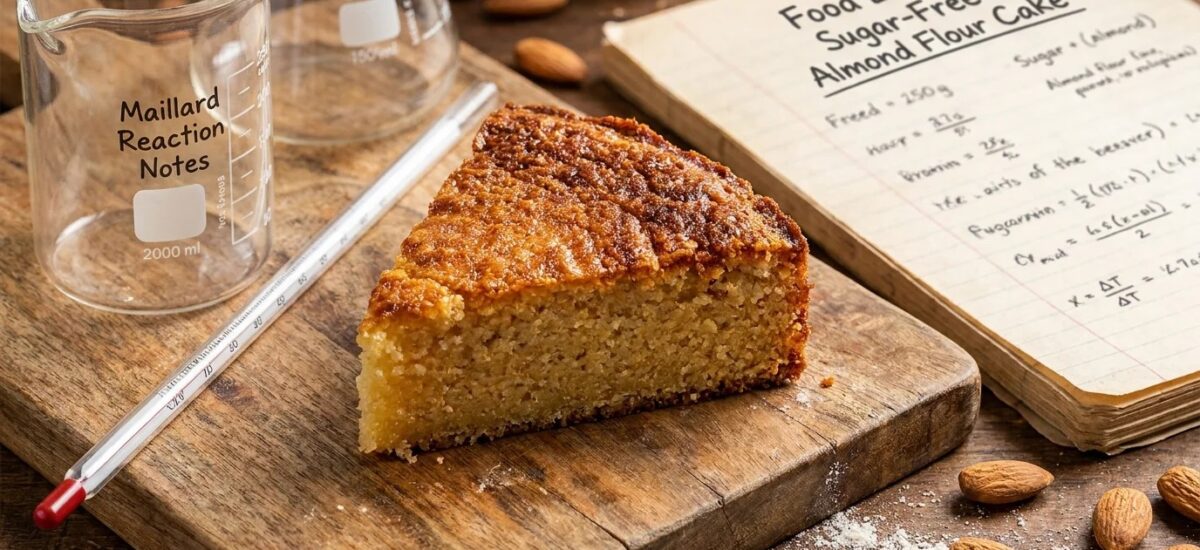
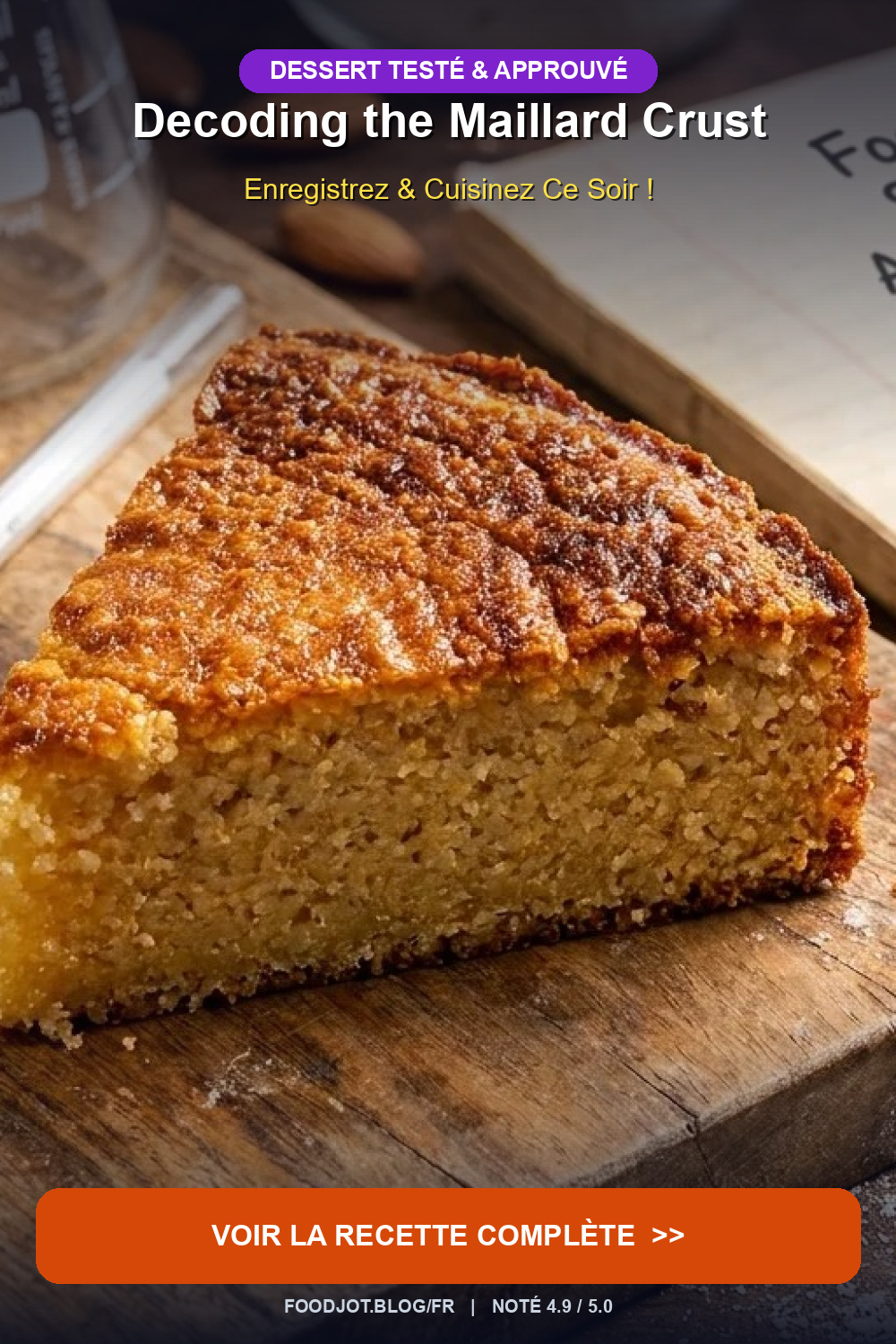
Prepare to revolutionize your baking with a dessert that defies expectations: the Food Lab’s Sugar-Free Almond Flour Cake. For too long, sugar-free cakes have been synonymous with blandness or a rubbery texture. But what if we told you there’s a secret to achieving a deeply flavorful, golden-brown crust that rivals any traditional cake, all without a single grain of sugar? The answer lies in the fascinating world of culinary chemistry, specifically the Maillard reaction. For the gear, see Best Best Stand Mixers for Home Bakers. (For another reader favorite, check out our Popsicles for Kids – Sugar-Free Recipe: Naturally Sweetened & Healthy.)
This isn’t just another recipe; it’s a journey into understanding how ingredients truly interact. By harnessing the power of the Maillard reaction, we unlock rich, complex flavors and an irresistible texture that caramelization (which relies on sugar) simply can’t provide in a sugar-free context. Get ready for a cake that’s not only guilt-free and gluten-friendly but also boasts a crust so delicious, it’ll make you question everything you thought you knew about healthy desserts. This almond flour masterpiece is moist, tender, and incredibly satisfying, proving that healthy eating doesn’t mean sacrificing flavor. (If you enjoy this topic, you may also love The Secret to Perfectly Scoopable Sugar-Free Ice Cream (No Machine Needed!).)
Join us as we dive deep into the science and art of creating this extraordinary sugar-free cake, perfect for any occasion where you want to impress without the added sugar. We’ll guide you through each step, ensuring your cake emerges from the oven with that coveted Maillard crust and a taste that will leave everyone craving more. For more baking inspiration, explore other delicious options like this French Walnut Cake or a classic Angel Food Cake. (Pair this with our step-by-step guide to Angel Food Cake – Light, Fluffy & Perfect Every Time! Recipe: Light....)
Ingredients
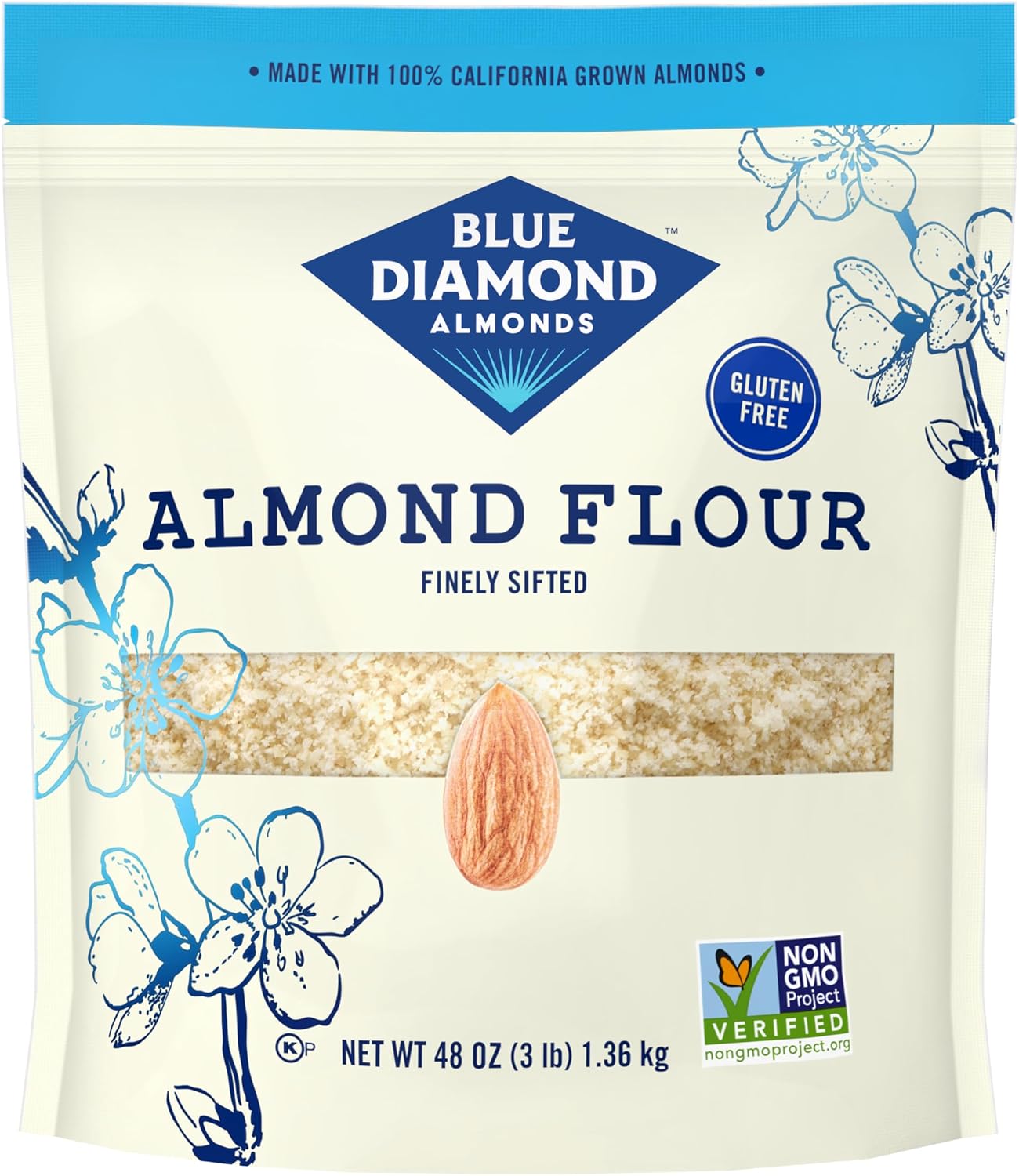
- 2 ½ cups (250g) super-fine blanched almond flour
- ¾ cup (150g) granulated erythritol or allulose blend
- 1 teaspoon baking powder
- ½ teaspoon baking soda
- ¼ teaspoon salt
- ½ cup (113g) unsalted butter, melted
- ½ cup (120ml) unsweetened almond milk
- 2 large eggs, room temperature
- 1 teaspoon vanilla extract
- Optional: ½ teaspoon almond extract for extra flavor
Product Spotlight
Step-by-Step Instructions
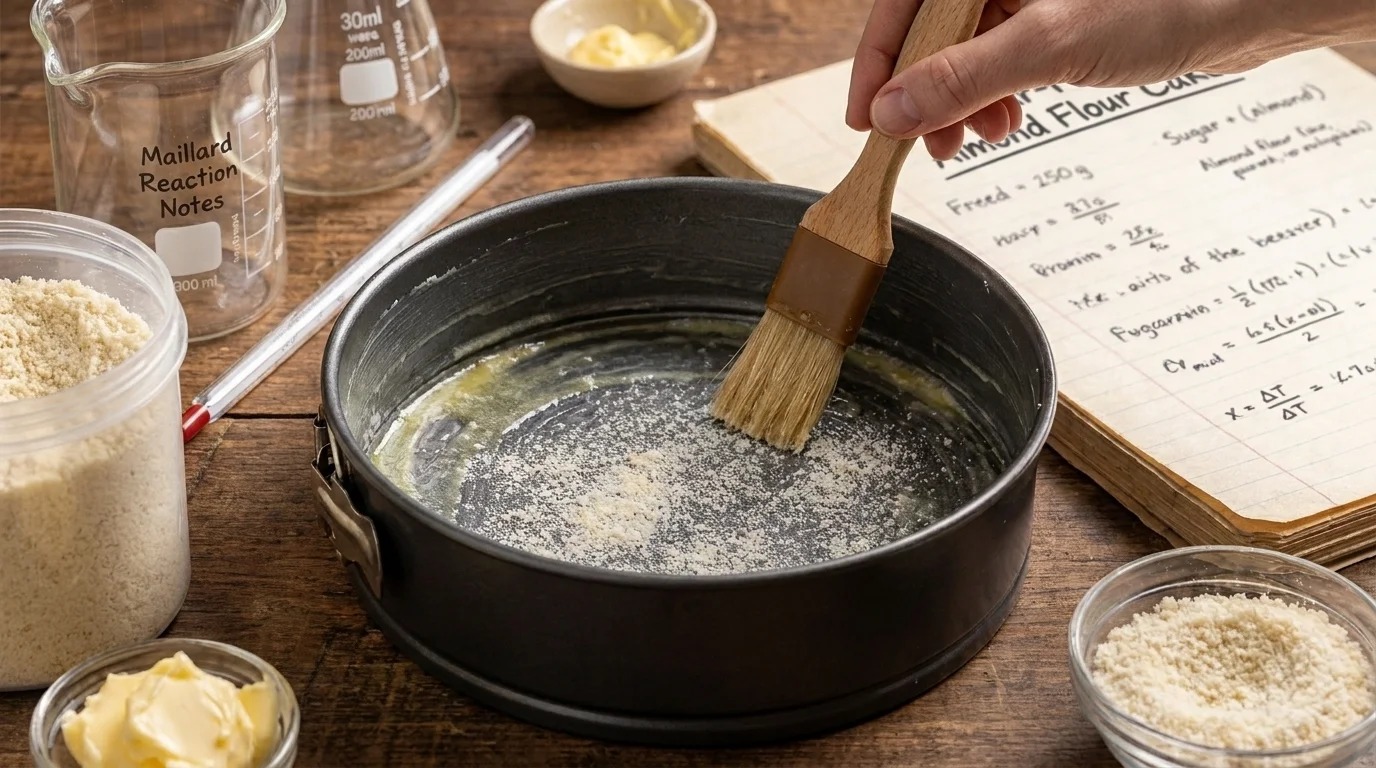
Step 1: Prepare Your Pan. Preheat your oven to 350°F (175°C). Grease and flour a 9-inch round springform pan with a bit of almond flour, or line with parchment paper for easy release. This crucial first step ensures your cake doesn’t stick and helps achieve that perfect crust. For precise measurements, consider using a digital kitchen scale. (For more kitchen inspiration, explore Walnut Cake Recipe: Moist, Nutty, and Irresistible!.)
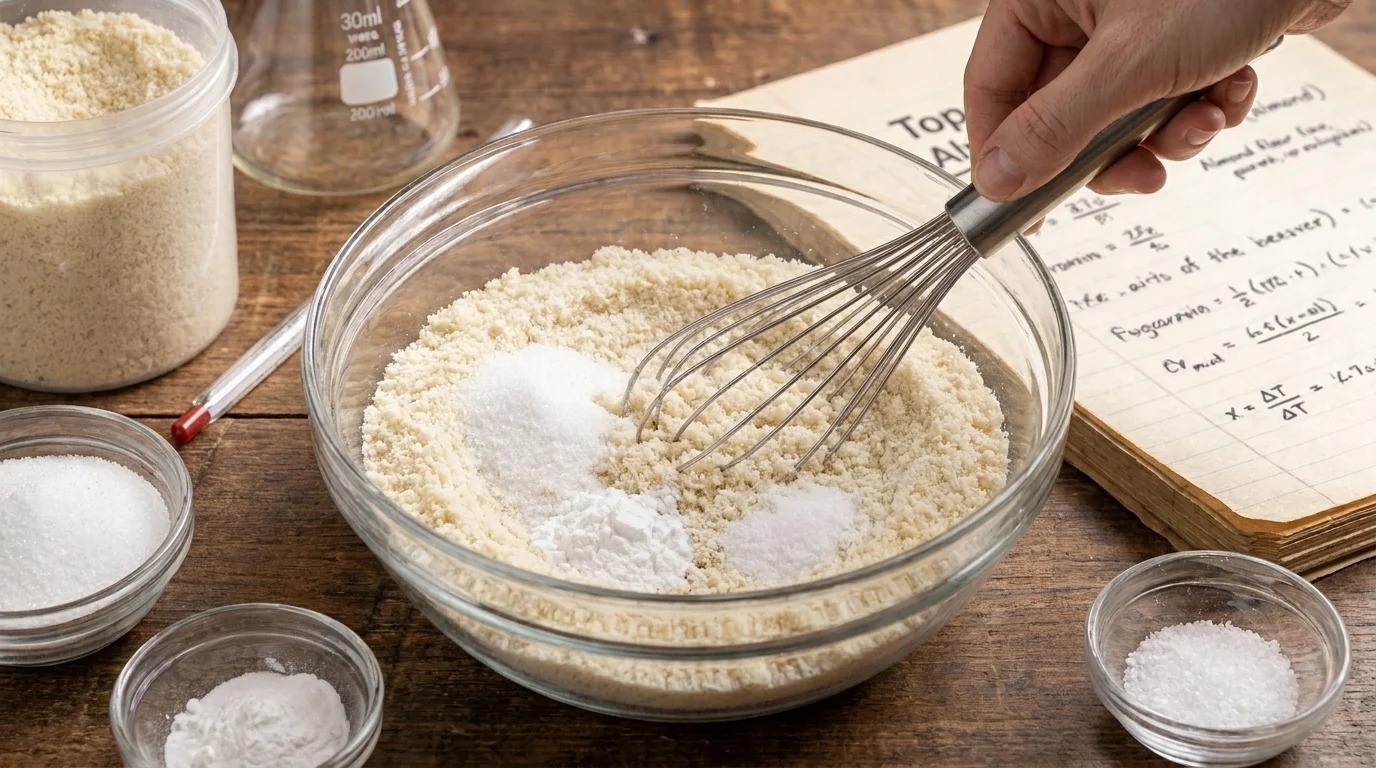
Step 2: Combine Dry Ingredients. In a large bowl, whisk together the almond flour, erythritol (or allulose blend), baking powder, baking soda, and salt. Ensure there are no lumps and the mixture is well combined. This even distribution of leavening agents is key for a consistent crumb. You can find more comprehensive baking science resources on Serious Eats. (See also our complete culinary breakdown on 1920's Chocolate Cake Recipe: A Nostalgic Baking Experience 🕰️🍫.)
Step 3: Mix Wet Ingredients. In a separate medium bowl, whisk together the melted butter, almond milk, eggs, and vanilla (and almond extract, if using). Make sure the eggs are well incorporated, creating a smooth liquid mixture. Room temperature eggs blend more easily and contribute to a better cake texture. You can also check the latest price and verified kitchen reviews on Amazon.
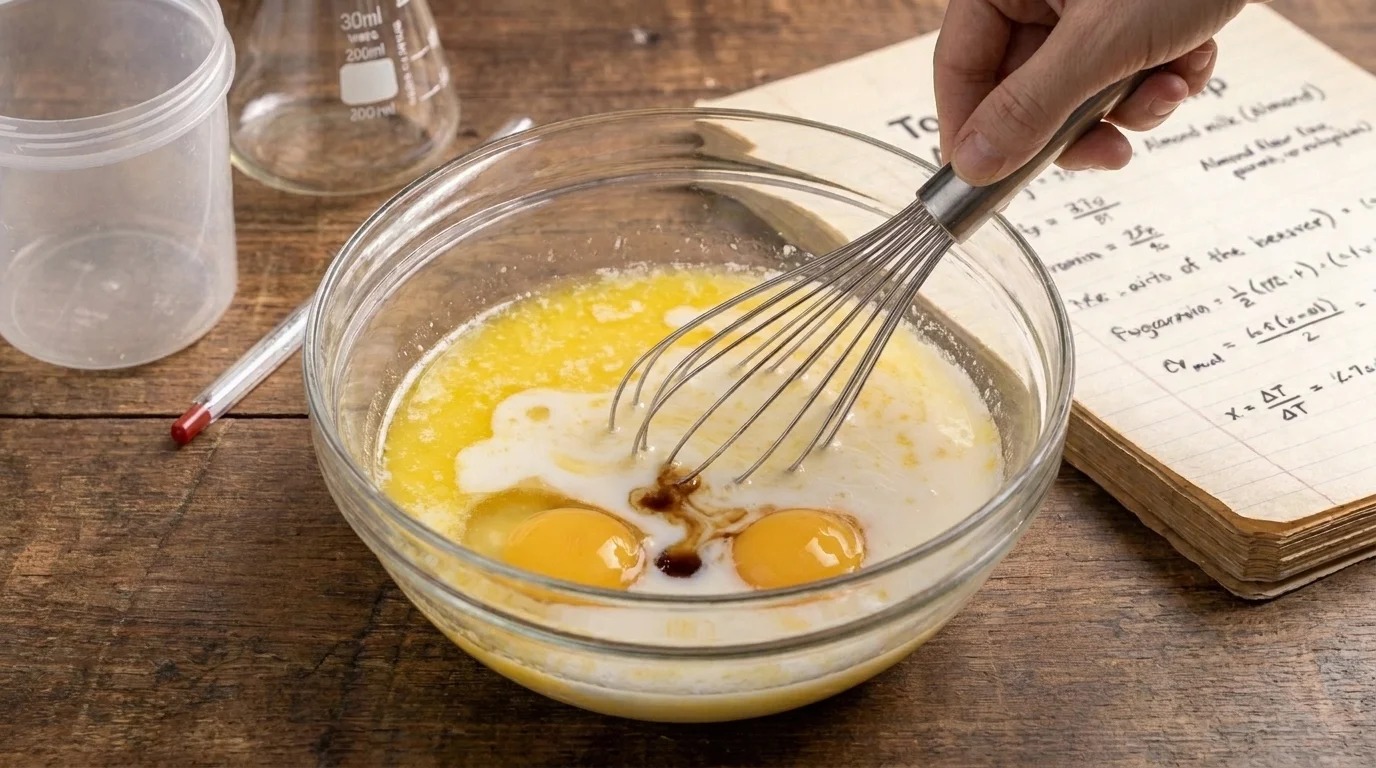
Step 4: Combine Wet and Dry. Pour the wet ingredients into the dry ingredients. Mix with a spatula until just combined. Be careful not to overmix, as this can lead to a dense cake. The batter will be thick, which is typical for almond flour cakes. For reliable recipes and techniques, Bon Appétit offers a wealth of information.
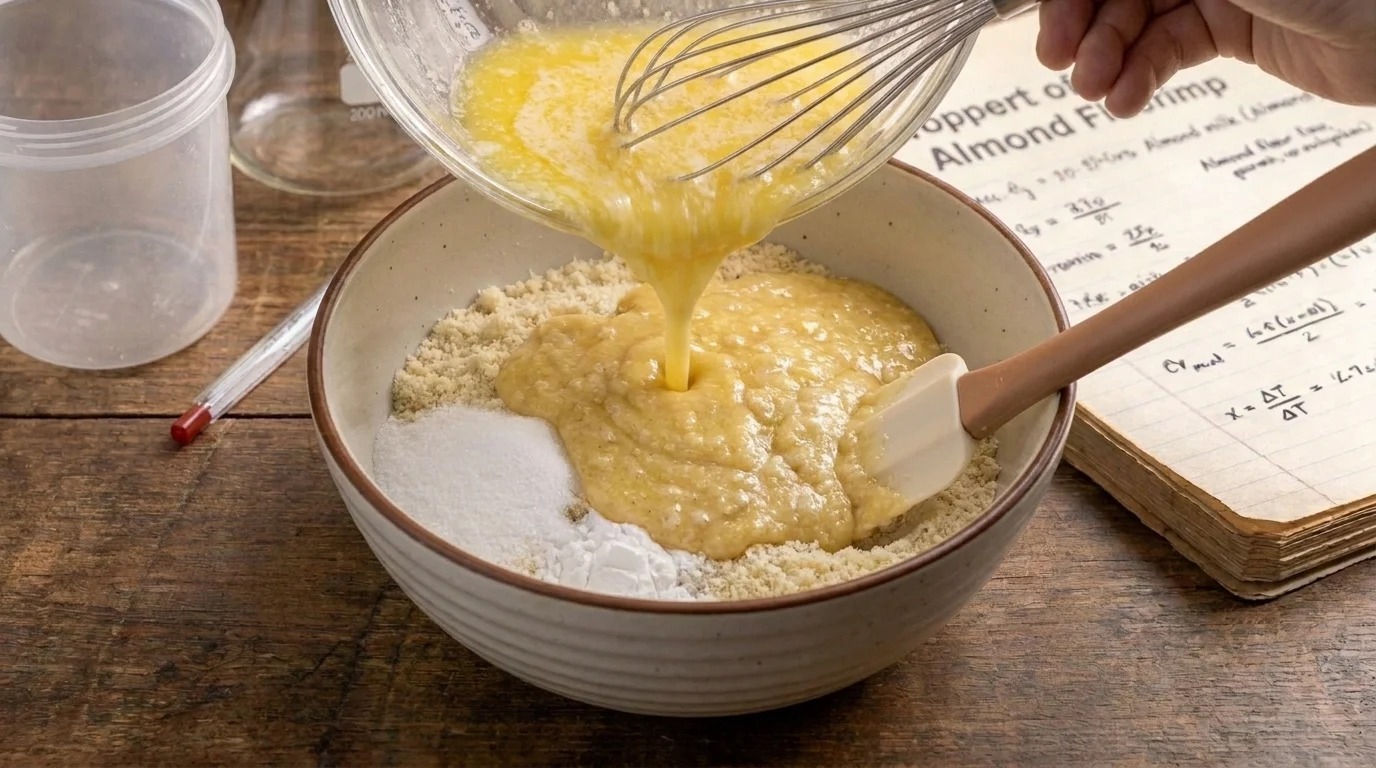
Step 5: Bake to Perfection for the Maillard Crust. Pour the batter into your prepared springform pan. Bake for 40-45 minutes, or until a toothpick inserted into the center comes out clean and the top is a beautiful golden-brown. This golden color is your indicator of a successful Maillard reaction, creating that desirable crust. Adjust baking time as needed, as oven temperatures can vary. For healthy baking inspiration, check out Eating Well.
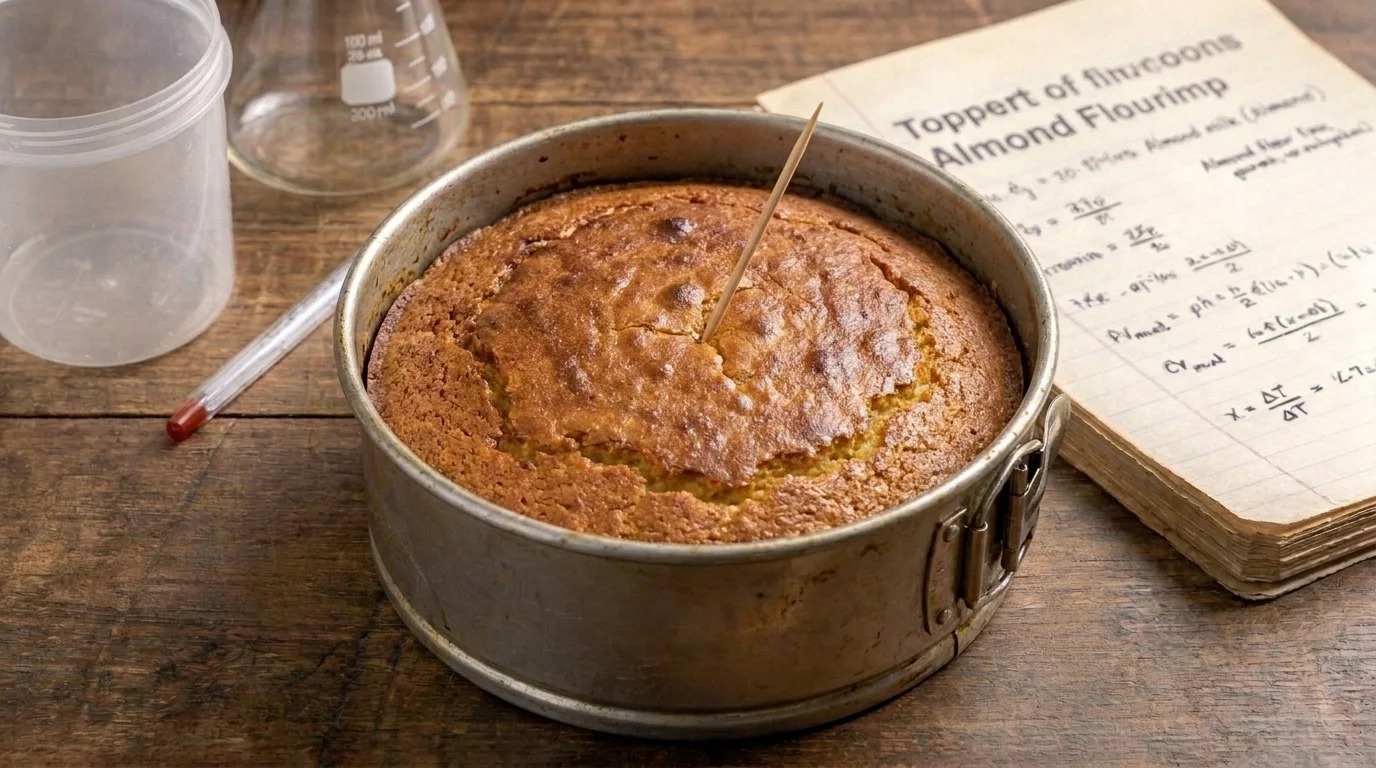
Step 6: Cool and Serve. Let the cake cool in the pan for 10-15 minutes before carefully removing it to a wire rack to cool completely. Slicing into a warm almond flour cake can sometimes cause it to crumble, so patience is key! Once cooled, dust with a little extra erythritol powdered sweetener if desired. For more tested recipes, Cook’s Illustrated is an excellent resource. You can also explore a wide variety of home cooking recipes on AllRecipes and The Kitchn.
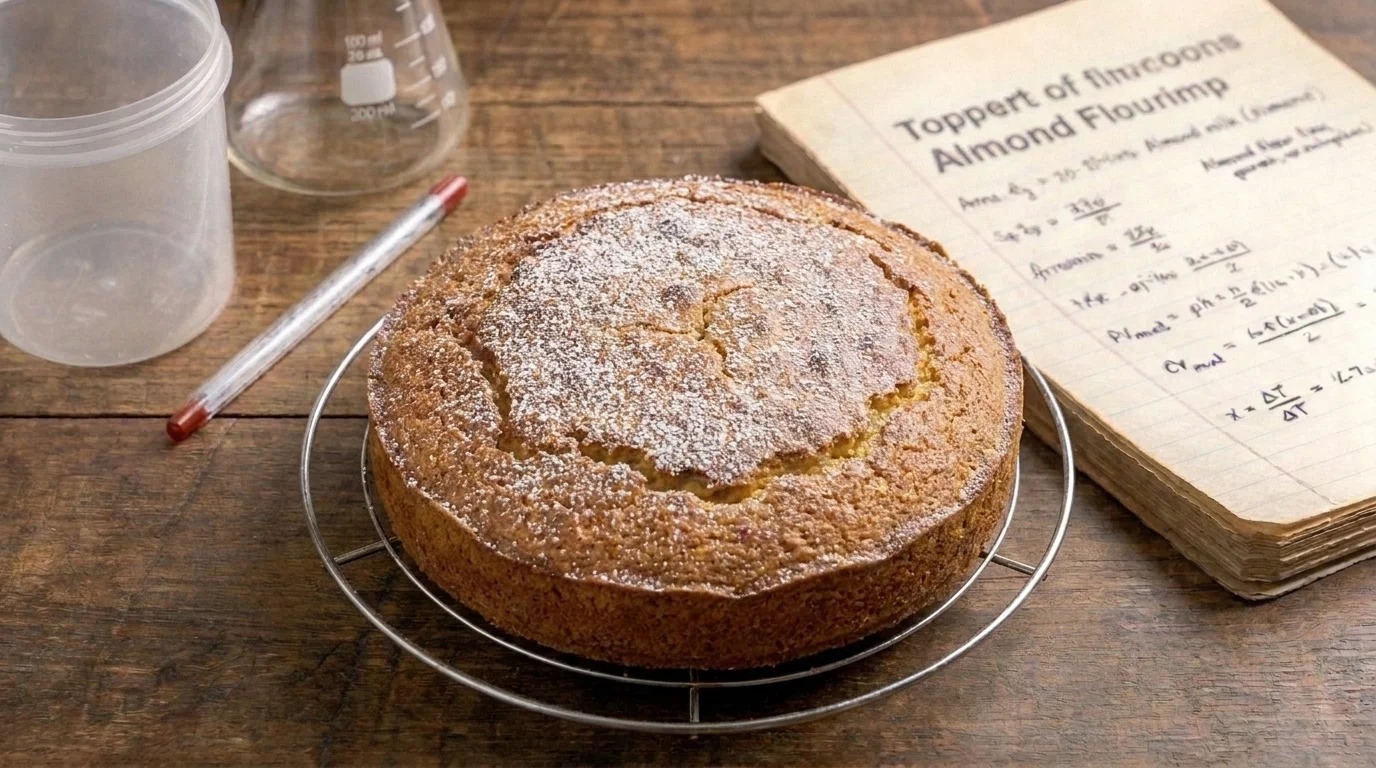
Decoding the Maillard Crust: Food Lab’s Sugar-Free Almond Flour Cake
Ingredients
- 2 ½ cups (250g) super-fine blanched almond flour
- ¾ cup (150g) granulated erythritol or allulose blend
- 1 teaspoon baking powder
- ½ teaspoon baking soda
- ¼ teaspoon salt
- ½ cup (113g) unsalted butter, melted
- ½ cup (120ml) unsweetened almond milk
- 2 large eggs, room temperature
- 1 teaspoon vanilla extract
- Optional: ½ teaspoon almond extract for extra flavor
Instructions
- Step 1: Prepare Your Pan. Preheat your oven to 350°F (175°C). Grease and flour a 9-inch round springform pan with a bit of almond flour, or line with parchment paper for easy release. This crucial first step ensures your cake doesn’t stick and helps achieve that perfect crust. For precise measurements, consider using a digital kitchen scale.
- Step 2: Combine Dry Ingredients. In a large bowl, whisk together the almond flour, erythritol (or allulose blend), baking powder, baking soda, and salt. Ensure there are no lumps and the mixture is well combined. This even distribution of leavening agents is key for a consistent crumb. You can find more comprehensive baking science resources on Serious Eats.
- Step 3: Mix Wet Ingredients. In a separate medium bowl, whisk together the melted butter, almond milk, eggs, and vanilla (and almond extract, if using). Make sure the eggs are well incorporated, creating a smooth liquid mixture. Room temperature eggs blend more easily and contribute to a better cake texture.
- Step 4: Combine Wet and Dry. Pour the wet ingredients into the dry ingredients. Mix with a spatula until just combined. Be careful not to overmix, as this can lead to a dense cake. The batter will be thick, which is typical for almond flour cakes. For reliable recipes and techniques, Bon Appétit offers a wealth of information.
- Step 5: Bake to Perfection for the Maillard Crust. Pour the batter into your prepared springform pan. Bake for 40-45 minutes, or until a toothpick inserted into the center comes out clean and the top is a beautiful golden-brown. This golden color is your indicator of a successful Maillard reaction, creating that desirable crust. Adjust baking time as needed, as oven temperatures can vary. For healthy baking inspiration, check out Eating Well.
- Step 6: Cool and Serve. Let the cake cool in the pan for 10-15 minutes before carefully removing it to a wire rack to cool completely. Slicing into a warm almond flour cake can sometimes cause it to crumble, so patience is key! Once cooled, dust with a little extra erythritol powdered sweetener if desired. For more tested recipes, Cook’s Illustrated is an excellent resource. You can also explore a wide variety of home cooking recipes on AllRecipes and The Kitchn.
FAQ Section
Can I use a different flour instead of almond flour?
What sugar substitute works best for the Maillard crust?
My cake isn’t browning, what went wrong?
Conclusion
There you have it – Food Lab’s Sugar-Free Almond Flour Cake, a testament to the power of culinary science and the delicious possibilities of sugar-free baking. The Maillard crust isn’t just a pretty finish; it’s a layer of complex flavor and satisfying texture that elevates this cake from good to truly exceptional. Enjoy the rich, nutty notes and the moist interior, knowing you’ve mastered a sophisticated baking technique. This recipe proves that even without sugar, you can achieve profound depth of flavor and a delightful eating experience. Happy baking! You can also browse organic pantry staples on HerbsPro.
Pin This Review For Later
Save this honest buying guide & pros/cons summary directly to your Pinterest Kitchen or Gadgets board!
Gear we used for this recipe