As an Amazon Associate, I earn from qualifying purchases. This post may contain affiliate links, which means I may receive a small commission, at no extra cost to you, if you make a purchase through a link.
Are you ready to embrace a lifestyle known for its incredible health benefits, vibrant flavors, and satisfying meals? The Mediterranean diet isn’t just a diet; it’s a way of life that emphasizes whole, unprocessed foods, healthy fats, and a rich array of fruits, vegetables, and grains. It’s consistently ranked as one of the healthiest eating patterns by nutrition experts worldwide, praised for its positive impact on heart health, brain function, and longevity.
For beginners, diving into a new eating plan can feel overwhelming. That’s why we’ve crafted this simple yet comprehensive 7-Day Mediterranean Diet Meal Plan. We’ll guide you through delicious, easy-to-prepare meals that embody the essence of Mediterranean cuisine, making your transition smooth and enjoyable. Get ready to nourish your body and delight your taste buds!
Why You’ll Love This Mediterranean Diet Meal Plan
This meal plan is designed to make healthy eating accessible and enjoyable. You’ll love it because it’s:
- Easy to Follow: Simple recipes and clear daily schedules eliminate guesswork.
- Flavor-Packed: Discover the incredible taste of fresh, seasonal ingredients and aromatic herbs.
- Nutrient-Rich: Packed with vitamins, minerals, and antioxidants to support overall health.
- Heart-Healthy: Emphasizes healthy fats, whole grains, and lean proteins, known for cardiovascular benefits.
- Sustainable: More than a diet, it’s a balanced eating pattern you can maintain long-term.
Ingredients
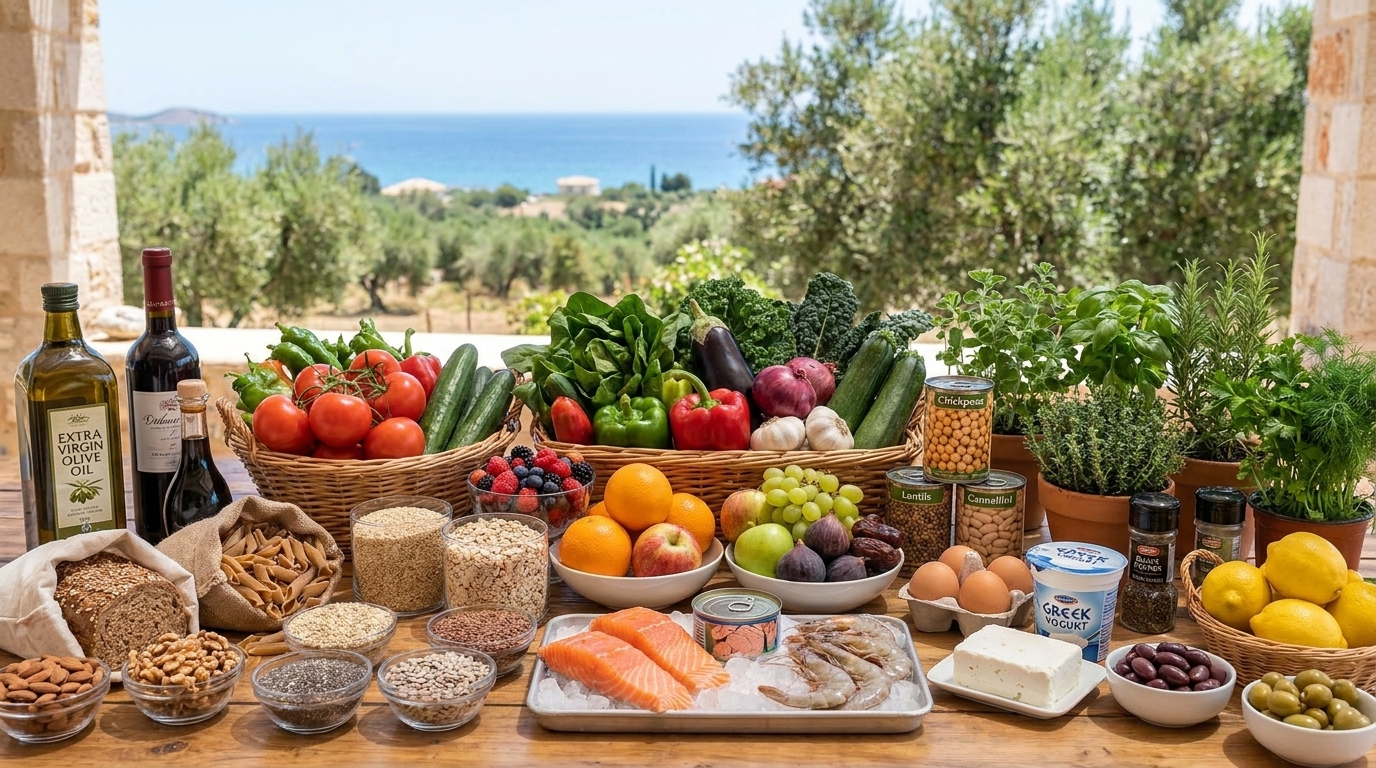
To kickstart your Mediterranean diet journey, stock your kitchen with these essential ingredients. Having them on hand will make meal prep a breeze!
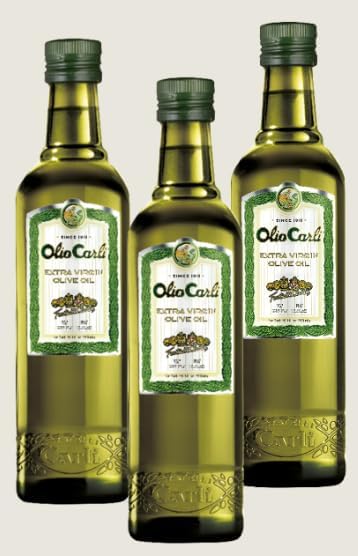
- Extra Virgin Olive Oil: The cornerstone of Mediterranean cooking. Look for a high-quality bottle.
- Fresh Vegetables: Tomatoes, cucumbers, bell peppers, spinach, kale, zucchini, eggplant, onions, garlic.
- Fresh Fruits: Berries, oranges, apples, grapes, figs, dates.
- Whole Grains: Whole wheat bread, whole wheat pasta , quinoa, brown rice, oats.
- Legumes: Chickpeas, lentils, cannellini beans (canned or dried).
- Nuts and Seeds: Almonds, walnuts, chia seeds, flax seeds, sunflower seeds.
- Fish and Seafood: Salmon, tuna, sardines, shrimp (fresh or frozen).
- Lean Proteins: Chicken breast, eggs, Greek yogurt, feta cheese.
- Herbs and Spices: Oregano, basil, thyme, rosemary, parsley, dill, black pepper.
- Olives: Kalamata or green olives.
- Lemon: Fresh lemons for juice and zest.
- Vinegars: Red wine vinegar, balsamic vinegar.
Don’t forget some sturdy food storage containers for your meal prepping!
Product Spotlight
Step-by-Step Instructions
What is the Mediterranean Diet?
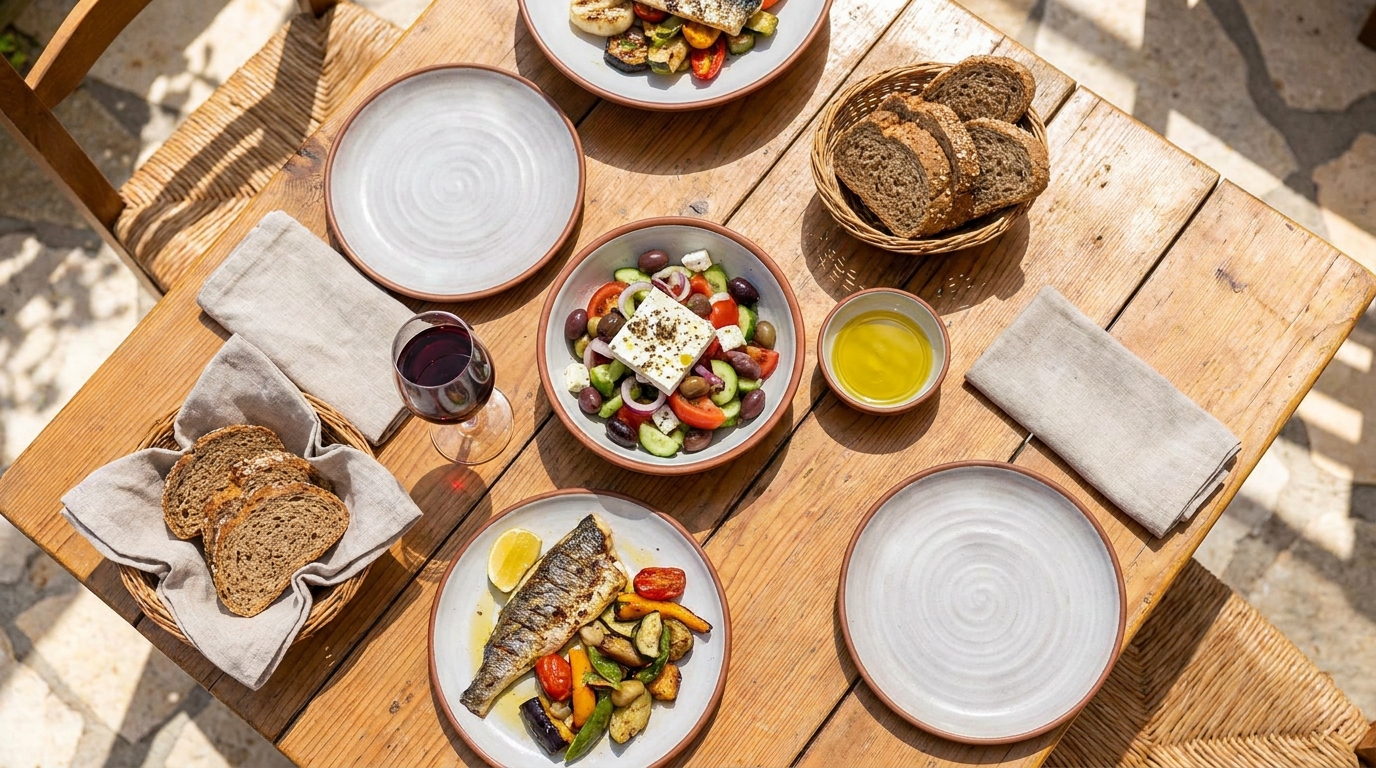
The Mediterranean diet is inspired by the traditional eating habits of people living in countries bordering the Mediterranean Sea, such as Greece, Italy, and Spain. It’s characterized by a high intake of:
- Fruits and Vegetables: Abundant and varied, forming the base of most meals.
- Whole Grains: Bread, pasta, rice, and other grains in their least processed forms.
- Legumes: Beans, lentils, and chickpeas are staples.
- Nuts and Seeds: Healthy snacks and additions to meals.
- Olive Oil: The primary source of fat, used generously for cooking and dressing.
- Fish and Seafood: Consumed regularly, at least twice a week.
- Poultry: Eaten in moderate amounts.
- Dairy: Yogurt and cheese are consumed in moderation.
- Red Meat: Limited to occasional consumption.
- Herbs and Spices: Used to flavor food instead of salt.
- Water: The main beverage, with moderate wine consumption (especially red wine with meals) being optional.
Benefits of the Mediterranean Diet
Adopting a Mediterranean eating pattern offers a wealth of health advantages, supported by extensive research:
- Heart Health: Reduces the risk of heart disease and stroke by lowering bad cholesterol and blood pressure.
- Weight Management: Rich in fiber and healthy fats, it promotes satiety and can aid in healthy weight loss.
- Brain Health: May protect against cognitive decline and reduce the risk of neurodegenerative diseases.
- Blood Sugar Control: Helps regulate blood sugar levels, beneficial for preventing and managing Type 2 Diabetes.
- Anti-Inflammatory Properties: The abundance of antioxidants and healthy fats helps combat chronic inflammation.
- Longevity: Associated with a longer, healthier lifespan.
For more delicious and healthy options, check out our Mediterranean Diet Recipes!
Your Simple 7-Day Mediterranean Diet Meal Plan for Beginners
Ingredients
- Extra Virgin Olive Oil
- Fresh Vegetables (e.g., tomatoes, cucumbers, bell peppers, spinach, zucchini)
- Fresh Fruits (e.g., berries, oranges, apples, grapes)
- Whole Grains (e.g., whole wheat bread, whole wheat pasta, quinoa, brown rice, oats)
- Legumes (e.g., chickpeas, lentils, cannellini beans)
- Nuts and Seeds (e.g., almonds, walnuts, chia seeds, flax seeds)
- Fish and Seafood (e.g., salmon, tuna, sardines, shrimp)
- Lean Proteins (e.g., chicken breast, eggs, Greek yogurt, feta cheese)
- Herbs and Spices (e.g., oregano, basil, thyme, rosemary, parsley, dill)
- Olives (Kalamata or green)
- Lemons
- Vinegars (Red wine vinegar, balsamic vinegar)
Instructions
Day 1: Fresh Start
- Breakfast: Greek yogurt with berries, a drizzle of honey, and a sprinkle of chia seeds.
- Lunch: Large mixed green salad with chickpeas, cucumber, cherry tomatoes, Kalamata olives, and a lemon-tahini dressing.
- Dinner: Crispy Baked Salmon Fillets with roasted asparagus and quinoa.
- Snack: An apple with a small handful of almonds.
Day 2: Wholesome & Hearty
- Breakfast: Whole-grain toast topped with mashed avocado and a sprinkle of red pepper flakes.
- Lunch: Leftover salmon and quinoa salad from Day 1.
- Dinner: Lentil soup with a side of whole-grain bread and a small side salad. (For a similar hearty soup, check out this Hearty Lentil Soup Recipe).
- Snack: A handful of walnuts and a few dried figs.
Day 3: Plant-Powered Flavors
- Breakfast: Oatmeal cooked with water or unsweetened almond milk, topped with sliced banana and a spoonful of almond butter.
- Lunch: Whole-wheat pita bread filled with homemade hummus, sliced cucumber, bell peppers, and spinach.
- Dinner: Vegetarian stuffed bell peppers with quinoa, tomatoes, and herbs.
- Snack: A small container of plain Greek yogurt.
Day 4: Seafood & Sunshine
- Breakfast: Scrambled eggs with spinach and a slice of whole-grain toast.
- Lunch: Tuna salad (made with olive oil and lemon juice, not mayo) on a bed of mixed greens.
- Dinner: Grilled chicken breast with a large Greek salad (lettuce, tomatoes, cucumbers, red onion, feta, olives, olive oil, and oregano).
- Snack: A handful of baby carrots and a few tablespoons of hummus.
Day 5: Grain & Greens
- Breakfast: Smoothie made with unsweetened almond milk, spinach, half a banana, and a tablespoon of flax seeds. (Use a high-quality blender [PRODUCT_AFFILIATE_LINK_4] for best results!)
- Lunch: Leftover grilled chicken and Greek salad from Day 4.
- Dinner: Whole-wheat pasta with a simple tomato sauce, plenty of vegetables (zucchini, bell peppers), and a sprinkle of Parmesan cheese.
- Snack: A small bunch of grapes.
Day 6: Weekend Flavors
- Breakfast: Whole-grain toast with a hard-boiled egg and sliced tomatoes.
- Lunch: Large salad with mixed greens, a small can of sardines (packed in olive oil), cherry tomatoes, and a light vinaigrette.
- Dinner: Homemade pizza on a whole-wheat crust with tomato sauce, plenty of vegetables (mushrooms, onions, bell peppers), and a modest amount of mozzarella cheese.
- Snack: An orange.
Day 7: Relax & Recharge
- Breakfast: Greek yogurt with a variety of fresh fruits (e.g., melon, berries) and a sprinkle of chopped walnuts.
- Lunch: Leftover whole-wheat vegetable pizza from Day 6.
- Dinner: Sheet pan chicken and roasted vegetables (broccoli, sweet potatoes, zucchini) seasoned with olive oil, lemon, and herbs.
- Snack: A handful of mixed nuts and seeds.
FAQ Section
Is the Mediterranean diet good for weight loss?
Do I have to give up red meat entirely on the Mediterranean diet?
Can I drink coffee and alcohol on the Mediterranean diet?
What if I have dietary restrictions or allergies?
Pin This Review For Later
Save this honest buying guide & pros/cons summary directly to your Pinterest Kitchen or Gadgets board!