Affiliate Disclosure: This post may contain affiliate links. If you make a purchase through these links, we may earn a commission at no extra cost to you. For more information, please see our affiliate disclosure.
Ingredients
Here’s what you’ll need to whip up these amazing Gochujang noodles:
- 8 oz (225g) ramen noodles, udon, or spaghetti
- 2 tablespoons Gochujang (Korean chili paste)
- 2 tablespoons soy sauce
- 1 tablespoon sesame oil
- 1 tablespoon brown sugar or honey
- 1 tablespoon rice vinegar
- 2 cloves garlic, minced
- 1/4 cup water or vegetable broth
- 2 green onions, chopped, for garnish
- 1 teaspoon sesame seeds, for garnish
- Optional additions: Cooked protein (chicken, tofu, shrimp), spinach, mushrooms, soft-boiled egg
Product Spotlight

Step-by-Step Instructions
-
Cook the Noodles
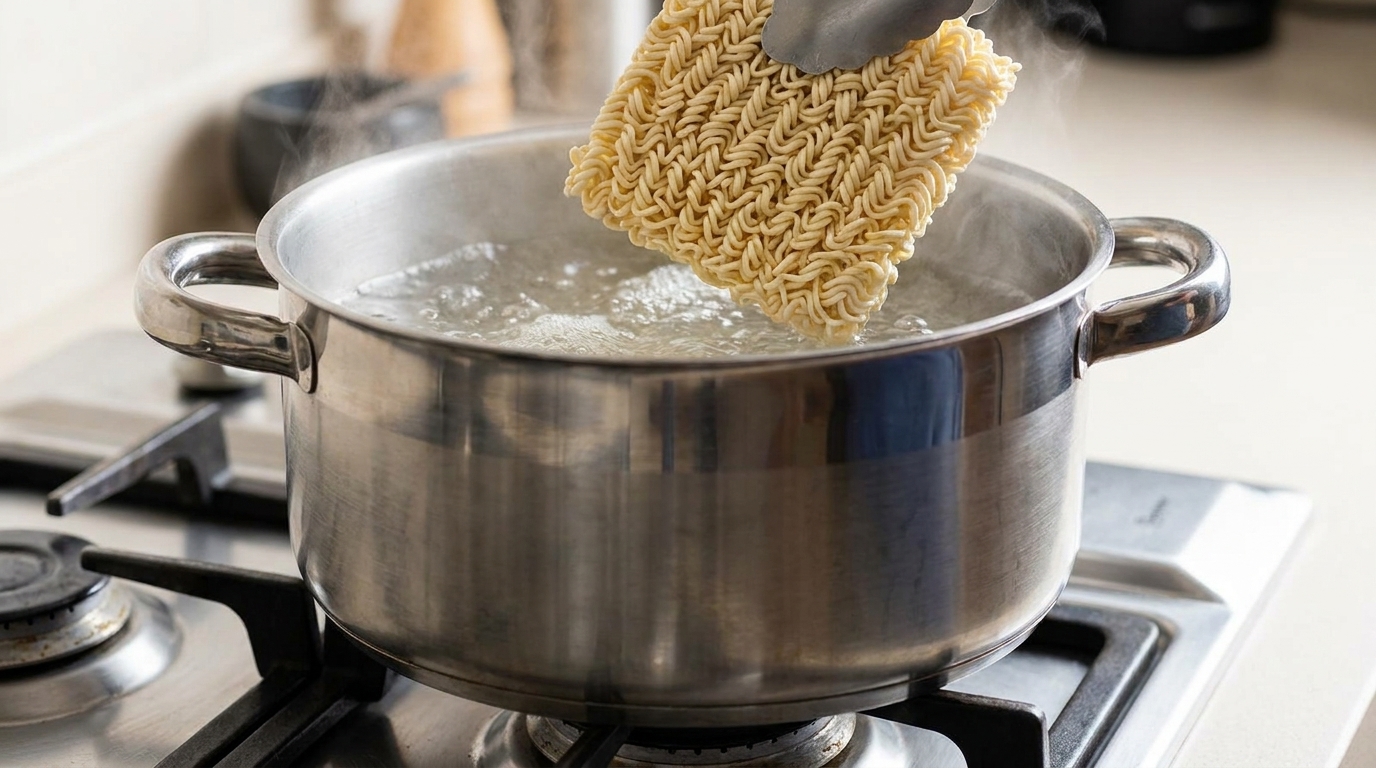
First, cook your noodles according to package directions. Whether you’re using instant ramen noodles (discard the seasoning packet), udon, or even spaghetti, aim for al dente. Once cooked, drain them thoroughly and set aside.
-
Prepare the Gochujang Sauce
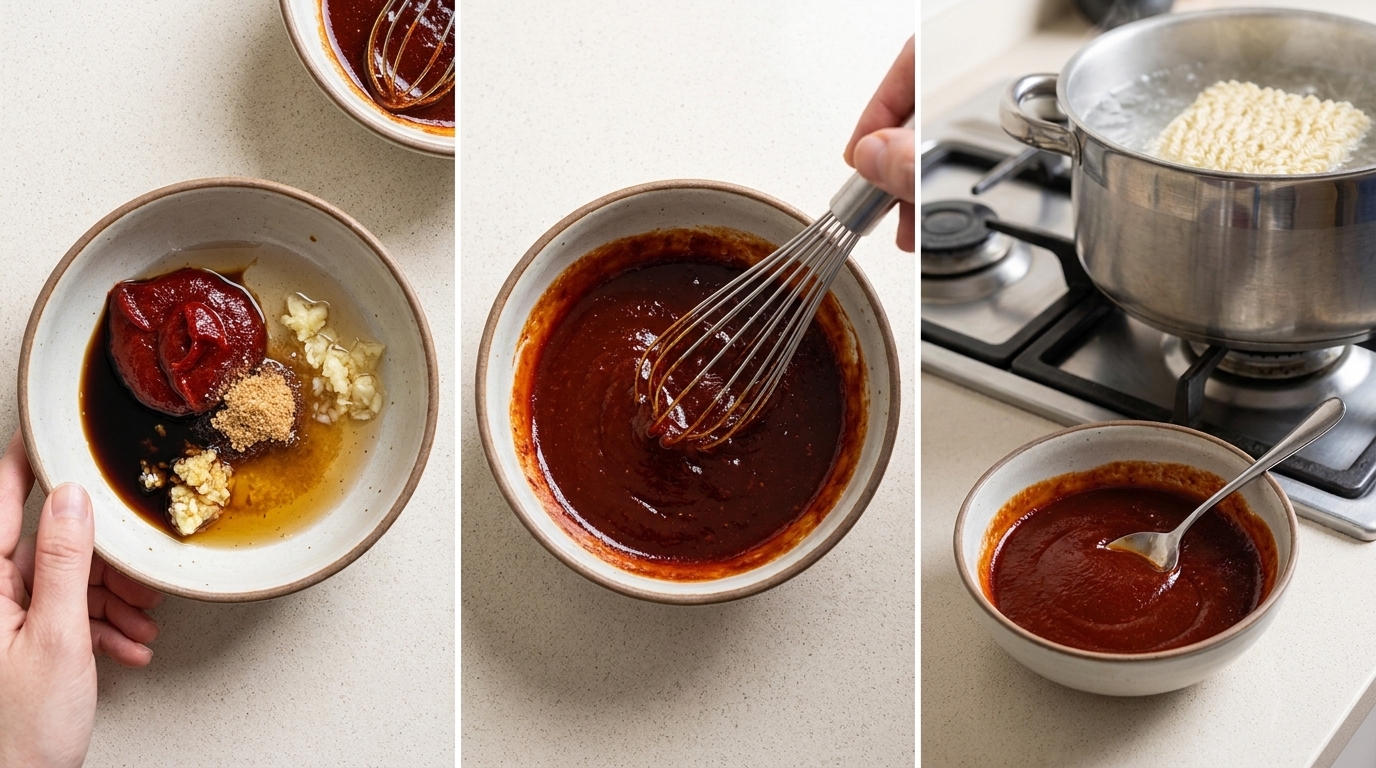
While the noodles are cooking, prepare your irresistible Gochujang sauce. In a small bowl, combine the Gochujang , soy sauce, sesame oil , brown sugar (or honey), rice vinegar, minced garlic , and water (or broth). Whisk everything together until the sauce is smooth and well combined. Taste and adjust sweetness or spice if desired.
-
Combine Noodles and Sauce
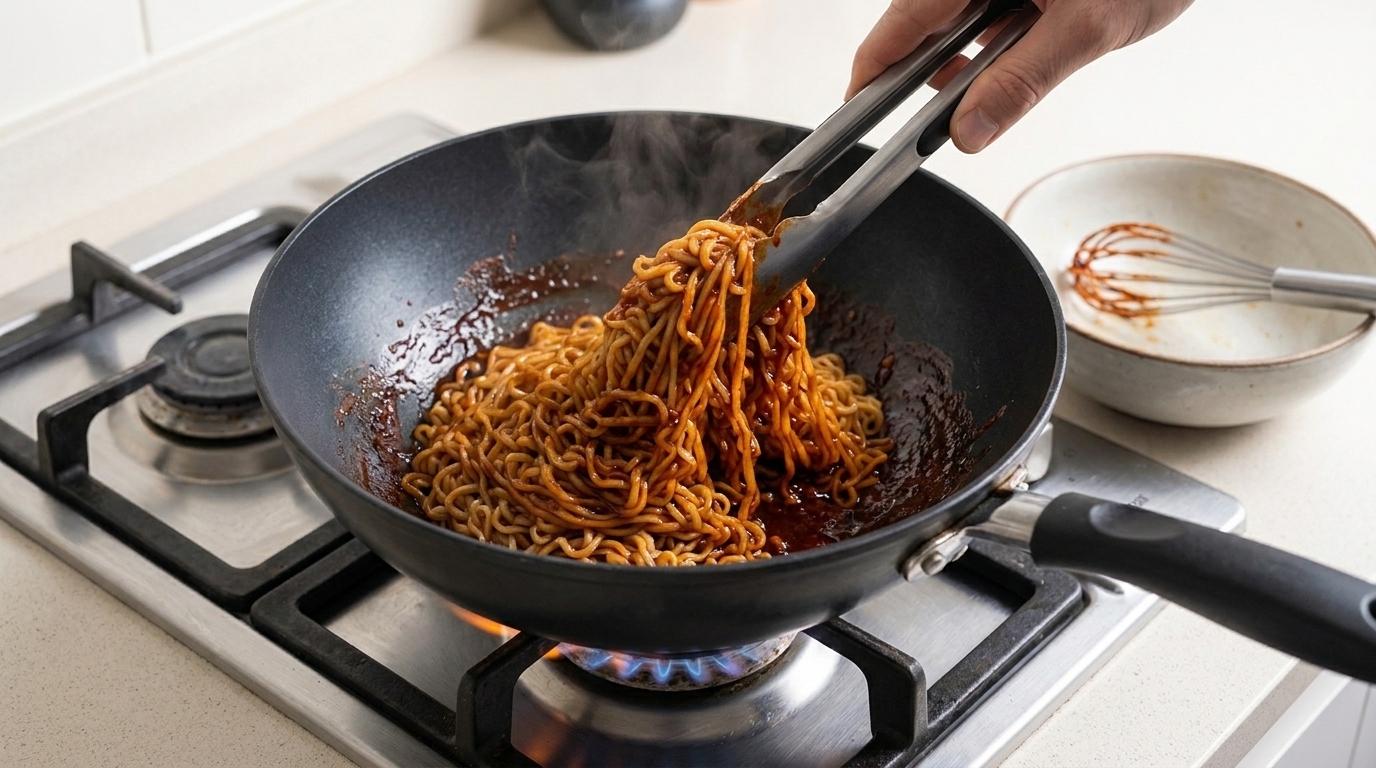
Heat a large non-stick pan or wok over medium heat. Add the drained noodles and pour the prepared Gochujang sauce over them. Toss continuously for 1-2 minutes, ensuring every noodle strand is evenly coated and the sauce slightly thickens. For more inspiration on Asian-inspired dishes, check out our Bibimbap Recipe Korean Rice Bowl.
-
Garnish and Serve
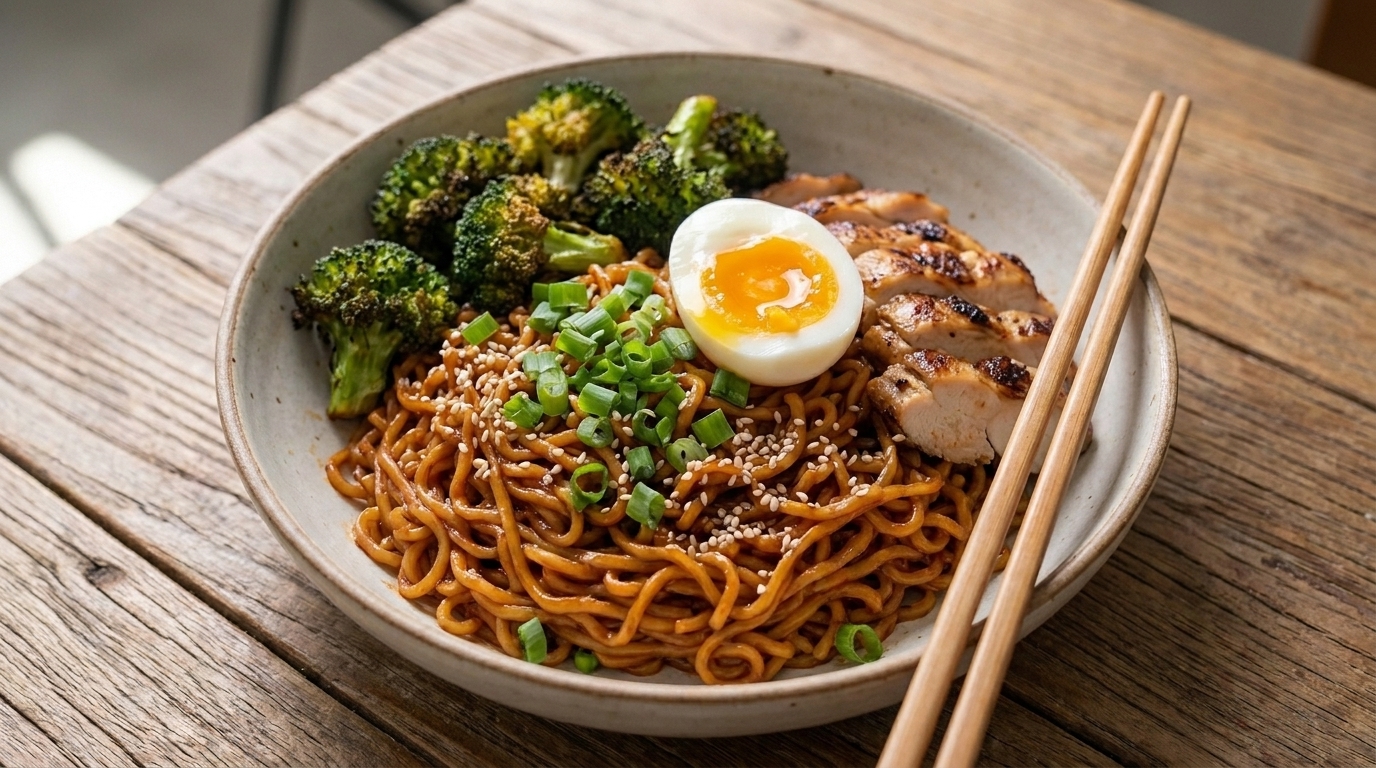
Transfer the saucy Gochujang noodles to serving bowls. Garnish generously with chopped green onions and a sprinkle of sesame seeds. If you’re adding optional ingredients like a soft-boiled egg, cooked protein, or sautéed vegetables (like Crispy Air Fryer Broccoli Florets), now is the time to add them. Serve immediately and enjoy the burst of Korean flavor!
Variations and Additions
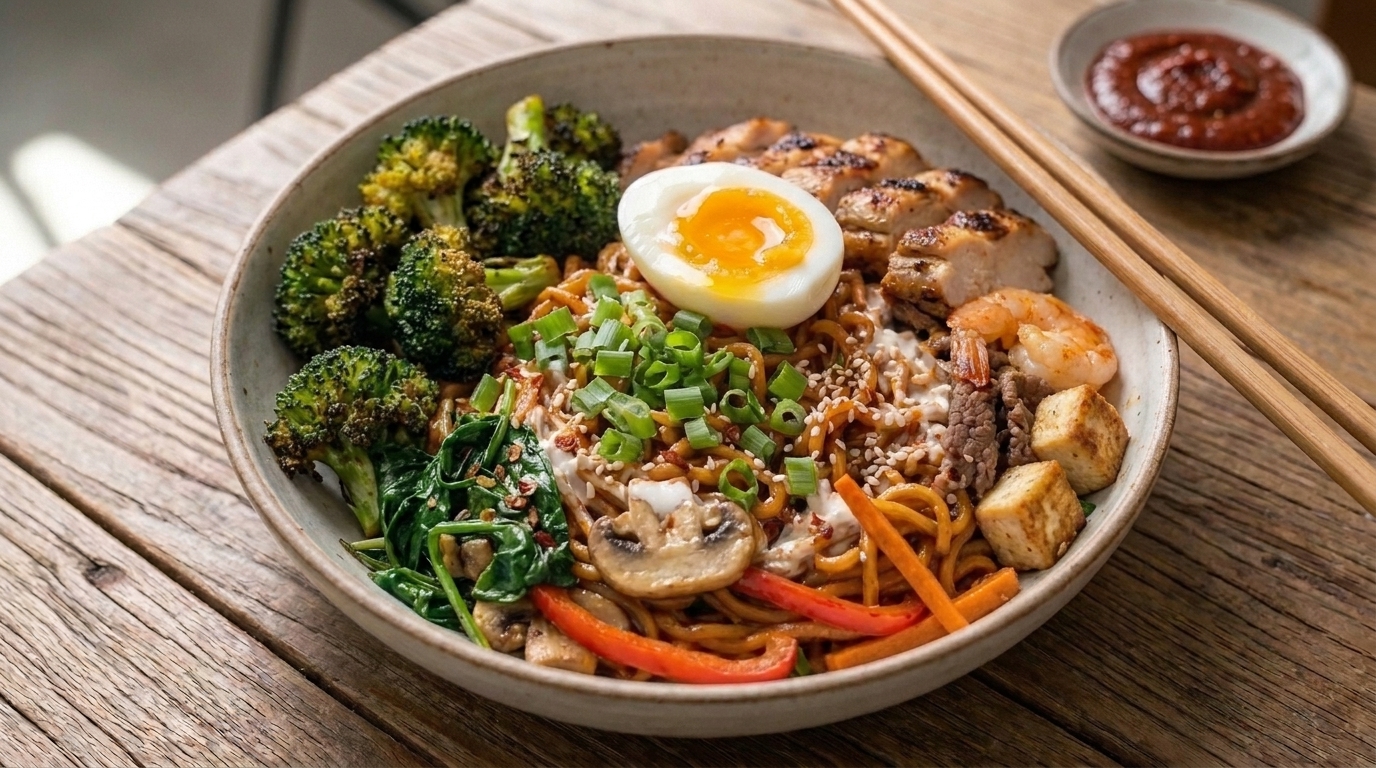
This Gochujang noodles recipe is a fantastic base for customization. Here are some ideas to make it your own:
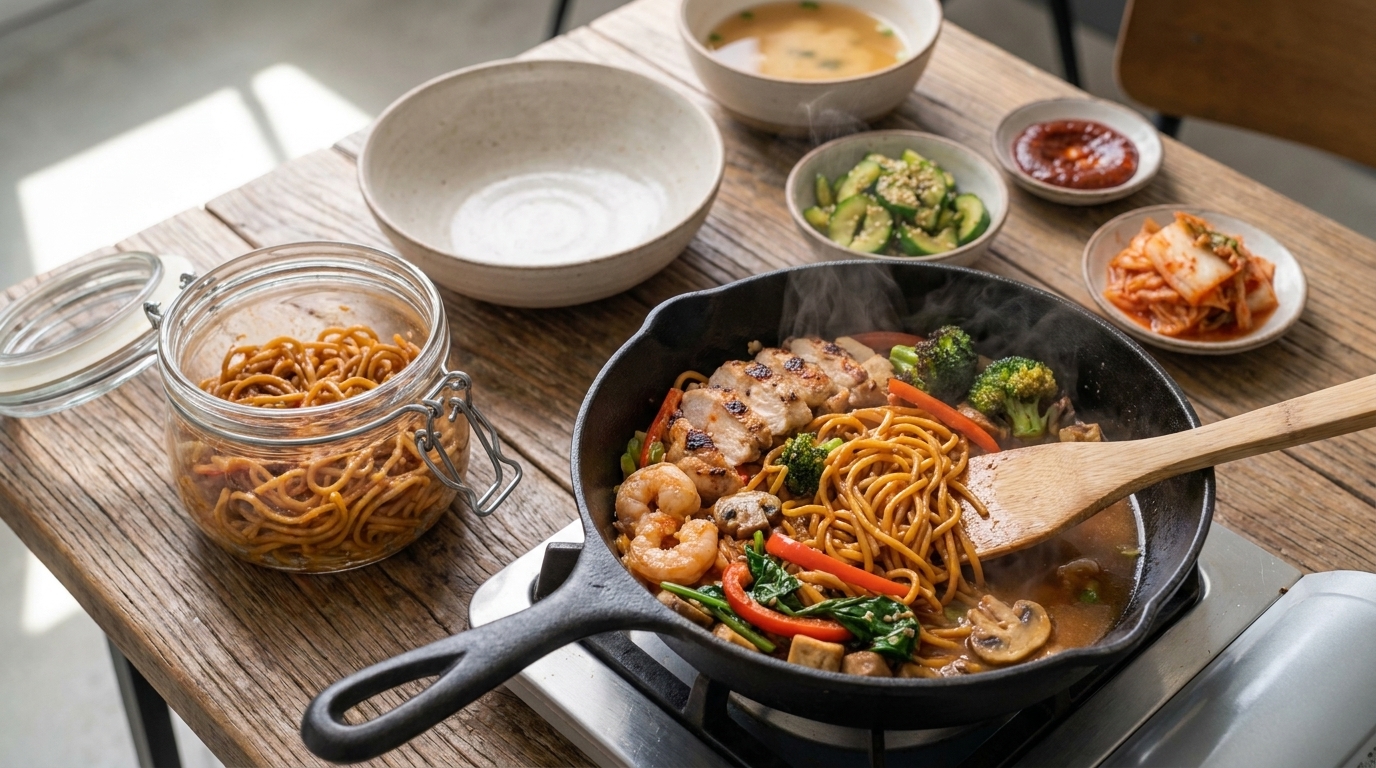
- Protein Power: Add cooked chicken, beef, tofu, shrimp, or even a fried egg for extra protein.
- Veggie Boost: Stir in sautéed spinach, mushrooms, bell peppers, carrots, or broccoli during the last minute of cooking the noodles with the sauce.
- Extra Spice: If you love heat, add a pinch of red pepper flakes to the sauce.
- Creamy Texture: A splash of milk or a dollop of cream cheese can add a lovely creaminess to the sauce.
Serving Suggestions
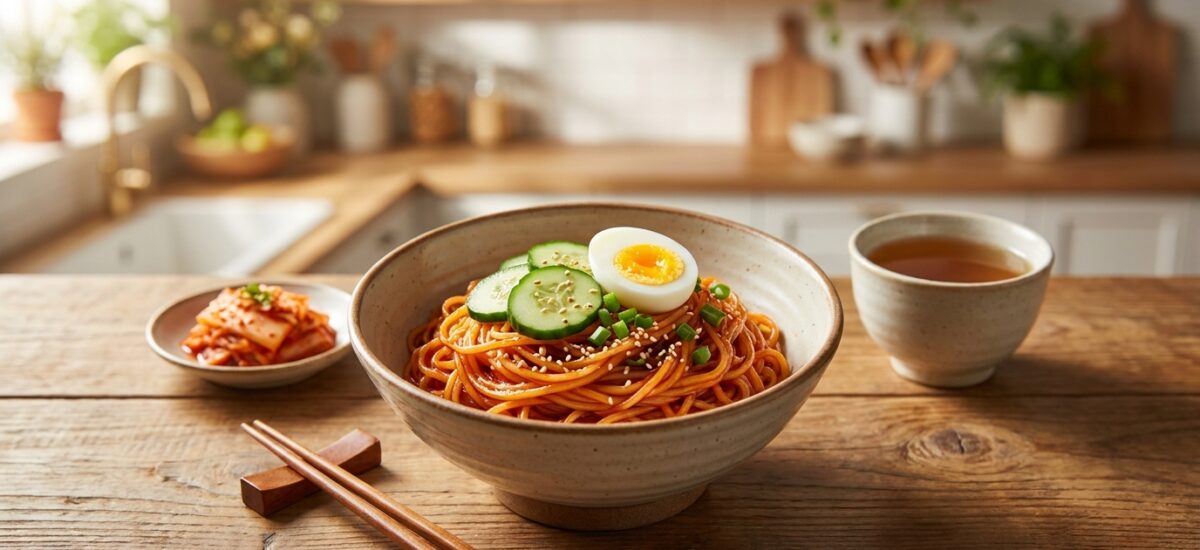
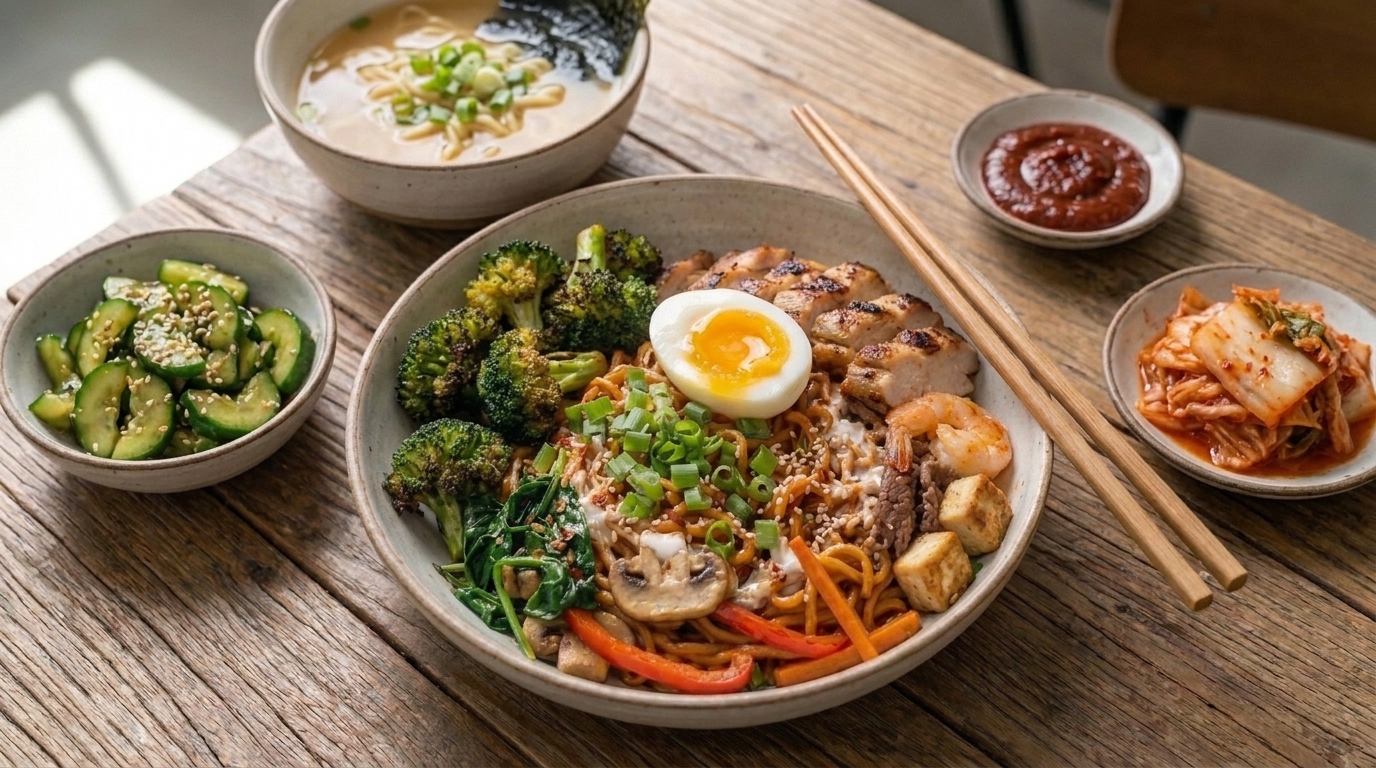
These spicy Gochujang noodles are hearty enough to be a meal on their own, but they also pair wonderfully with a simple side. Consider serving them with a refreshing cucumber salad, kimchi, or a light broth like our Ramen Recipe for a more complete meal. For another quick and satisfying meal, explore our Noodle Soup Recipe.
Storage and Reheating
Leftover Gochujang noodles can be stored in an airtight container in the refrigerator for up to 3 days. To reheat, simply microwave them for 1-2 minutes, stirring halfway through, or gently warm them in a pan with a splash of water or broth to loosen the sauce.
Tips for Perfect Gochujang Noodles
- Don’t Overcook Noodles: Al dente noodles are key for the best texture and to prevent them from becoming mushy when coated in sauce.
- Adjust Spice: Gochujang varies in heat. Start with the recommended amount and add more if you prefer it spicier.
- Fresh Garlic is Best: While garlic powder can work in a pinch, fresh minced garlic provides the best flavor for the sauce. Use a good quality garlic press for ease.
- Sweetener Balance: The brown sugar or honey balances the heat and savory notes of the Gochujang. Don’t skip it!
- Quality Gochujang: The flavor of your noodles heavily relies on the quality of the Gochujang. Look for a reputable Korean brand for the best results, as suggested by sources like The Brilliant Kitchen and Amy’s Dish.
- Explore Noodle Types: While ramen is quick, try udon for a chewier texture or even rice noodles for a gluten-free option. Many recipes, including those on Zestful Kitchen and Moon and Spoon and Yum, encourage experimentation.
- Don’t Forget the Garnish: Green onions and sesame seeds add crucial freshness and texture.
Spicy Gochujang Noodles: Your New Favorite 10-Minute Korean Noodle Recipe
Ingredients
- 8 oz (225g) ramen noodles, udon, or spaghetti
- 2 tablespoons Gochujang (Korean chili paste)
- 2 tablespoons soy sauce
- 1 tablespoon sesame oil
- 1 tablespoon brown sugar or honey
- 1 tablespoon rice vinegar
- 2 cloves garlic, minced
- 1/4 cup water or vegetable broth
- 2 green onions, chopped, for garnish
- 1 teaspoon sesame seeds, for garnish
- Optional additions: Cooked protein (chicken, tofu, shrimp), spinach, mushrooms, soft-boiled egg
Instructions
- First, cook your noodles according to package directions. Whether you’re using instant ramen noodles (discard the seasoning packet), udon, or even spaghetti, aim for al dente. Once cooked, drain them thoroughly and set aside.
- While the noodles are cooking, prepare your irresistible Gochujang sauce. In a small bowl, combine the Gochujang, soy sauce, sesame oil, brown sugar (or honey), rice vinegar, minced garlic, and water (or broth). Whisk everything together until the sauce is smooth and well combined. Taste and adjust sweetness or spice if desired.
- Heat a large non-stick pan or wok over medium heat. Add the drained noodles and pour the prepared Gochujang sauce over them. Toss continuously for 1-2 minutes, ensuring every noodle strand is evenly coated and the sauce slightly thickens. For more inspiration on Asian-inspired dishes, check out our Bibimbap Recipe Korean Rice Bowl.
- Transfer the saucy Gochujang noodles to serving bowls. Garnish generously with chopped green onions and a sprinkle of sesame seeds. If you’re adding optional ingredients like a soft-boiled egg, cooked protein, or sautéed vegetables (like Crispy Air Fryer Broccoli Florets), now is the time to add them. Serve immediately and enjoy the burst of Korean flavor!
FAQ Section
What kind of noodles are best for Gochujang noodles?
Is Gochujang very spicy?
Can I make this recipe vegetarian or vegan?
Conclusion
This Spicy Gochujang Noodles recipe is more than just a meal; it’s an experience. It proves that incredible flavor doesn’t have to come with a hefty time commitment. In just 10 minutes, you can transport your taste buds to Korea with a bowl of perfectly balanced, spicy, and satisfying noodles. So next time you’re short on time but big on hunger, reach for that jar of Gochujang and get cooking. You won’t regret it!
Pin This Recipe For Later
Save this delicious homemade recipe & step-by-step cooking guide directly to your Pinterest board!