Affiliate Disclosure: This post may contain affiliate links. If you make a purchase through these links, we may earn a commission at no extra cost to you. For more information, please see our affiliate disclosure.
In today’s fast-paced world, finding time for healthy, home-cooked meals can feel like an impossible task. Between work, family, and social commitments, convenience often triumphs over nutrition, leading to takeout menus and unhealthy choices. But what if there was a simple, effective way to reclaim your kitchen, save money, and consistently enjoy delicious, nutritious food? Enter meal prep – your ultimate solution for a stress-free week. For more culinary inspiration, explore the diverse range of food and recipes available on Food Jot.
Meal prepping isn’t just a trend; it’s a lifestyle hack that empowers you to take control of your diet and schedule. By dedicating a few hours each week, you can dramatically reduce daily cooking time, cut down on grocery bills, and ensure you always have a wholesome option readily available. Imagine breezing through your busy week knowing that healthy breakfasts, lunches, and dinners are already waiting for you.
This comprehensive beginner’s guide will walk you through everything you need to know to start your meal prep journey with confidence. From understanding different methods and choosing the right tools to mastering food safety and smart planning, we’ll equip you with the knowledge to make meal prep an enjoyable and sustainable part of your routine. Let’s transform your approach to eating!
Ingredients
- Cooked meats (chicken, beef, turkey)
- Cooked vegetables (roasted broccoli, steamed green beans, sautéed zucchini)
- Cooked grains and beans (quinoa, brown rice, lentils)
- Cooked rice and pasta
- Hardier vegetables (carrots, peppers, celery, peas, cabbage)
- Whole fruits (apples, oranges, berries)
- Cheese (shredded or blocks)
- Nuts and seeds
- Sauces, dressings, and dips (like hummus)
- Softer fruits and vegetables (add closer to consumption)
- Crunchier items (crisps, crackers, fried foods – add closer to consumption)
- Leftover meals
- Overnight oats ingredients (recipe here)
- Pancakes (fluffy pancake recipe)
- Egg muffins
- Frittatas (delicious frittata recipe)
- Wraps
- Subs
- Salads
- Chilli
- Pasta
- Stew
- Pizza
- Garlic
- Onions
- Protein sources (e.g., chicken, fish, tofu, legumes)
Product Spotlight
Step-by-Step Instructions
Here’s how to master meal prepping, step by step, ensuring delicious and convenient meals all week long. Remember, consistency and enjoyment are your best motivators!
Step 1: Define Your Meal Prep Style
Begin your meal prep journey by deciding whether to prepare whole meals, partial meals, or just ingredients in advance. This flexibility allows you to tailor meal prep to your schedule and cooking comfort level, maximizing time and cost savings. Even small steps, like prepping breakfast, can make a big difference.
Step 2: Explore Meal Prep Methods
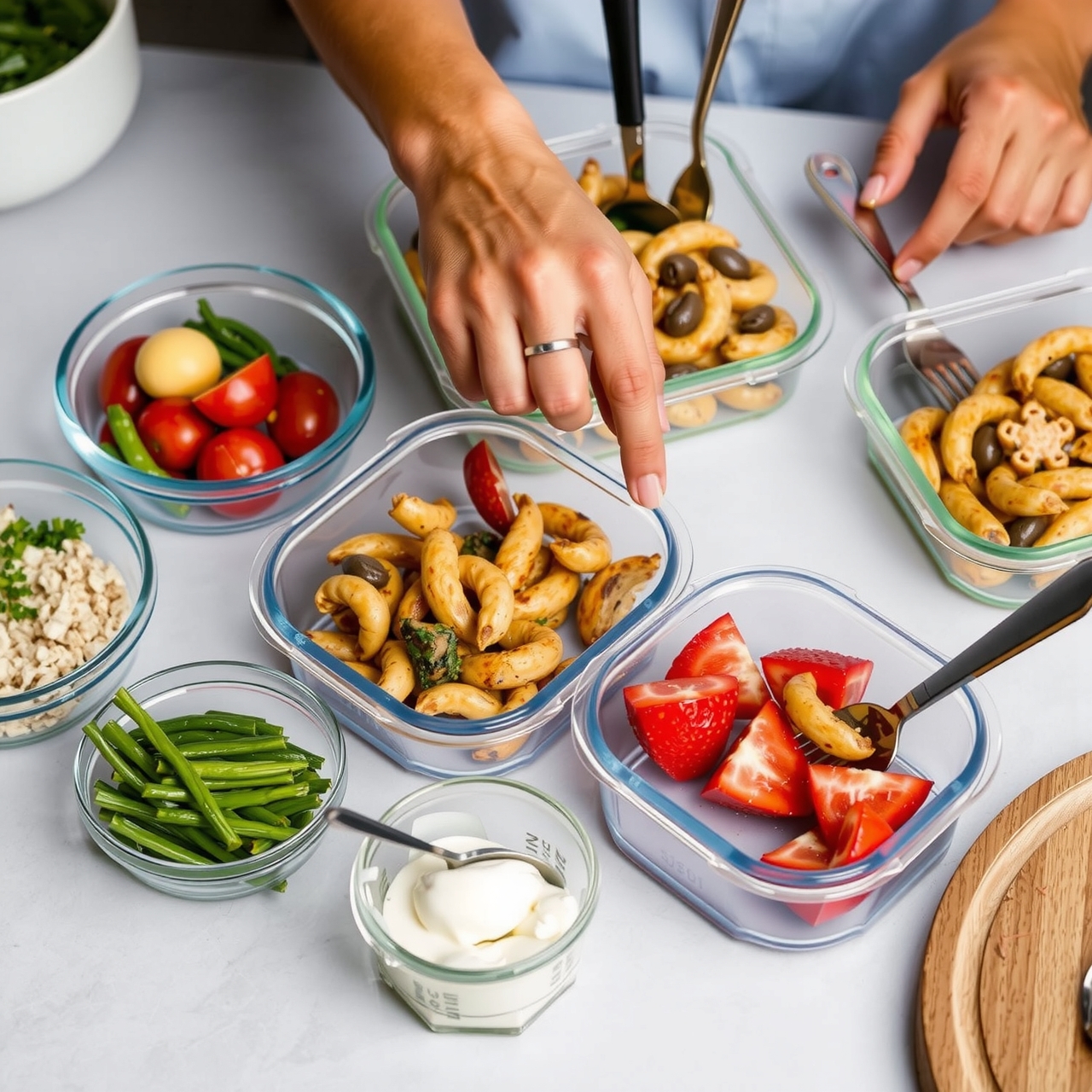
Explore different meal prep methods to find what suits you best. Batch cooking involves preparing large quantities of one dish. Make-ahead meals are complete dishes ready to reheat. Individually portioned meals are single servings for convenience. Ready-to-cook ingredients mean chopping vegetables or marinating meats ahead of time. Each method offers unique advantages for busy individuals.
Step 3: Start Small and Build Confidence
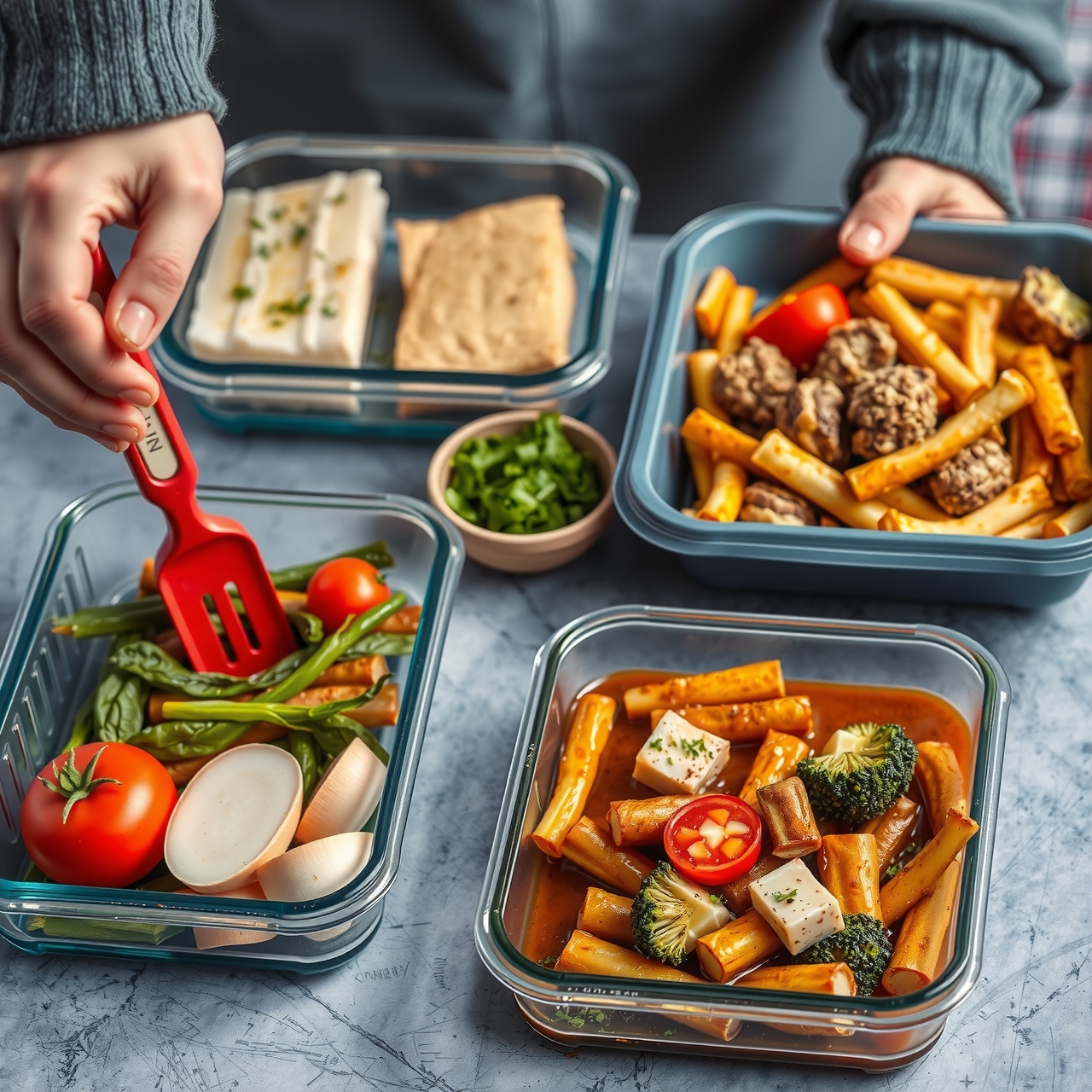
Don’t feel pressured to overhaul your entire eating routine overnight. Begin gradually by boxing up leftovers from dinner for the next day’s lunch, or focus on prepping just one meal type, such as breakfast. Simple options like overnight oats or frittatas are excellent starting points to build confidence.
Step 4: Cultivate Your Cooking Skills
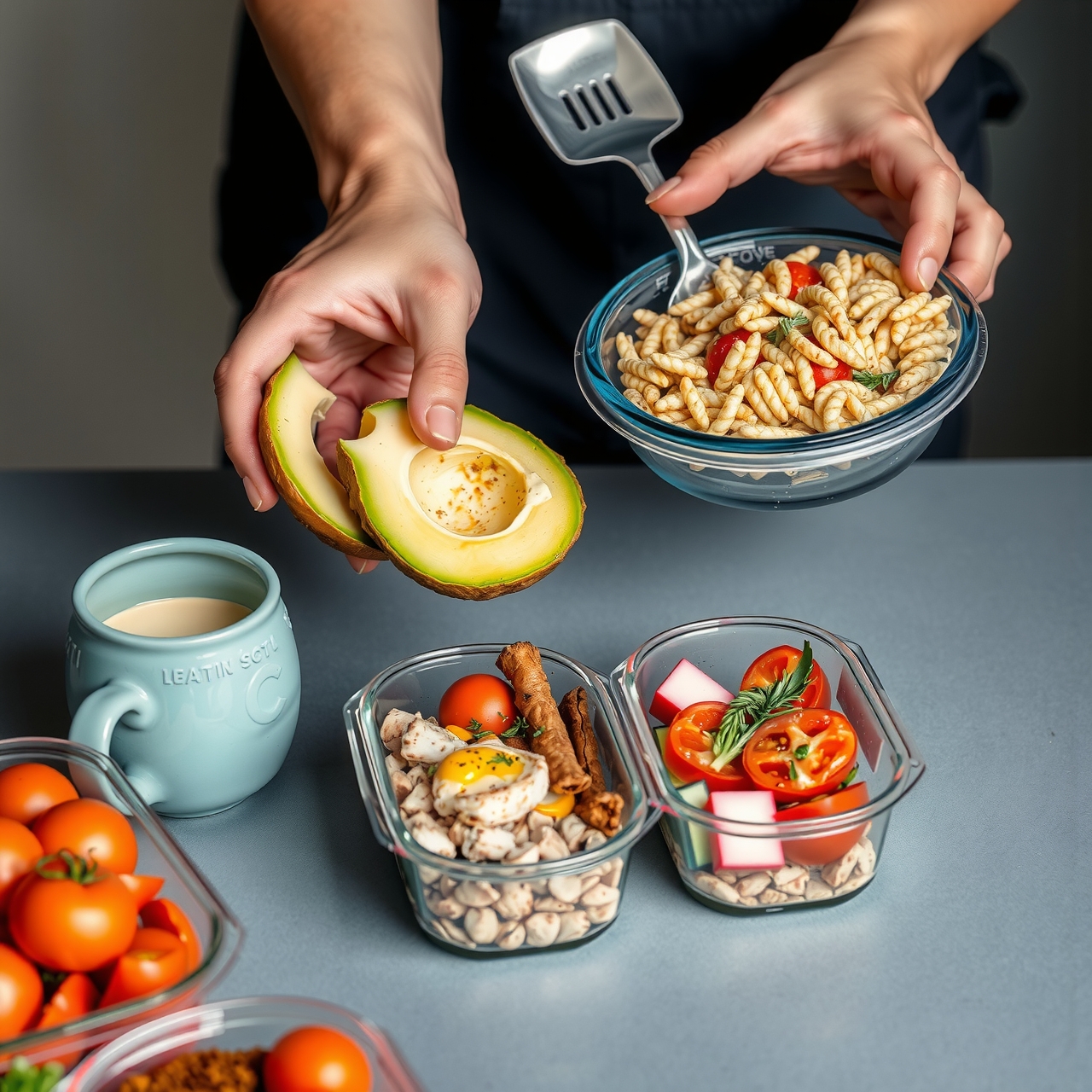
Meal prepping is also an opportunity to enhance your culinary skills. As you consistently prepare meals, you’llónaturally become more efficient with chopping, seasoning, and cooking techniques. Start with simple recipes and gradually challenge yourself with more complex dishes, building your confidence in the kitchen step by step.
Step 5: Invest in Quality Storage Containers
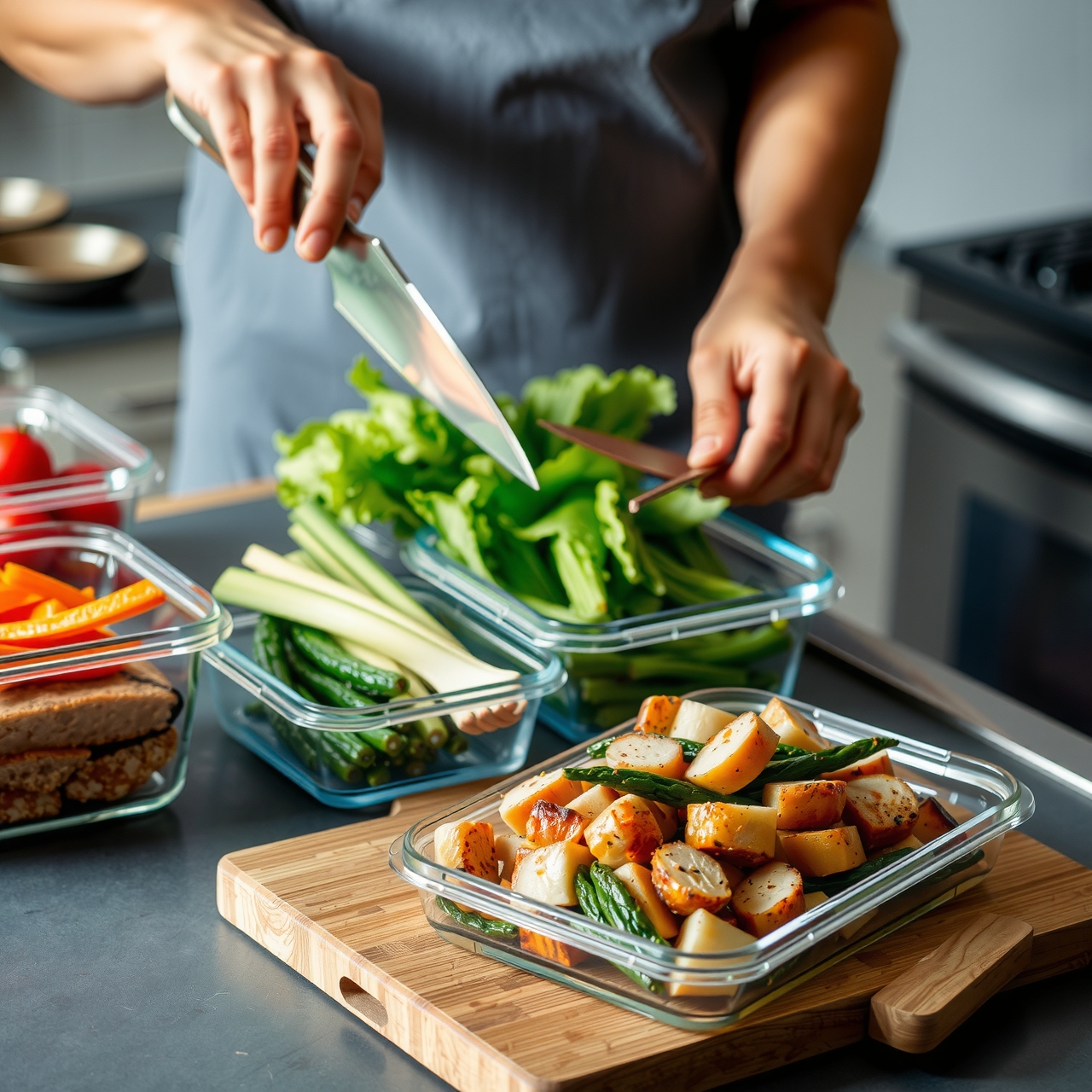
The foundation of successful meal prep lies in reliable food storage. Invest in durable, high-quality containers that are airtight, waterproof, freezer-safe, and microwave-safe. Glass containers are often preferred for their longevity and ease of cleaning, while BPA-free plastic options offer portability. Proper containers prevent spoilage and keep your food fresh.
Step 6: Choose Enjoyable Recipes
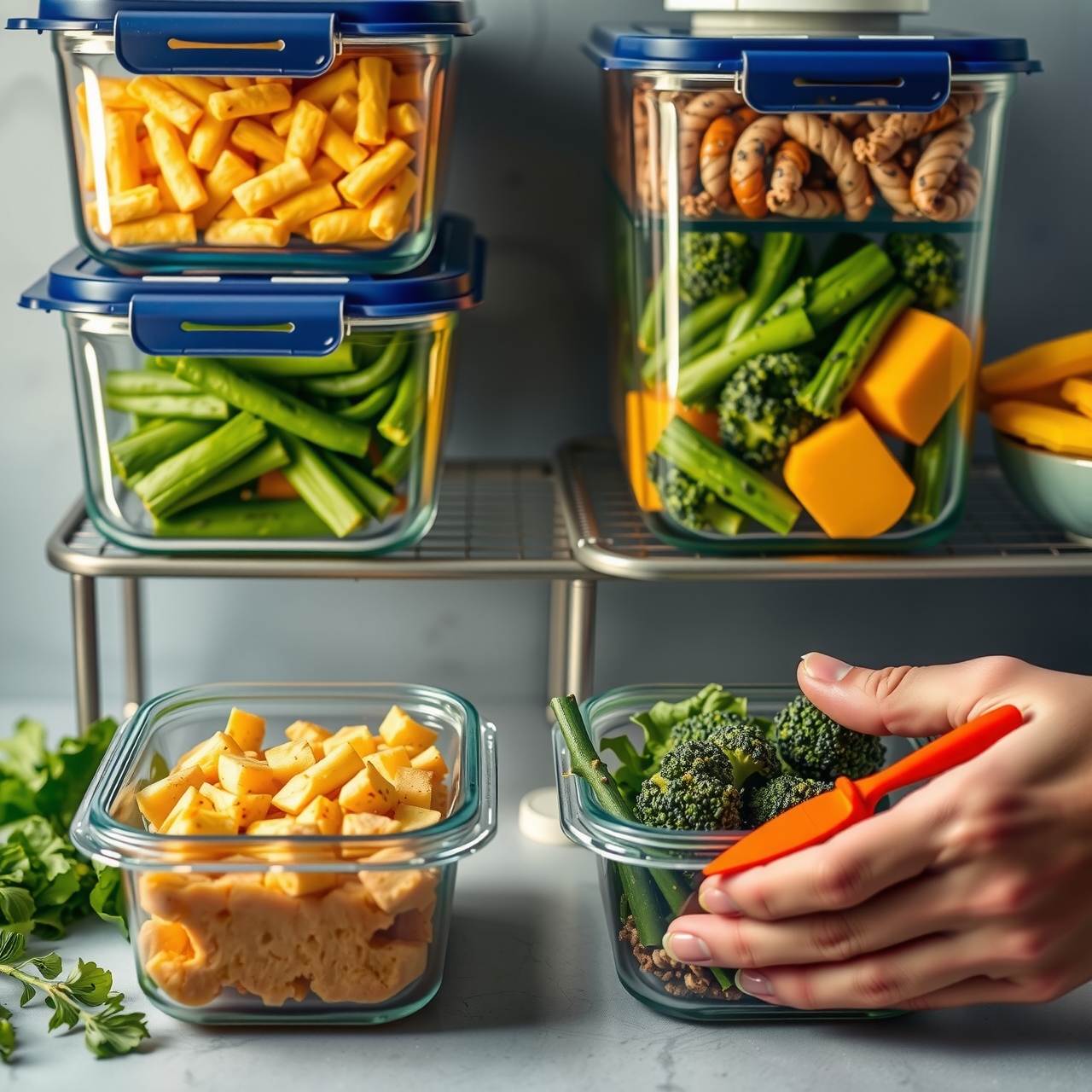
To maintain motivation, select recipes that you genuinely enjoy eating and are comfortable preparing. Don’t force yourself to eat bland or complicated meals. As you become more adept, gradually introduce new recipes and expand your repertoire. This approach ensures meal prep remains a sustainable and enjoyable habit.
Step 7: Schedule Your Prep Time
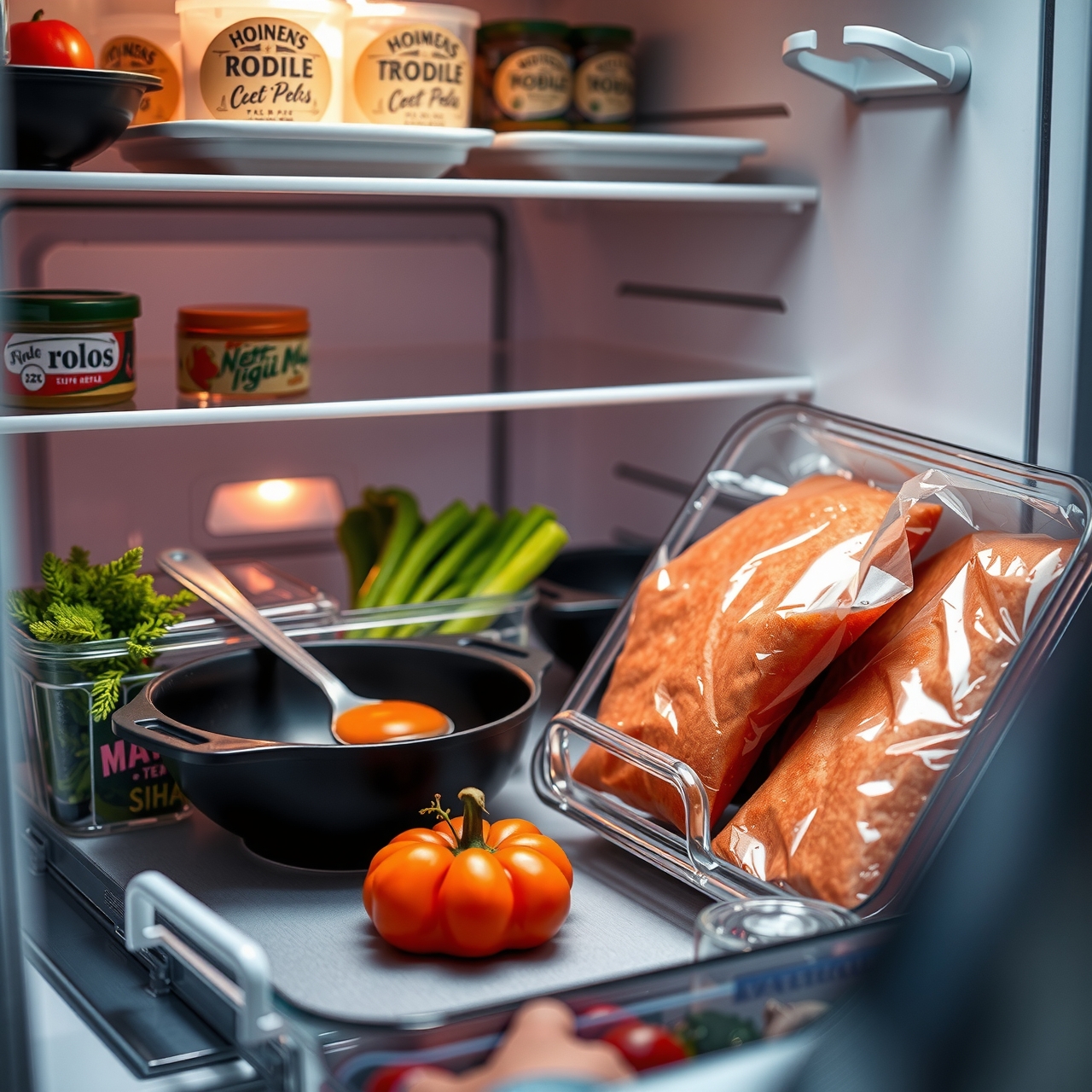
Consistency is key to meal prep success. Designate a specific block of time each week for planning your meals, creating a grocery list, shopping, and preparing your food. Treating this time as a non-negotiable appointment will help establish a routine and ensure you’re always prepared for the week ahead.

Step 8: Implement Rapid Cooling
Food safety is paramount. After cooking, ensure you quickly chill all prepared foods within two hours to prevent bacterial growth. Divide large portions into smaller, shallow containers to help them cool down faster before refrigerating or freezing.
Step 9: Maintain Optimal Fridge and Freezer Temperatures
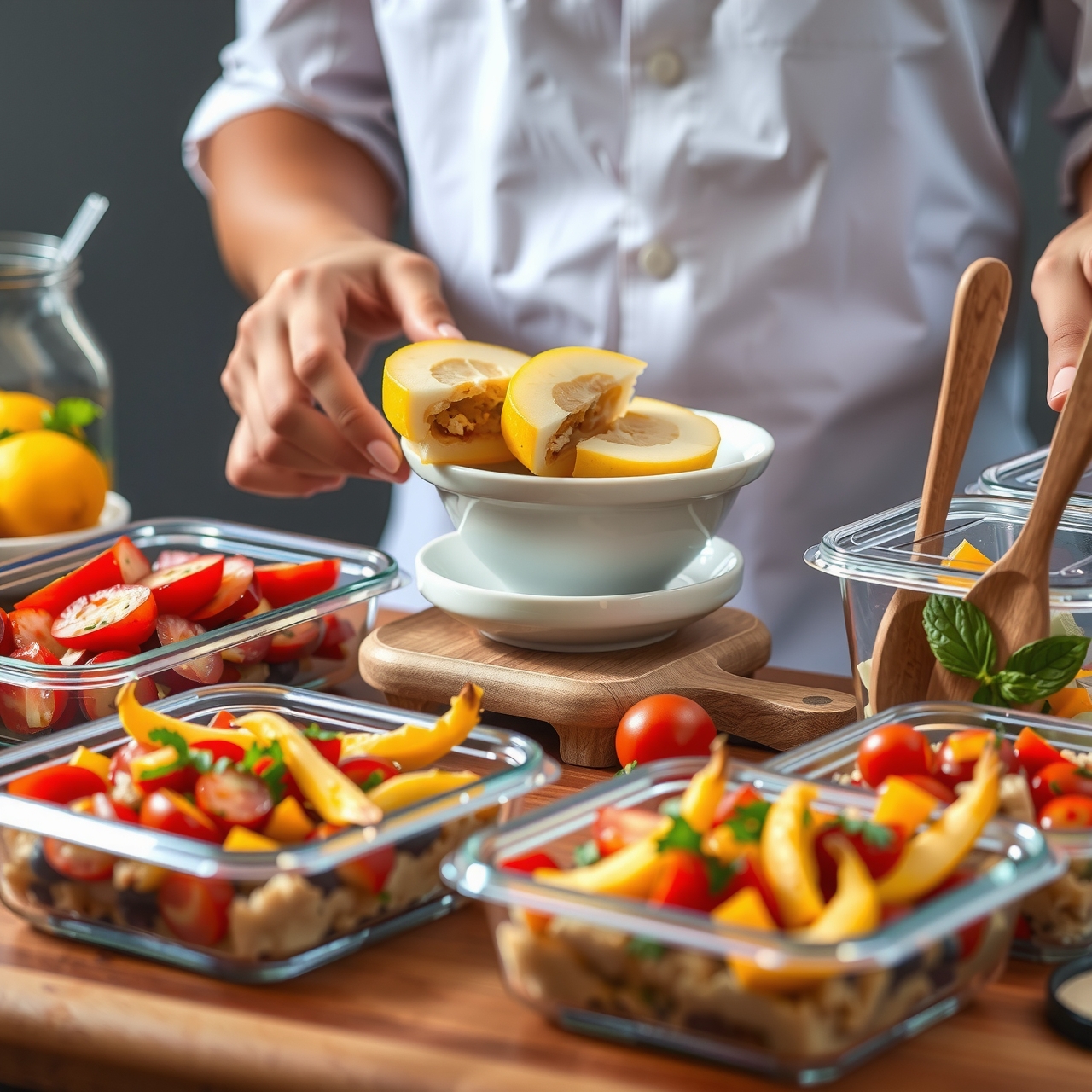
Proper storage temperatures are crucial for preserving food quality and safety. Keep your refrigerator temperature between 3-5°C (37-41°F) and your freezer at -18°C (0°F) or below. Regularly check these temperatures to ensure your food remains safe and fresh for longer.
Step 10: Thaw Food Safely in the Refrigerator
When thawing frozen meals, always do so thoroughly in the refrigerator. This method ensures even thawing and minimizes the risk of bacterial growth. Depending on the size of the meal, allow ample time—often 24-48 hours—for complete defrosting. Avoid thawing at room temperature.
Step 11: Reheat to 75°C and Consume Promptly
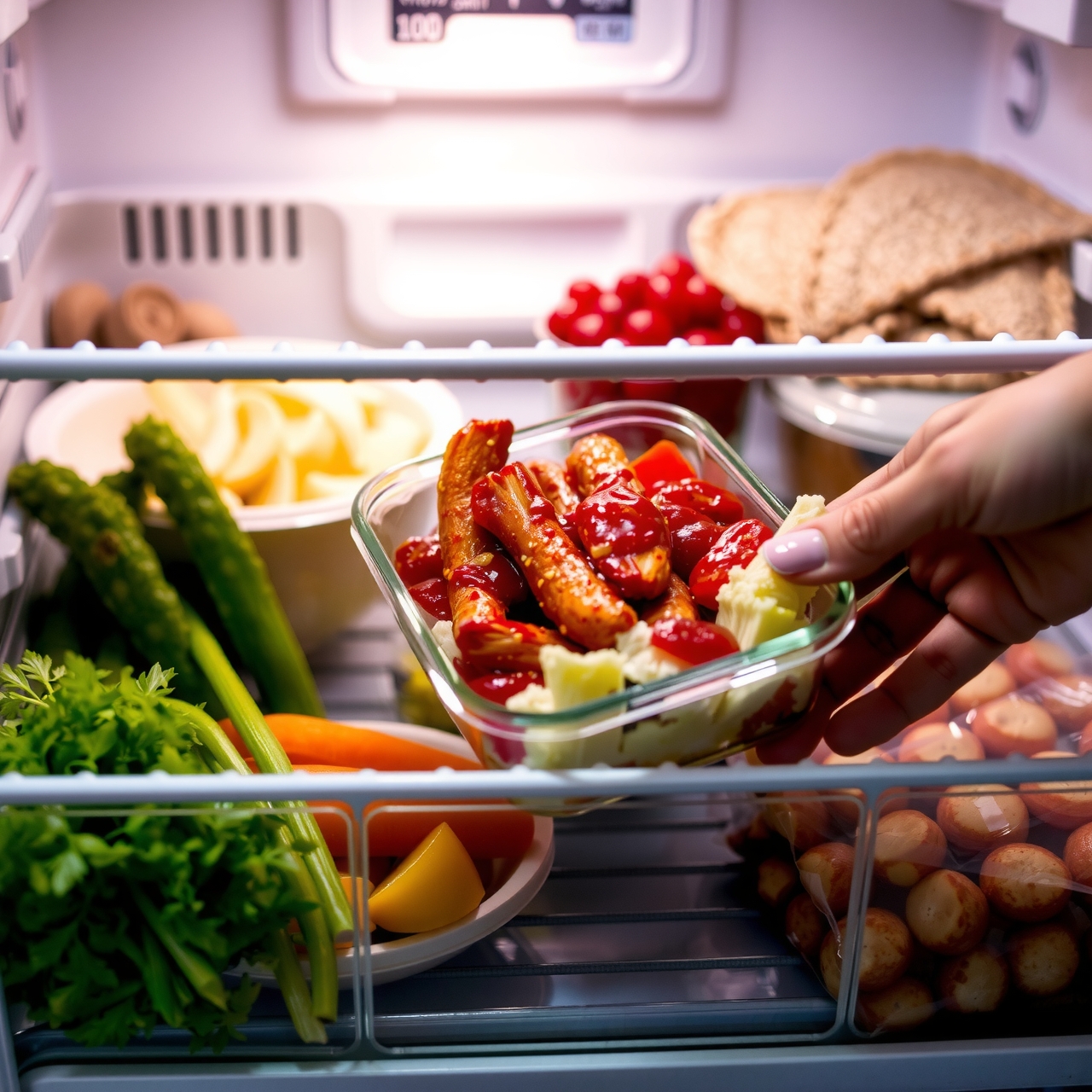
To ensure food safety, reheat all defrosted and prepped meals to an internal temperature of 75°C (165°F). Use a food thermometer to verify. Once reheated, consume the food within 24 hours. Avoid reheating the same meal multiple times.
Step 12: Label Your Meals Clearly
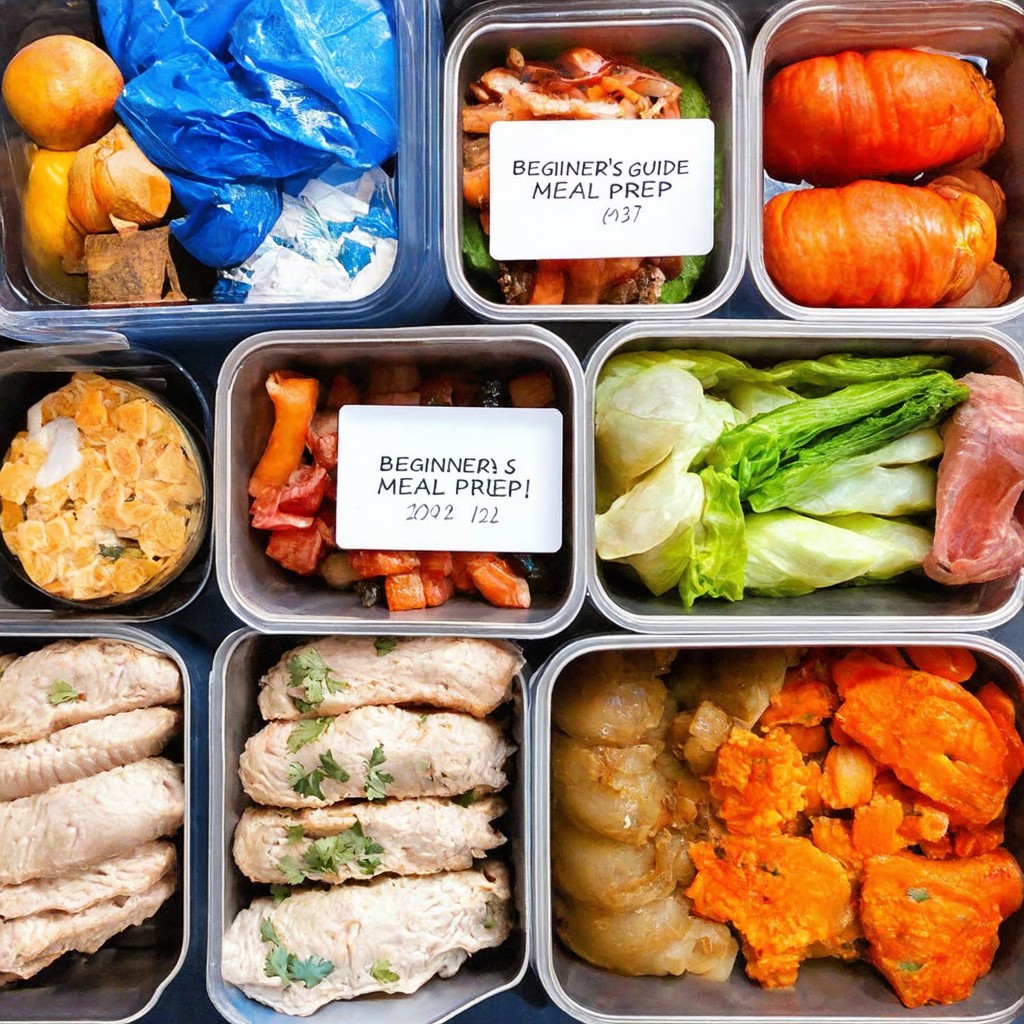
Labeling is a simple yet effective organizational tool for meal prep. Clearly mark each container with the date it was prepared or frozen, along with the contents. This practice helps you keep track of freshness, reduce food waste, and ensure you consume meals within their safe limits.
Step 13: Understand Storage Durations
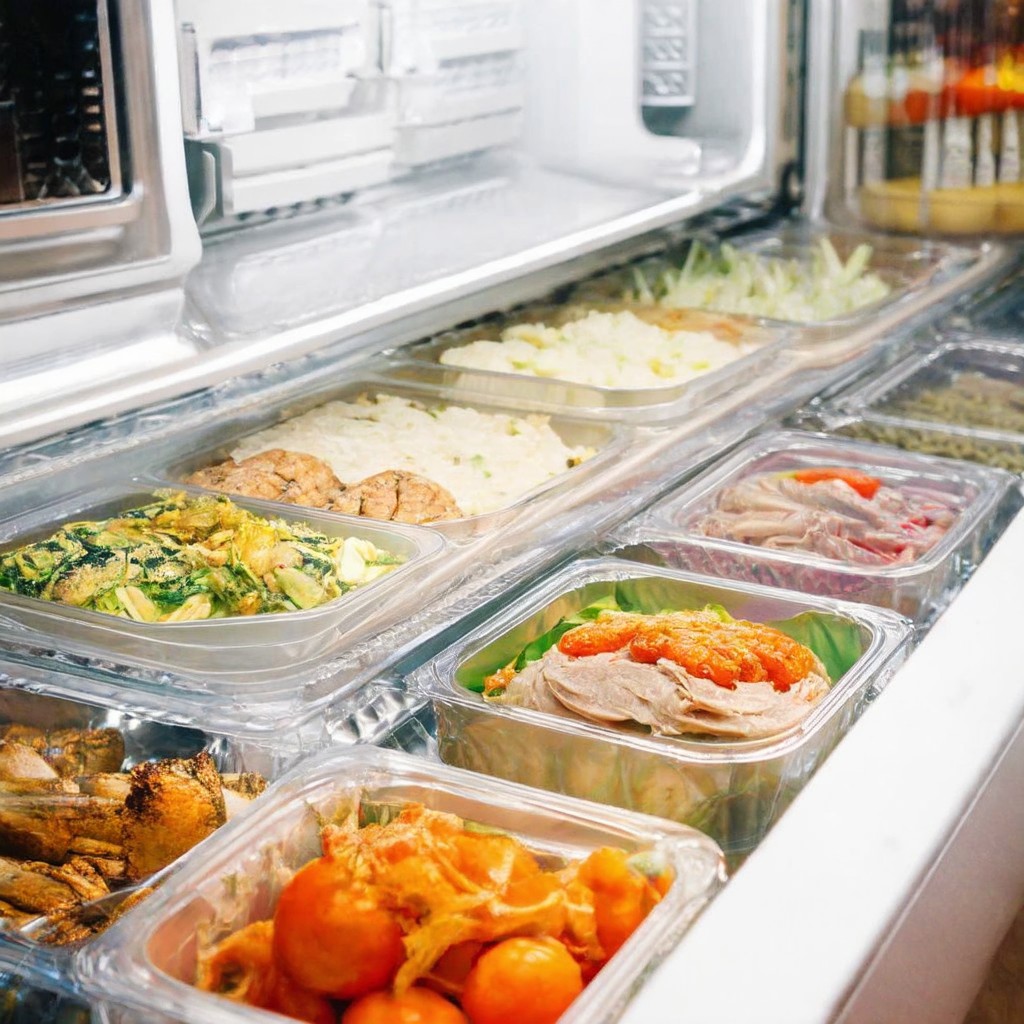
Adhere to recommended storage times for optimal freshness and safety. Refrigerated meals should generally be consumed within 3-4 days. For longer storage, freeze your meals, where they can last safely for 3-6 months. Always trust your judgment regarding food quality and discard anything that looks or smells off.
Step 14: Prioritize Simplicity
When starting out, embrace simplicity. Focus on easy, straightforward recipes with fewer ingredients and steps. Overly elaborate meals can be daunting and lead to burnout. Master the basics, then gradually introduce more complex dishes as your confidence and skills grow.
Step 15: Vary Your Meals to Avoid Boredom
To combat meal prep fatigue, rotate a few favorite simple meal ideas throughout the week. Alternatively, plan your meals for two weeks at a time to introduce more variety. This strategy keeps your taste buds engaged and prevents boredom, making meal prep a more sustainable habit.
Step 16: Utilize a Meal Formula for Balance
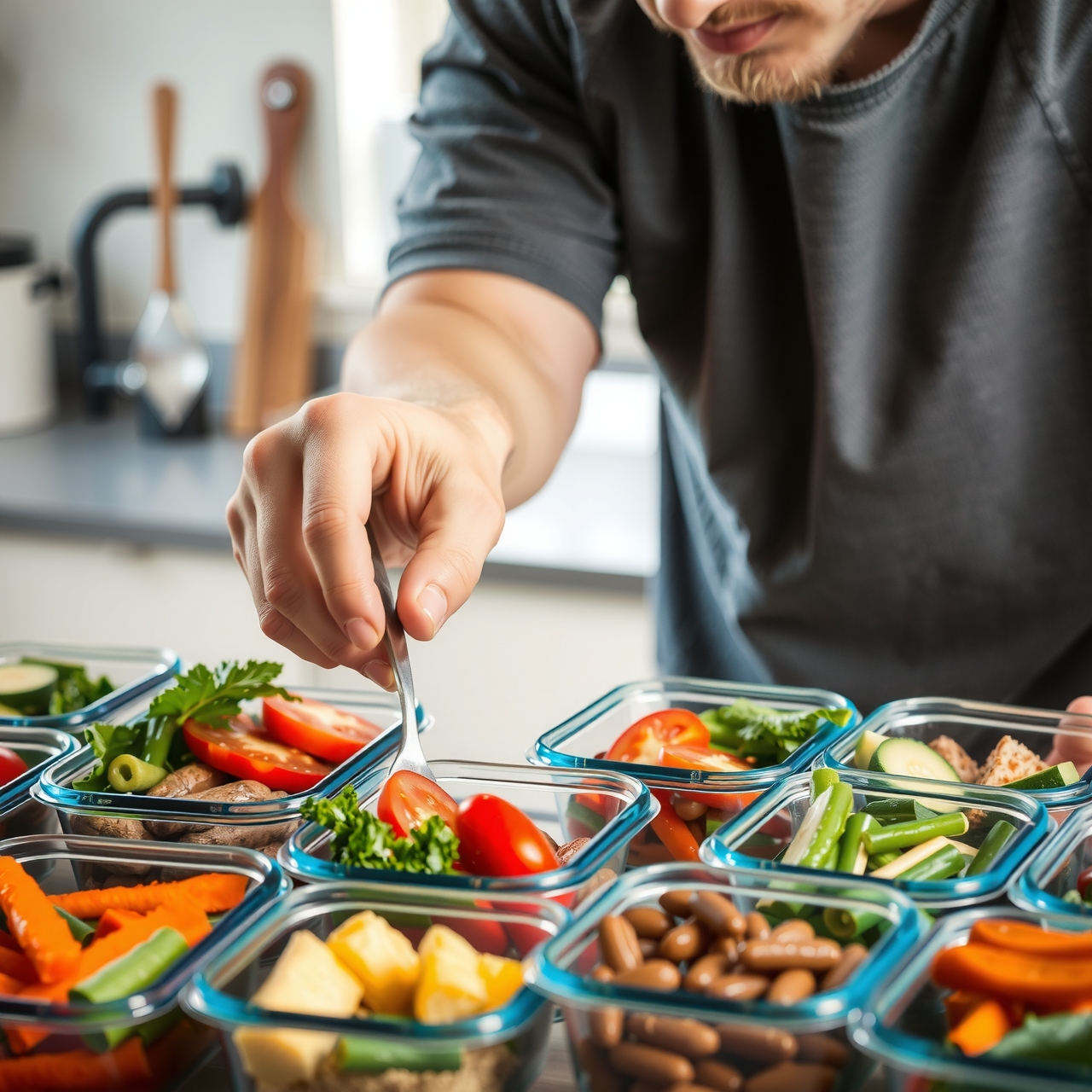
Simplify your meal planning with a basic formula: a lean protein, a complex carbohydrate, and two servings of vegetables. This structure ensures balanced nutrition and makes grocery shopping and cooking much more efficient. For example, grilled chicken + quinoa + roasted broccoli florets + sautéed zucchini.

Step 17: Focus on Nutritional Balance
Beyond just convenience, meal prep is an excellent opportunity to ensure you’re consuming balanced meals. Focus on incorporating a wide range of healthy fats, essential vitamins, minerals, fiber, and sufficient protein in each meal. This holistic approach supports overall health and provides sustained energy throughout your day.
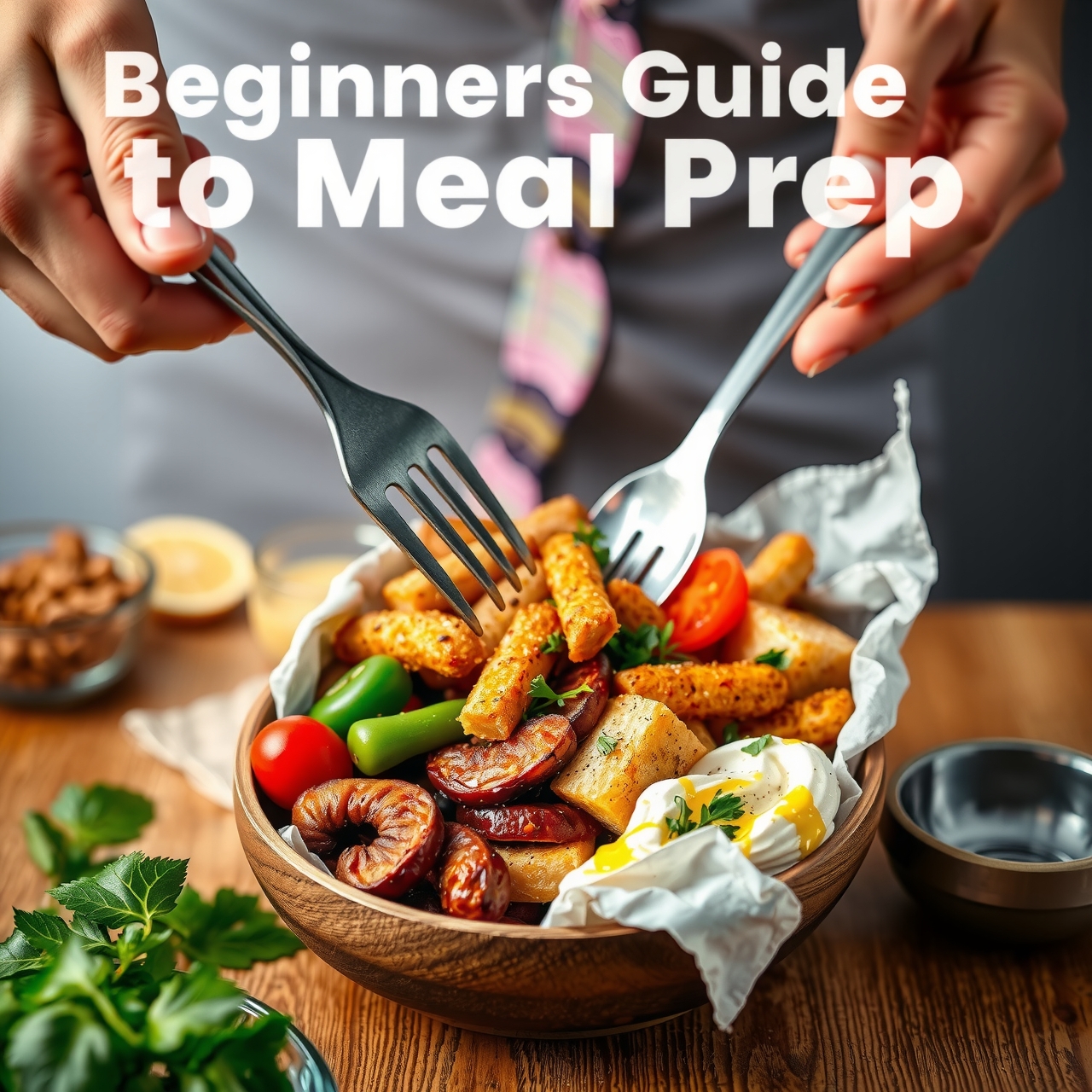
Step 18: Enjoy Your Creations
The most crucial tip for sustainable meal prep is to genuinely enjoy what you’re eating. If your meals aren’t appealing, you’re more likely to deviate from your plan. Experiment with seasonings, herbs, and sauces to elevate flavors, and don’t be afraid to tweak recipes to suit your preferences.
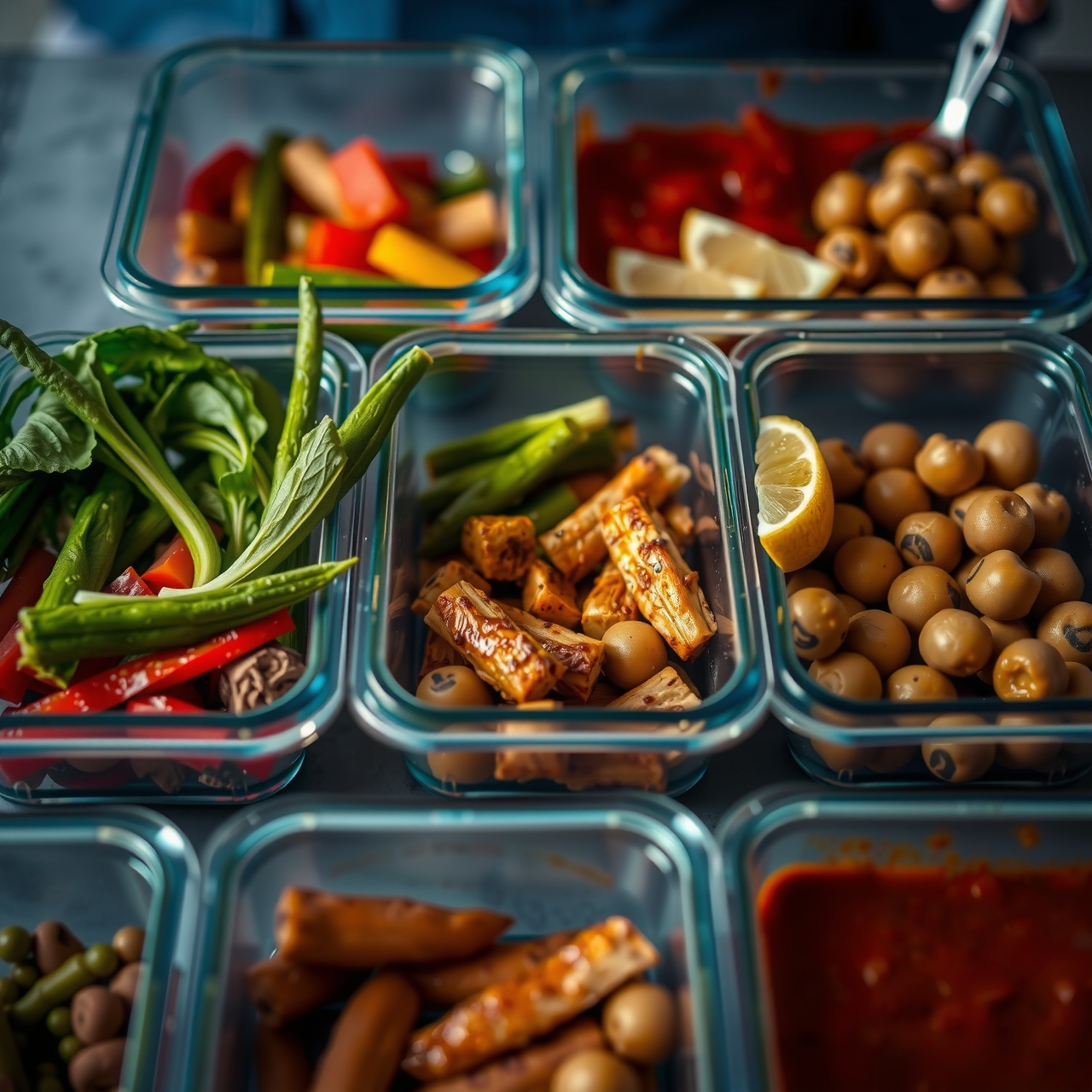
Step 19: Test New Recipes in Small Batches
Before committing a new recipe to a full week’s meal prep, try preparing it as a single portion first. This allows you to test the flavors, cooking method, and how well it holds up as a leftover without wasting a large batch of ingredients if it doesn’t meet your expectations.
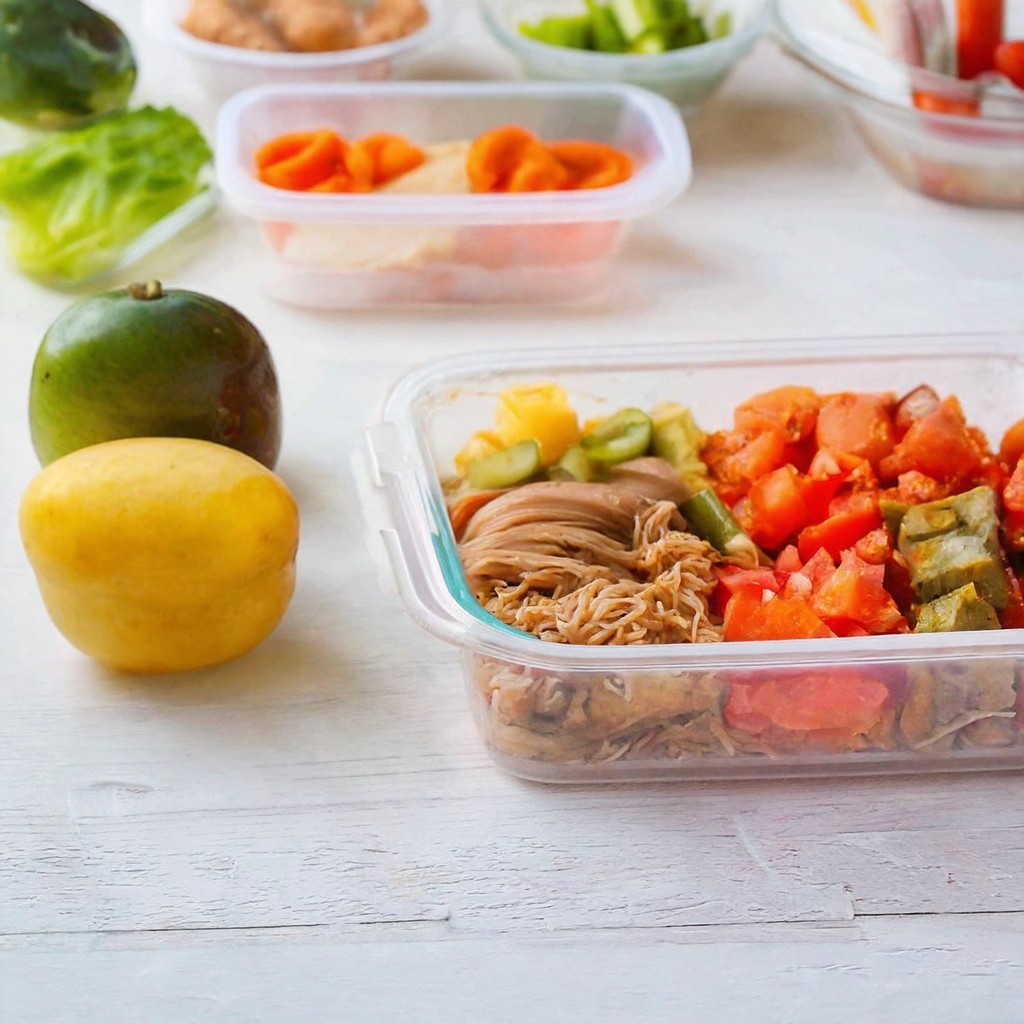
Step 20: Portion Accurately for Health Goals
For those with specific health or fitness goals, accurate portioning is essential. Use a digital kitchen scale to weigh ingredients and ensure your meals align with your dietary needs. This precision helps with calorie tracking, macronutrient balance, and achieving desired outcomes.
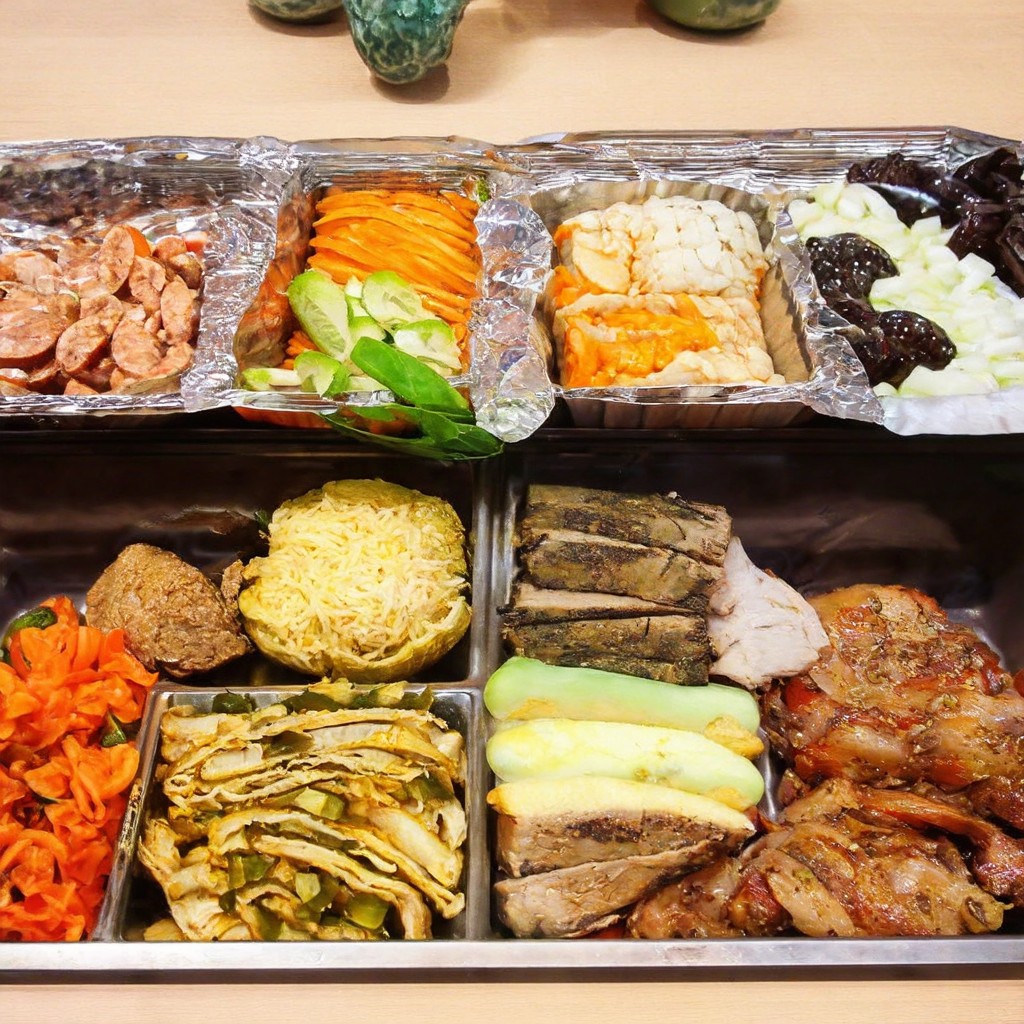
Beginner’s Guide To Meal Prep
Instructions
- Begin your meal prep journey by deciding whether to prepare whole meals, partial meals, or just ingredients in advance. This flexibility allows you to tailor meal prep to your schedule and cooking comfort level, maximizing time and cost savings. Even small steps, like prepping breakfast, can make a big difference.
- Explore different meal prep methods to find what suits you best. Batch cooking involves preparing large quantities of one dish. Make-ahead meals are complete dishes ready to reheat. Individually portioned meals are single servings for convenience. Ready-to-cook ingredients mean chopping vegetables or marinating meats ahead of time. Each method offers unique advantages for busy individuals.
- Don’t feel pressured to overhaul your entire eating routine overnight. Begin gradually by boxing up leftovers from dinner for the next day’s lunch, or focus on prepping just one meal type, such as breakfast. Simple options like overnight oats or frittatas are excellent starting points to build confidence.
- Meal prepping is also an opportunity to enhance your culinary skills. As you consistently prepare meals, you’llónaturally become more efficient with chopping, seasoning, and cooking techniques. Start with simple recipes and gradually challenge yourself with more complex dishes, building your confidence in the kitchen step by step.
- The foundation of successful meal prep lies in reliable food storage. Invest in durable, high-quality containers that are airtight, waterproof, freezer-safe, and microwave-safe. Glass containers are often preferred for their longevity and ease of cleaning, while BPA-free plastic options offer portability. Proper containers prevent spoilage and keep your food fresh.
- To maintain motivation, select recipes that you genuinely enjoy eating and are comfortable preparing. Don’t force yourself to eat bland or complicated meals. As you become more adept, gradually introduce new recipes and expand your repertoire. This approach ensures meal prep remains a sustainable and enjoyable habit.
- Consistency is key to meal prep success. Designate a specific block of time each week for planning your meals, creating a grocery list, shopping, and preparing your food. Treating this time as a non-negotiable appointment will help establish a routine and ensure you’re always prepared for the week ahead.
- Food safety is paramount. After cooking, ensure you quickly chill all prepared foods within two hours to prevent bacterial growth. Divide large portions into smaller, shallow containers to help them cool down faster before refrigerating or freezing.
- Proper storage temperatures are crucial for preserving food quality and safety. Keep your refrigerator temperature between 3-5°C (37-41°F) and your freezer at -18°C (0°F) or below. Regularly check these temperatures to ensure your food remains safe and fresh for longer.
- When thawing frozen meals, always do so thoroughly in the refrigerator. This method ensures even thawing and minimizes the risk of bacterial growth. Depending on the size of the meal, allow ample time—often 24-48 hours—for complete defrosting. Avoid thawing at room temperature.
- To ensure food safety, reheat all defrosted and prepped meals to an internal temperature of 75°C (165°F). Use a food thermometer to verify. Once reheated, consume the food within 24 hours. Avoid reheating the same meal multiple times.
- Labeling is a simple yet effective organizational tool for meal prep. Clearly mark each container with the date it was prepared or frozen, along with the contents. This practice helps you keep track of freshness, reduce food waste, and ensures you consume meals within their safe limits.
- Adhere to recommended storage times for optimal freshness and safety. Refrigerated meals should generally be consumed within 3-4 days. For longer storage, freeze your meals, where they can last safely for 3-6 months. Always trust your judgment regarding food quality and discard anything that looks or smells off.
- When starting out, embrace simplicity. Focus on easy, straightforward recipes with fewer ingredients and steps. Overly elaborate meals can be daunting and lead to burnout. Master the basics, then gradually introduce more complex dishes as your confidence and skills grow.
- To combat meal prep fatigue, rotate a few favorite simple meal ideas throughout the week. Alternatively, plan your meals for two weeks at a time to introduce more variety. This strategy keeps your taste buds engaged and prevents boredom, making meal prep a more sustainable habit.
- Simplify your meal planning with a basic formula: a lean protein, a complex carbohydrate, and two servings of vegetables. This structure ensures balanced nutrition and makes grocery shopping and cooking much more efficient. For example, grilled chicken + quinoa + roasted broccoli florets + sautéed zucchini.
- Beyond just convenience, meal prep is an excellent opportunity to ensure you’re consuming balanced meals. Focus on incorporating a wide range of healthy fats, essential vitamins, minerals, fiber, and sufficient protein in each meal. This holistic approach supports overall health and provides sustained energy throughout your day.
- The most crucial tip for sustainable meal prep is to genuinely enjoy what you’re eating. If your meals aren’t appealing, you’re more likely to deviate from your plan. Experiment with seasonings, herbs, and sauces to elevate flavors, and don’t be afraid to tweak recipes to suit your preferences.
- Before committing a new recipe to a full week’s meal prep, try preparing it as a single portion first. This allows you to test the flavors, cooking method, and how well it holds up as a leftover without wasting a large batch of ingredients if it doesn’t meet your expectations.
- For those with specific health or fitness goals, accurate portioning is essential. Use a digital kitchen scale to weigh ingredients and ensure your meals align with your dietary needs. This precision helps with calorie tracking, macronutrient balance, and achieving desired outcomes.
Conclusion
Embarking on your meal prep journey can feel overwhelming at first, but with this beginner’s guide, you’re well-equipped to start transforming your eating habits and simplifying your week. Remember, it’s about progress, not perfection. Start small, stay consistent, and adapt methods to fit your unique lifestyle. The benefits—more time, less stress, healthier eating, and significant savings—are well worth the effort. For more recipe inspiration, explore the vast collection on AllRecipes or Jamie Oliver’s website. Happy prepping!