Affiliate Disclosure: This post may contain affiliate links. If you make a purchase through these links, we may earn a commission at no extra cost to you. For more information, please see our affiliate disclosure.
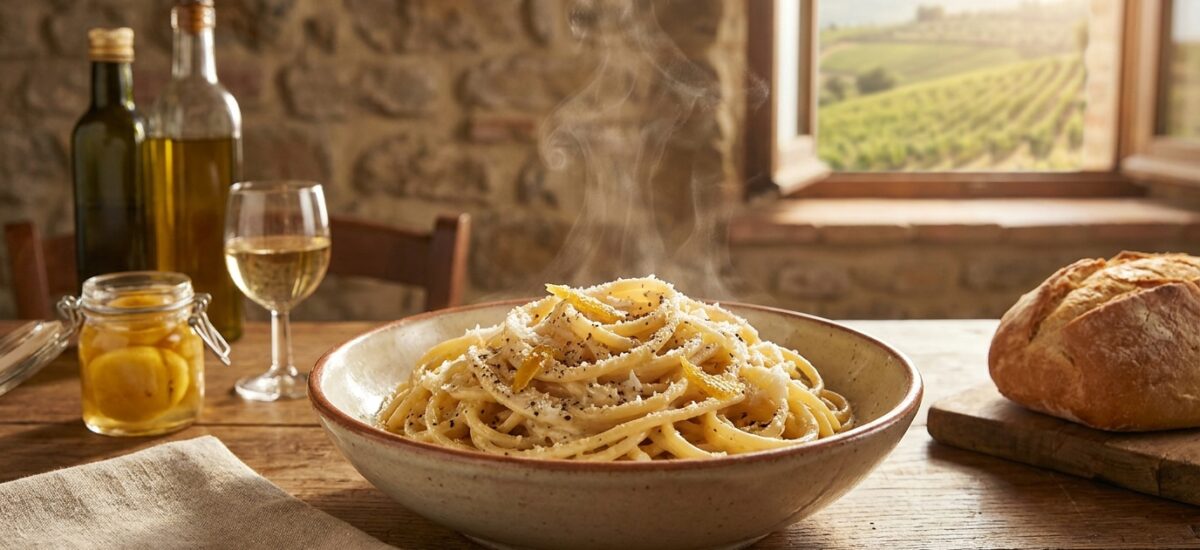
The classic Cacio e Pepe, a Roman masterpiece, is celebrated for its elegant simplicity—just pasta, Pecorino Romano, black pepper, and pasta water. But what if we told you there’s a way to elevate this beloved dish to an entirely new level of flavor, without compromising its minimalist charm? Enter Preserved Lemon Cacio e Pepe. This recipe takes the foundational elements of the original and introduces the vibrant, complex, and intensely aromatic notes of preserved lemons, transforming a humble weeknight meal into a gourmet experience. It’s still incredibly easy, still boasts just four key ingredients (if you count preserved lemon as one!), but the depth of flavor is truly extraordinary. Prepare to be amazed by how a single, powerful ingredient can redefine a classic. The salty, tangy, and subtly floral essence of preserved lemon cuts through the richness of the Pecorino and the bite of the black pepper, creating a harmonious balance that will tantalize your taste buds. This isn’t just Cacio e Pepe; it’s an experience—a testament to how simple additions can yield profound culinary results. Get ready to master this incredibly delicious and surprisingly straightforward dish that will become a new favorite in your repertoire.
Ingredients
- 320g (11.3 oz) spaghetti or tonnarelli
- 100g (3.5 oz) Pecorino Romano cheese, finely grated
- 2 tablespoons freshly cracked black pepper
- 1/2 preserved lemon, flesh removed, rind finely minced
- Salt for pasta water (optional, as Pecorino Romano and preserved lemon are salty)
Product Spotlight

Step-by-Step Instructions
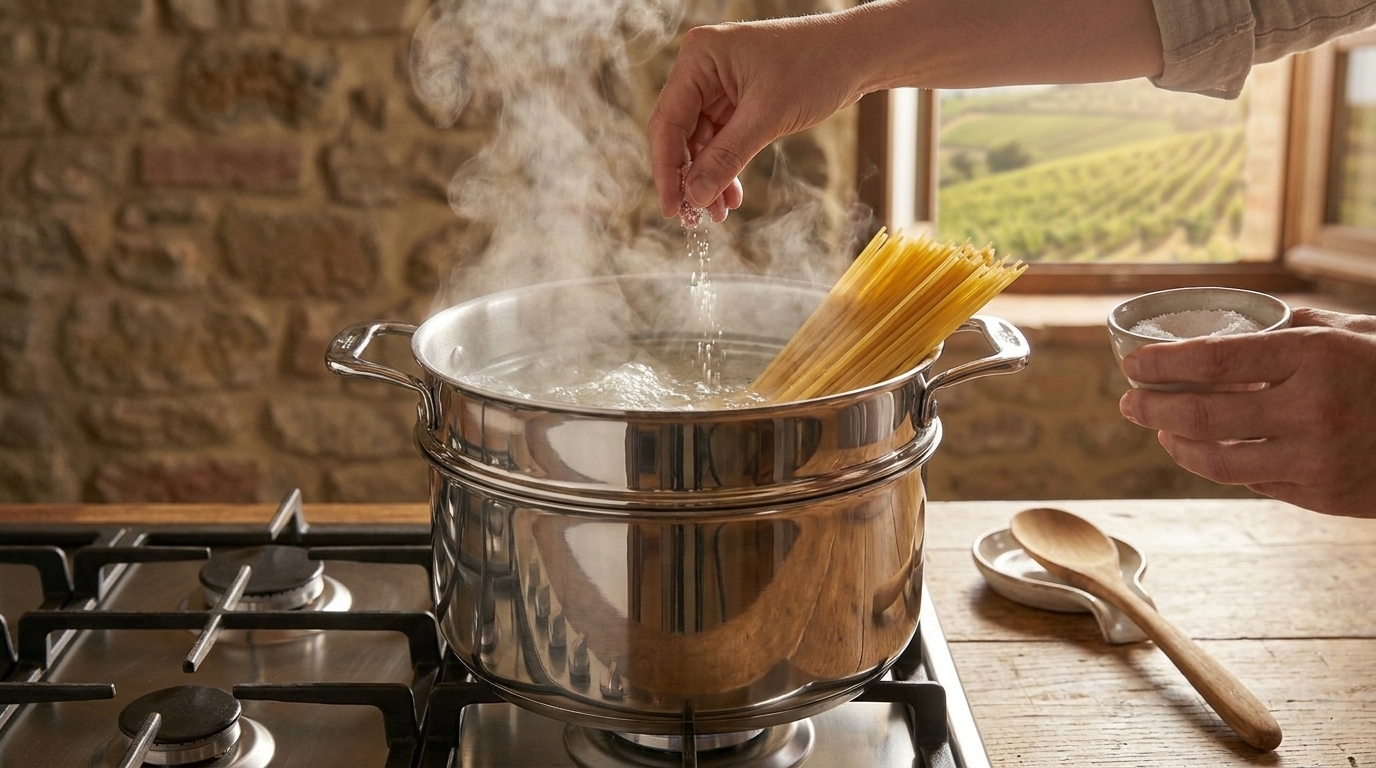
1. Bring a large pot of water to a rolling boil. If desired, add a pinch of salt to the water (keep in mind that both Pecorino Romano and preserved lemon are quite salty). Add the spaghetti or tonnarelli and cook according to package directions until very al dente—this usually means about 2-3 minutes less than the recommended cooking time. Before draining, make sure to reserve about 1.5-2 cups of the starchy pasta water. This starchy water is key to creating a creamy, emulsified sauce. For the best results, consider using a high-quality pasta pot like this one:
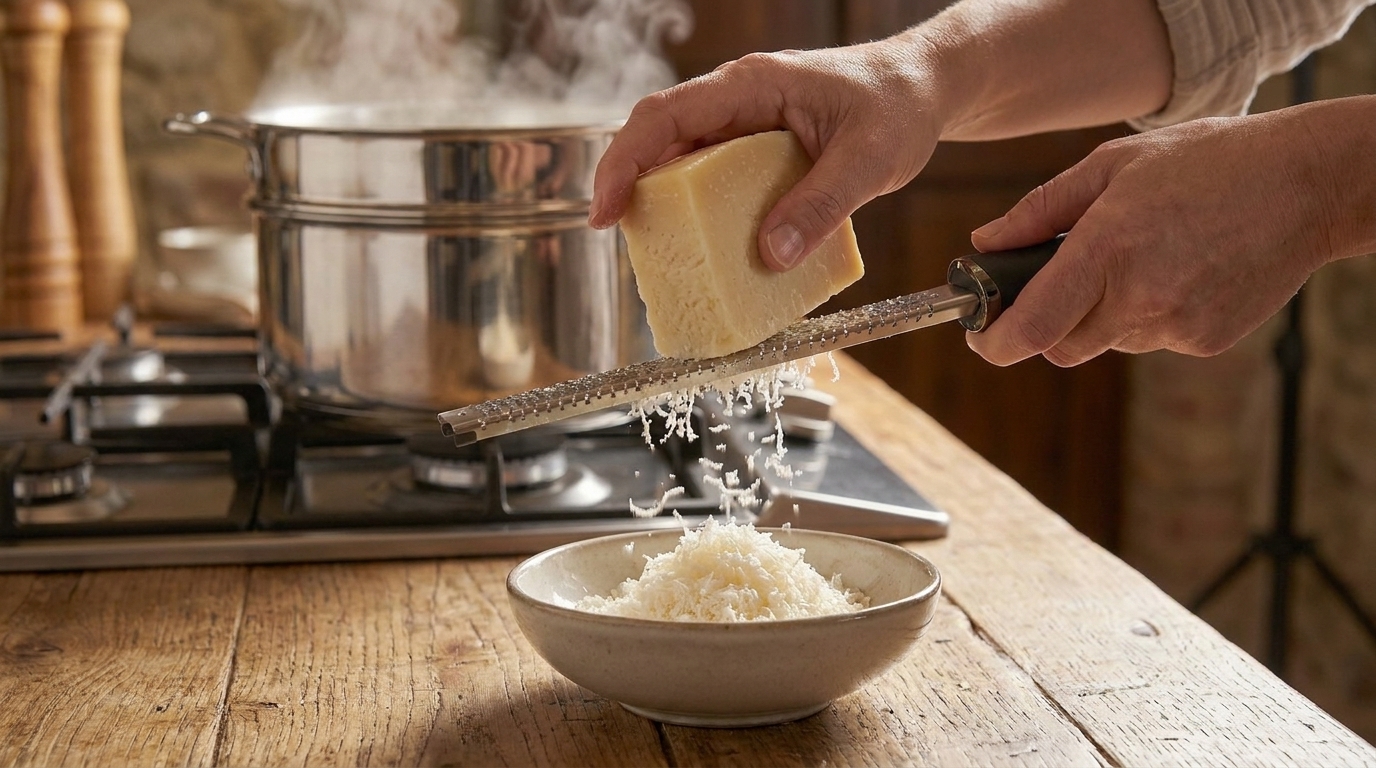
2. While the pasta cooks, prepare your Pecorino Romano and preserved lemon. Finely grate the Pecorino Romano cheese using a microplane or the smallest holes on a box grater. For the preserved lemon, rinse it thoroughly under cold water to remove excess salt. Carefully remove the pulp and discard it, as we will only be using the rind. Finely mince the rind into a paste-like consistency. This fine mince is absolutely crucial for distributing the flavor evenly throughout the sauce, ensuring every bite has that delightful tang.
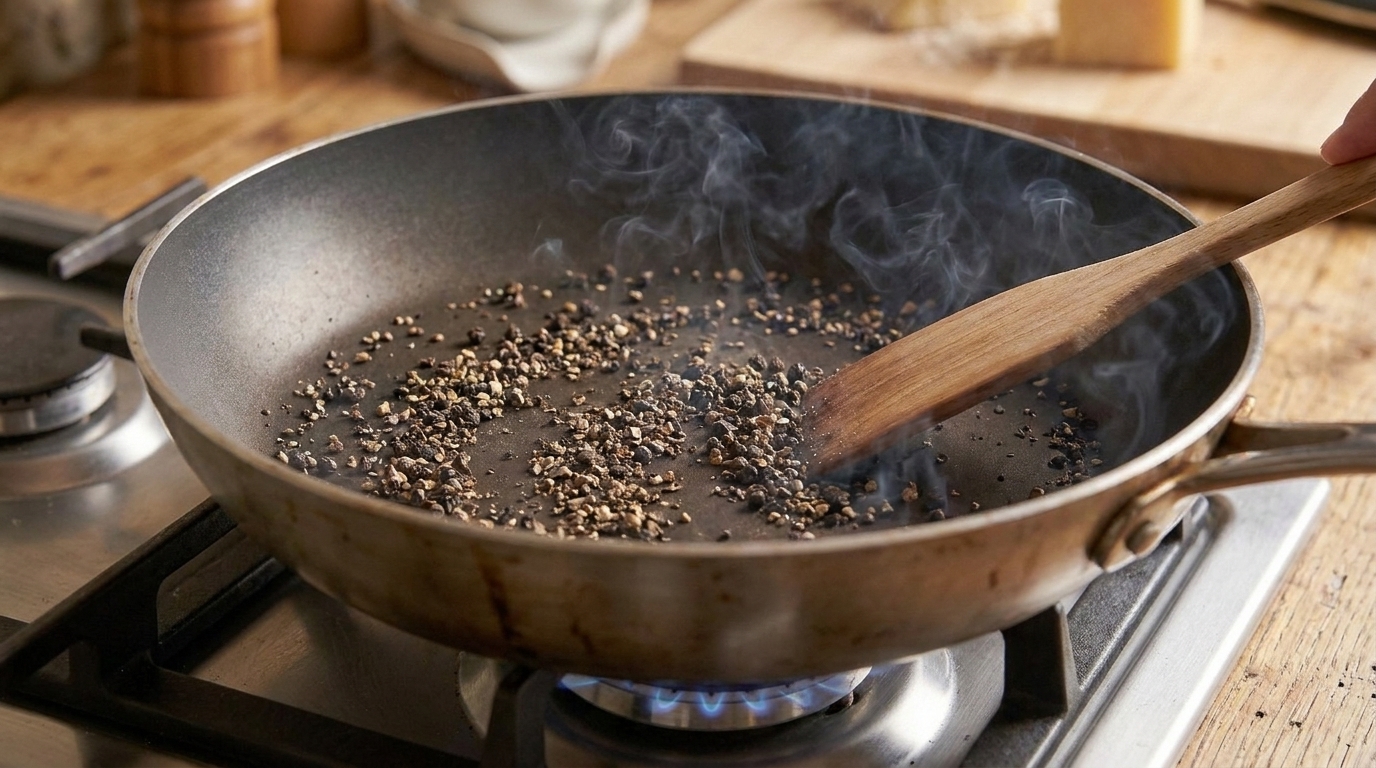
3. In a large, wide skillet or pan (a non-stick skillet works wonderfully here), toast the freshly cracked black pepper over medium heat for about 1-2 minutes until it becomes intensely fragrant. This step is essential as it enhances the pepper’s aroma and deepens its flavor, adding a crucial warmth and complexity to the dish. Don’t skip this!
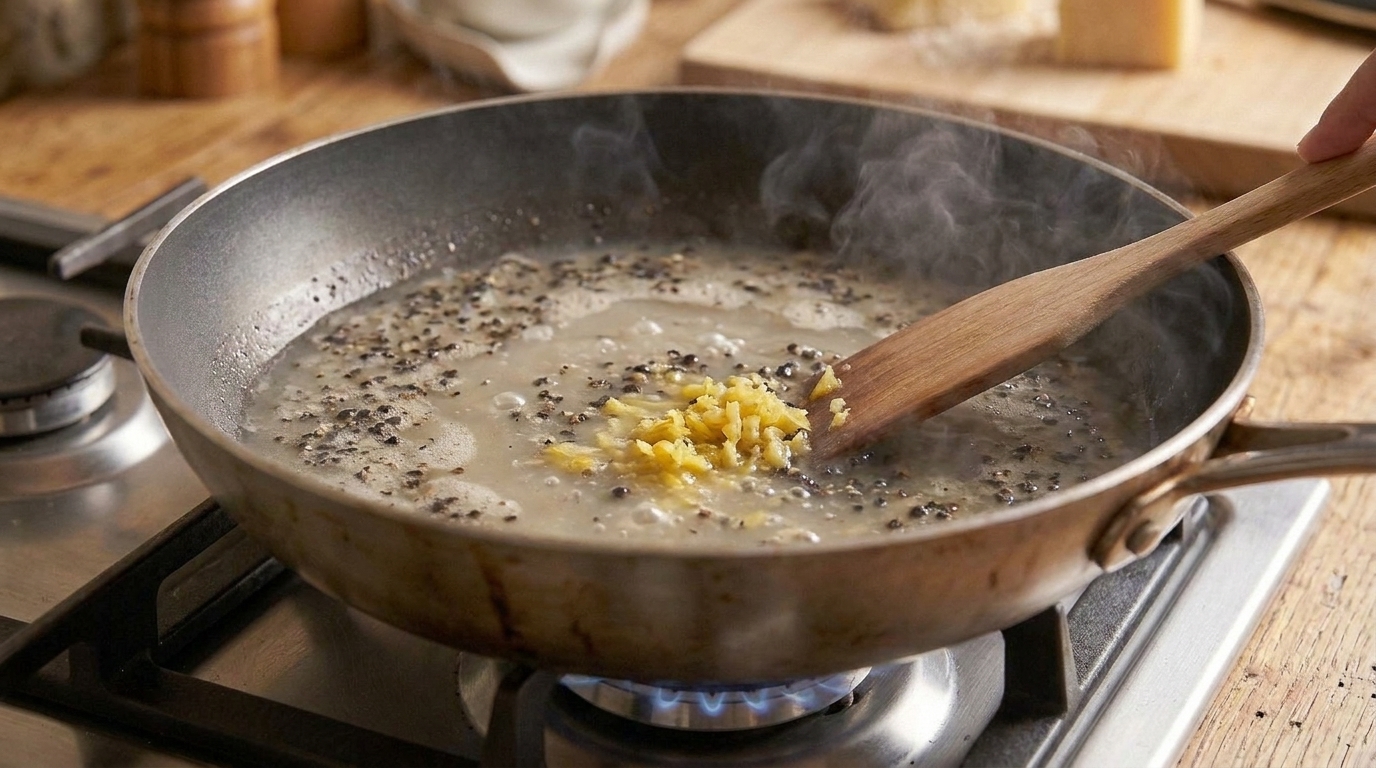
4. Add about 1/2 cup of the reserved starchy pasta water to the skillet with the toasted pepper. Bring it to a gentle simmer, stirring constantly. Add the finely minced preserved lemon rind and stir to combine, allowing the flavors to infuse the water. The heat will help release the aromatic oils from the lemon.
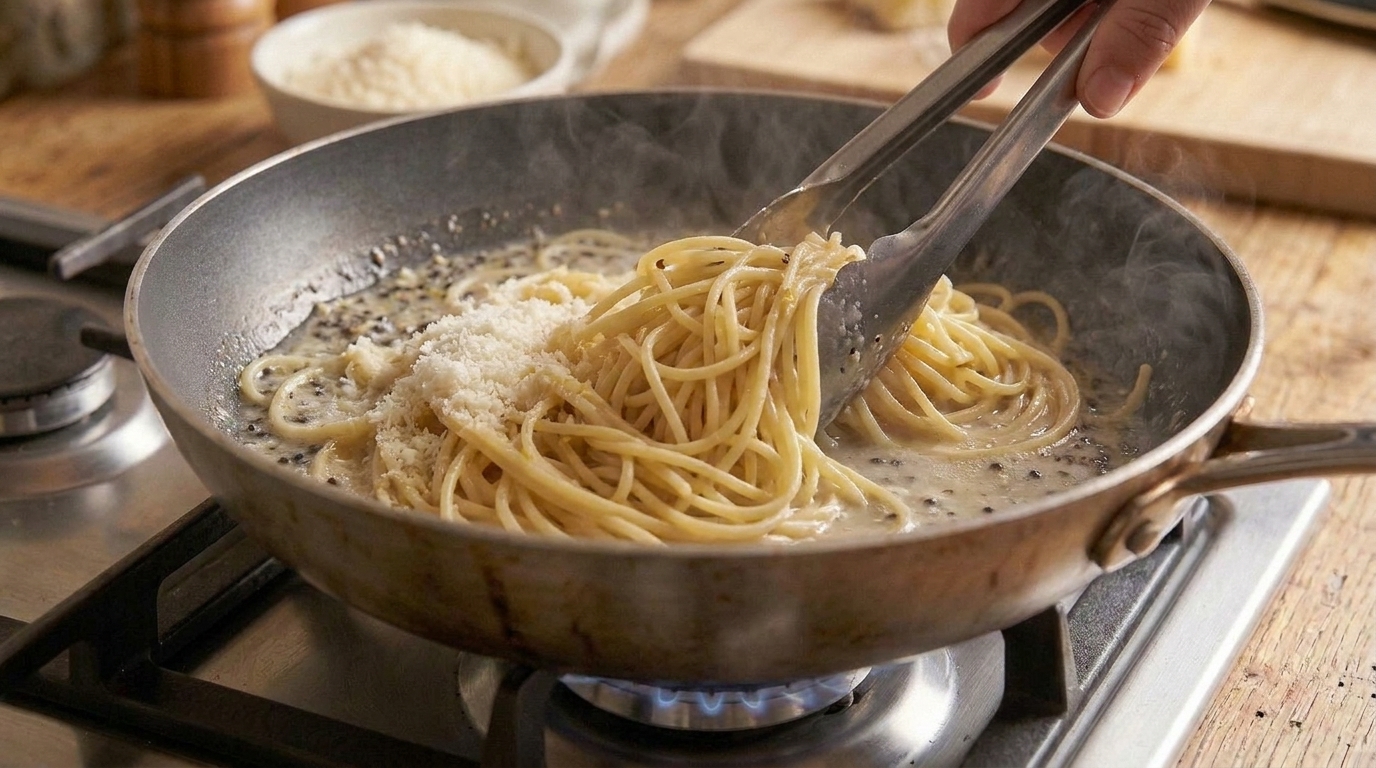
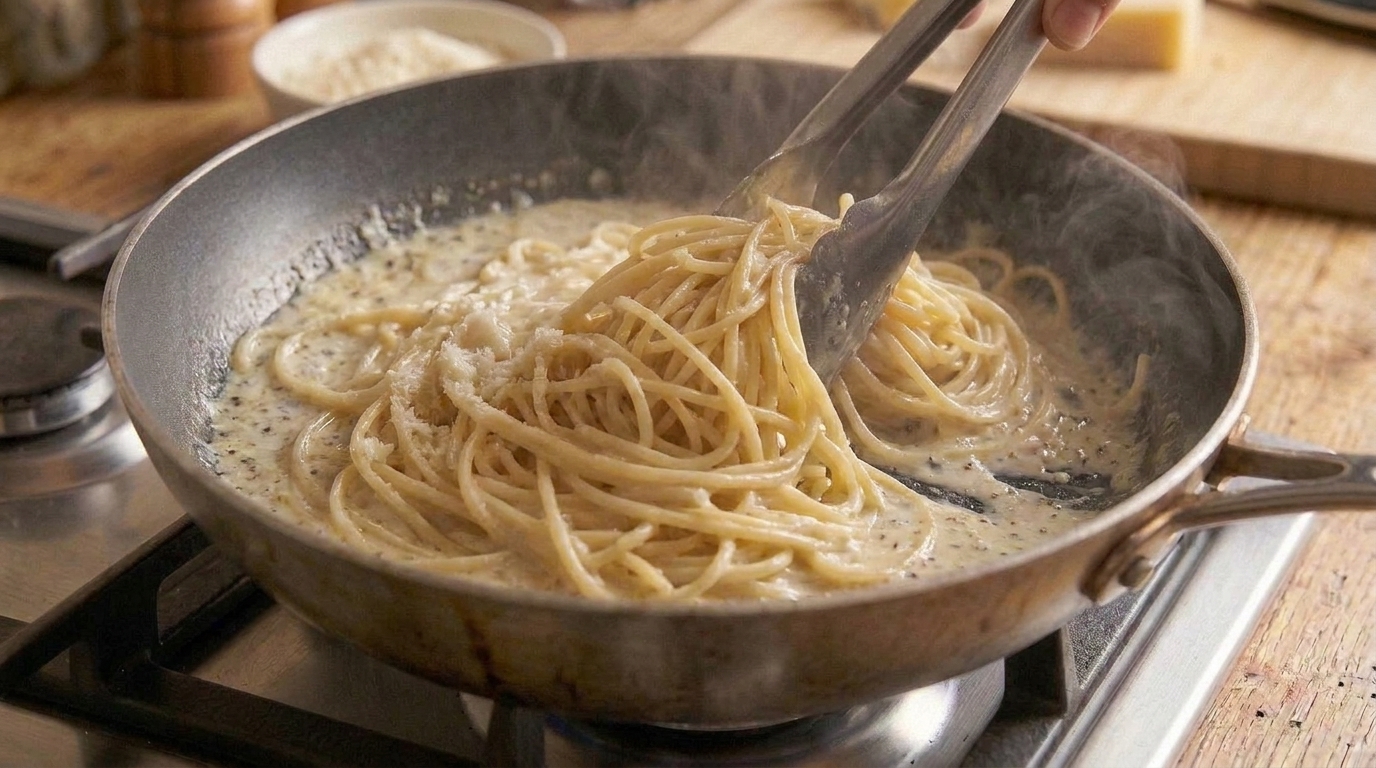
5. Drain the al dente pasta, but whatever you do, do not rinse it! Transfer the pasta directly into the skillet with the pepper and lemon-infused water. Add half of the grated Pecorino Romano cheese. Using a sturdy pair of tongs , continuously toss and stir the pasta vigorously. The friction and residual heat will start to create the sauce.
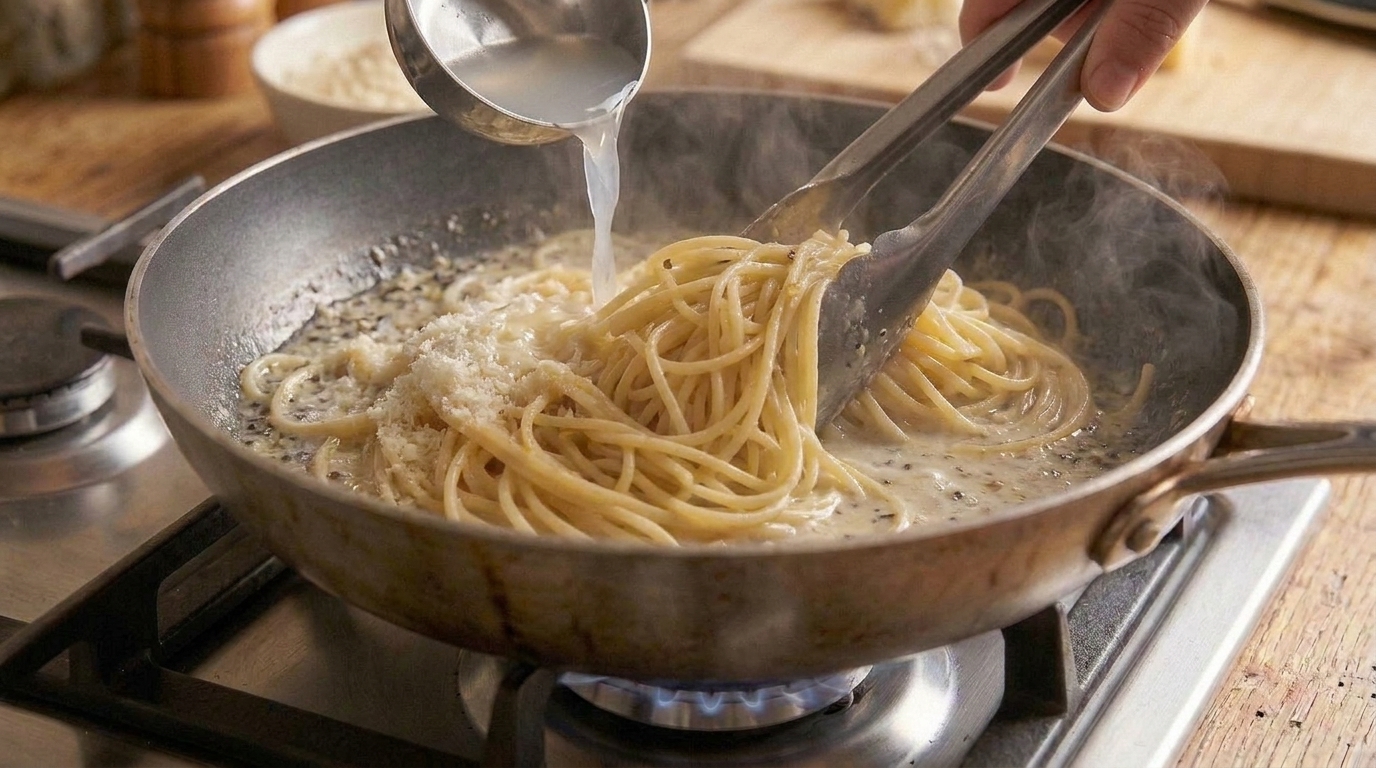
6. Gradually add more of the reserved pasta water, a tablespoon or two at a time, while continuing to toss. As the pasta releases its starches and the cheese melts, it will emulsify with the water to create a creamy, glossy sauce. Keep tossing and adding water until the sauce is smooth, creamy, and coats the pasta beautifully. The key is constant movement to prevent the cheese from clumping, as explained on America’s Test Kitchen.
7. Once the sauce is emulsified and perfectly creamy, remove the pan from the heat. Add the remaining Pecorino Romano cheese and continue to toss vigorously for another 30 seconds to a minute. The residual heat from the pasta and pan will melt the cheese without it clumping. If the sauce becomes too thick at this stage, add a tiny splash more pasta water and toss again until it reaches your desired consistency. You want a luxurious, velvety texture.
8. Serve immediately, twirling the pasta into warm bowls. Garnish with a little extra fresh black pepper and, if you like, a tiny sprinkle of grated Pecorino Romano or a delicate sliver of fresh lemon zest. This dish is best enjoyed right away. For a truly authentic experience, serve it with a simple side salad and a glass of crisp white wine. For more Roman classics, check out Recipes from Italy.
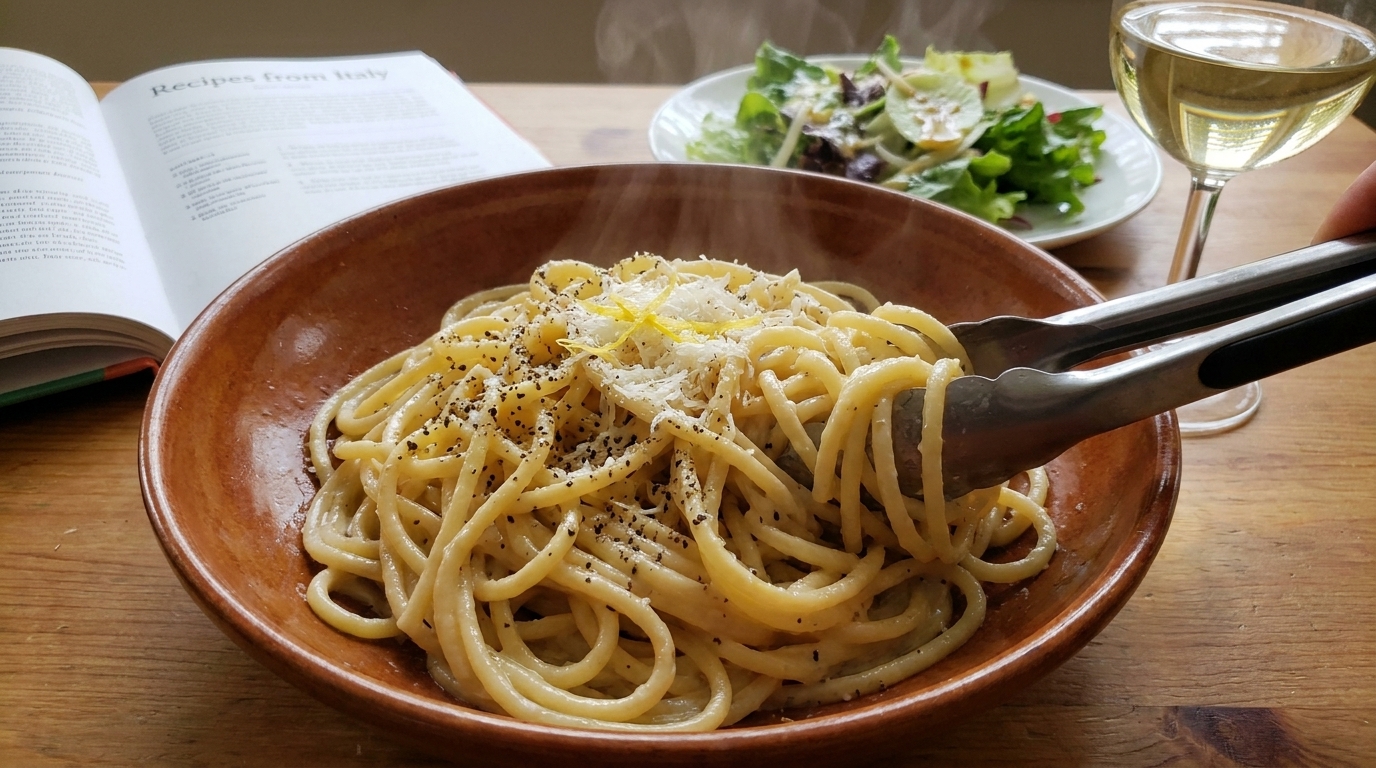
Preserved Lemon Cacio e Pepe — The 4-Ingredient Roman Classic That Just Got a Million Times Better
Ingredients
- 320g (11.3 oz) spaghetti or tonnarelli
- 100g (3.5 oz) Pecorino Romano cheese, finely grated
- 2 tablespoons freshly cracked black pepper
- 1/2 preserved lemon, flesh removed, rind finely minced
- Salt for pasta water (optional, as Pecorino Romano and preserved lemon are salty)
Instructions
- 1. Bring a large pot of water to a rolling boil. If desired, add a pinch of salt to the water (keep in mind that both Pecorino Romano and preserved lemon are quite salty). Add the spaghetti or tonnarelli and cook according to package directions until very al dente—this usually means about 2-3 minutes less than the recommended cooking time. Before draining, make sure to reserve about 1.5-2 cups of the starchy pasta water. This starchy water is key to creating a creamy, emulsified sauce. For the best results, consider using a high-quality pasta pot like this one: [PRODUCT_AFFILIATE_LINK_1]
- 2. While the pasta cooks, prepare your Pecorino Romano and preserved lemon. Finely grate the Pecorino Romano cheese using a microplane or the smallest holes on a box grater. For the preserved lemon, rinse it thoroughly under cold water to remove excess salt. Carefully remove the pulp and discard it, as we will only be using the rind. Finely mince the rind into a paste-like consistency. This fine mince is absolutely crucial for distributing the flavor evenly throughout the sauce, ensuring every bite has that delightful tang.
- 3. In a large, wide skillet or pan (a non-stick skillet [PRODUCT_AFFILIATE_LINK_2] works wonderfully here), toast the freshly cracked black pepper over medium heat for about 1-2 minutes until it becomes intensely fragrant. This step is essential as it enhances the pepper’s aroma and deepens its flavor, adding a crucial warmth and complexity to the dish. Don’t skip this!
- 4. Add about 1/2 cup of the reserved starchy pasta water to the skillet with the toasted pepper. Bring it to a gentle simmer, stirring constantly. Add the finely minced preserved lemon rind and stir to combine, allowing the flavors to infuse the water. The heat will help release the aromatic oils from the lemon.
- 5. Drain the al dente pasta, but whatever you do, do not rinse it! Transfer the pasta directly into the skillet with the pepper and lemon-infused water. Add half of the grated Pecorino Romano cheese. Using a sturdy pair of tongs [PRODUCT_AFFILIATE_LINK_3], continuously toss and stir the pasta vigorously. The friction and residual heat will start to create the sauce.
- 6. Gradually add more of the reserved pasta water, a tablespoon or two at a time, while continuing to toss. As the pasta releases its starches and the cheese melts, it will emulsify with the water to create a creamy, glossy sauce. Keep tossing and adding water until the sauce is smooth, creamy, and coats the pasta beautifully. The key is constant movement to prevent the cheese from clumping, as explained on America’s Test Kitchen.
- 7. Once the sauce is emulsified and perfectly creamy, remove the pan from the heat. Add the remaining Pecorino Romano cheese and continue to toss vigorously for another 30 seconds to a minute. The residual heat from the pasta and pan will melt the cheese without it clumping. If the sauce becomes too thick at this stage, add a tiny splash more pasta water and toss again until it reaches your desired consistency. You want a luxurious, velvety texture.
- 8. Serve immediately, twirling the pasta into warm bowls. Garnish with a little extra fresh black pepper and, if you like, a tiny sprinkle of grated Pecorino Romano or a delicate sliver of fresh lemon zest. This dish is best enjoyed right away. For a truly authentic experience, serve it with a simple side salad and a glass of crisp white wine. For more Roman classics, check out Recipes from Italy.
FAQ Section
Can I use fresh lemon instead of preserved lemon?
My sauce is clumpy, what went wrong?
What kind of pasta is best for Cacio e Pepe?
Conclusion
This Preserved Lemon Cacio e Pepe is more than just a meal; it’s a revelation. By introducing the subtle yet profound complexity of preserved lemons, we’ve taken a Roman classic and infused it with an exciting, vibrant twist that is both familiar and wonderfully new. It’s a testament to the power of quality ingredients and simple techniques to create something truly extraordinary. Whether you’re a seasoned chef or a home cook looking for a simple yet impressive dish, this recipe is sure to become a cherished addition to your culinary repertoire. Enjoy the bright, peppery, and cheesy symphony that is Preserved Lemon Cacio e Pepe! For more inspiring recipes, visit Food Jot Home. And if you’re looking for other ways to incorporate citrus, try our Refreshing Lemon Ricotta Pancakes.
Pin This Review For Later
Save this honest buying guide & pros/cons summary directly to your Pinterest Kitchen or Gadgets board!