
Affiliate Disclosure: This post may contain affiliate links. If you make a purchase through these links, we may earn a commission at no extra cost to you. For more information, please see our affiliate disclosure.
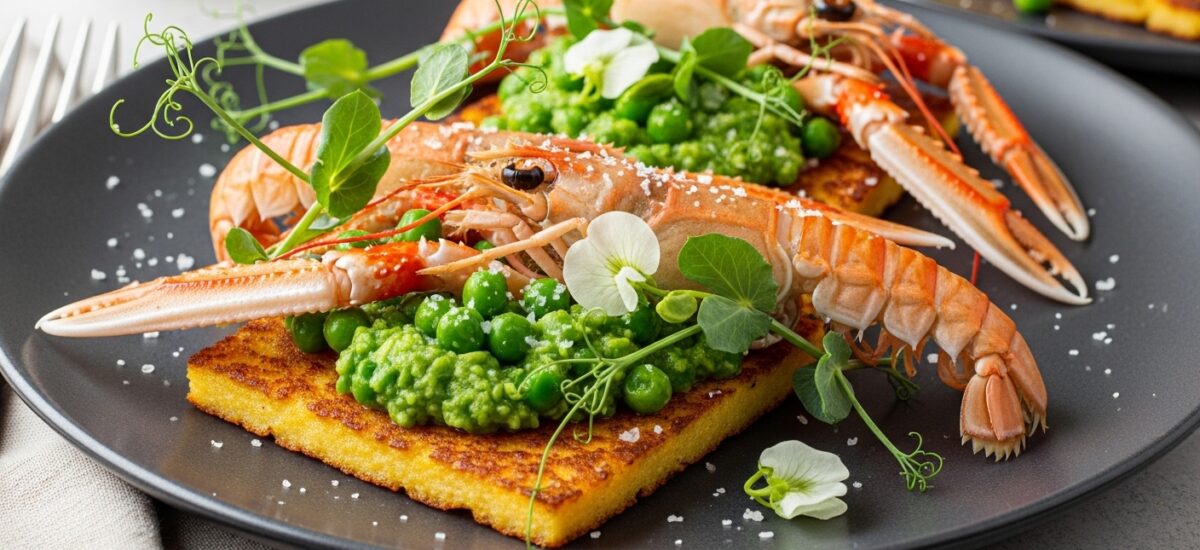
Prepare to embark on a culinary journey that marries rustic Italian comfort with the delicate flavors of the sea. Our Pan-fried Polenta with Crushed Peas and Succulent Langoustines recipe is a testament to how simple, high-quality ingredients can create an extraordinarily elegant dish. This recipe transforms humble polenta into crispy, golden slices, pairs it with a vibrant, fresh pea medley, and crowns it with perfectly seared langoustines, offering a symphony of textures and tastes.
Whether you’re looking to impress guests at a dinner party or simply treat yourself to a sophisticated meal, this dish strikes the perfect balance between gourmet appeal and achievable home cooking. The creamy interior and crisp exterior of the polenta provide a delightful contrast to the sweet, bright peas and the tender, naturally sweet langoustines. It’s a dish that feels special without demanding hours in the kitchen, making it a fantastic choice for any occasion. For more delicious seafood ideas, check out our Easy Instant Pot Seafood Boil Recipe.
Ingredients
- 20g/¾oz unsalted butter
- 5g/⅛oz salt
- Sprig fresh thyme, leaves removed and chopped
- 1 garlic clove, chopped
- 100g/3½oz quick-cook polenta, plus extra for dusting
- 55g/2oz Parmesan, grated
- 1 tbsp vegetable oil, to fry
- 50g/1¾oz unsalted butter
- 4 garlic cloves, chopped
- 400g/14oz frozen peas, defrosted
- 60g/2¼oz fresh peas
- Pinch salt
- 8 medium raw langoustines, heads and shell removed
- 100g/3½oz unsalted butter
- 1 garlic clove
- Salt
- 1 lemon, to squeeze
- 2cm/1in fresh horseradish, grated
- Curly pea shoots, to garnish
- 12 pea shoot flowers, to garnish
Product Spotlight
Step-by-Step Instructions
Why You’ll Love This Pan-Fried Polenta with Langoustines
You’ll fall in love with this recipe for its elegant simplicity and incredible flavor profile. The crispy pan-fried polenta offers a satisfying texture, while the vibrant crushed peas provide a fresh, sweet counterpoint. The star, succulent langoustines, brings a luxurious touch, making this dish feel like a gourmet restaurant experience right in your home. It’s an impressive meal that’s easier to prepare than it looks, perfect for special occasions or when you simply crave something extraordinary.
How to Make Pan-Fried Polenta with Crushed Peas and Langoustines
Step 1: Prepare the Polenta Base
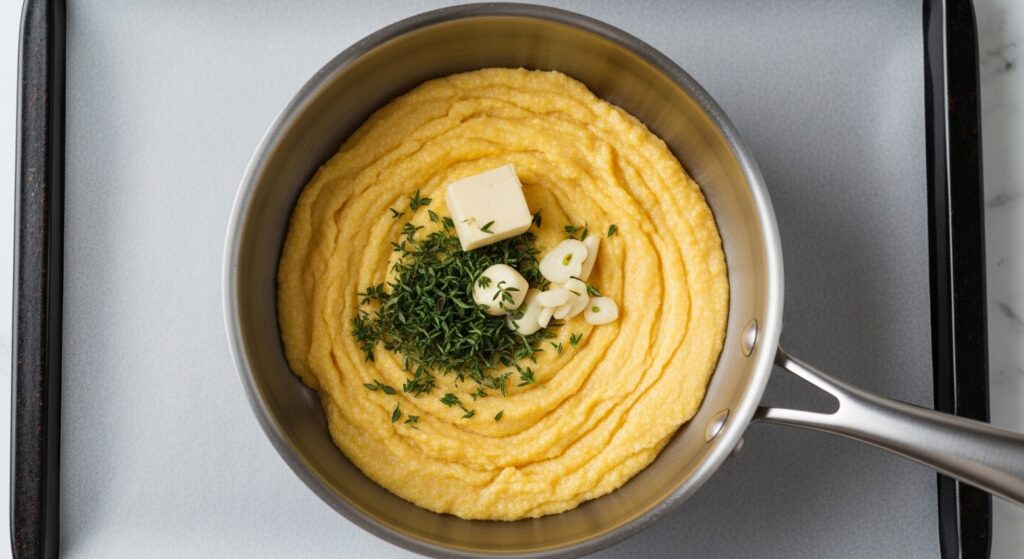
Begin by lining a baking tray with parchment paper and setting it aside. In a saucepan, add 20g of unsalted butter, 5g of salt, chopped fresh thyme leaves, and 1 chopped garlic clove. Sweat these aromatics gently for a couple of minutes until fragrant, allowing their flavors to meld beautifully. This forms the aromatic base for your polenta. You can find more cooking tips from The Spruce Eats.
Step 2: Cook and Chill the Polenta
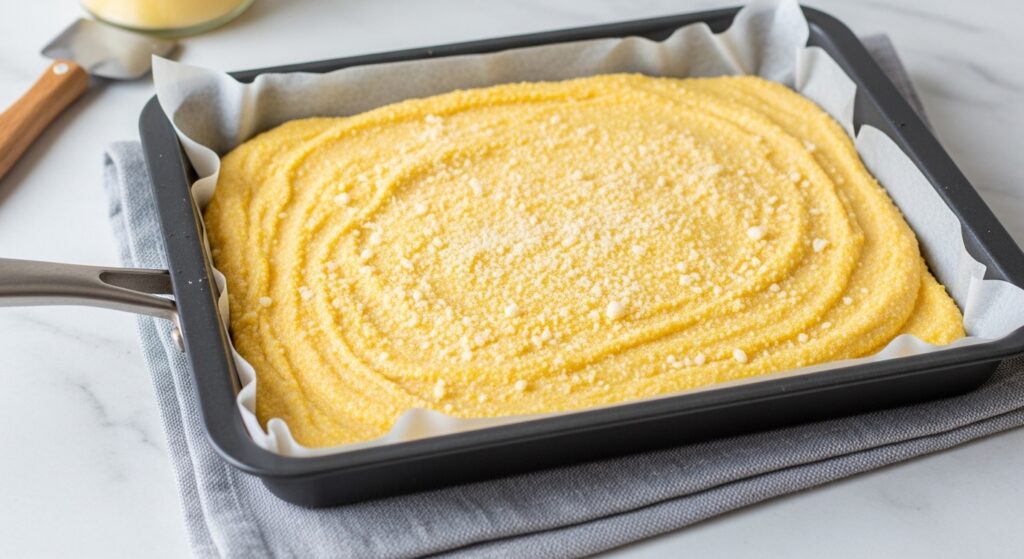
Pour 500ml/18fl oz of water into the saucepan with the aromatics and bring it to a rolling boil. Once boiling, gradually whisk in the 100g of quick-cook polenta , stirring continuously to prevent lumps. Cook for a few minutes until the polenta thickens and pulls away from the sides of the pan. Stir in the grated Parmesan. Pour the cooked polenta into your prepared lined tray, spread it evenly, and then place it in the fridge for at least 2 hours, or until it is completely firm and set. Achieving crispy pan-fried polenta is all about getting this base right!
Step 3: Prepare the Crushed Peas
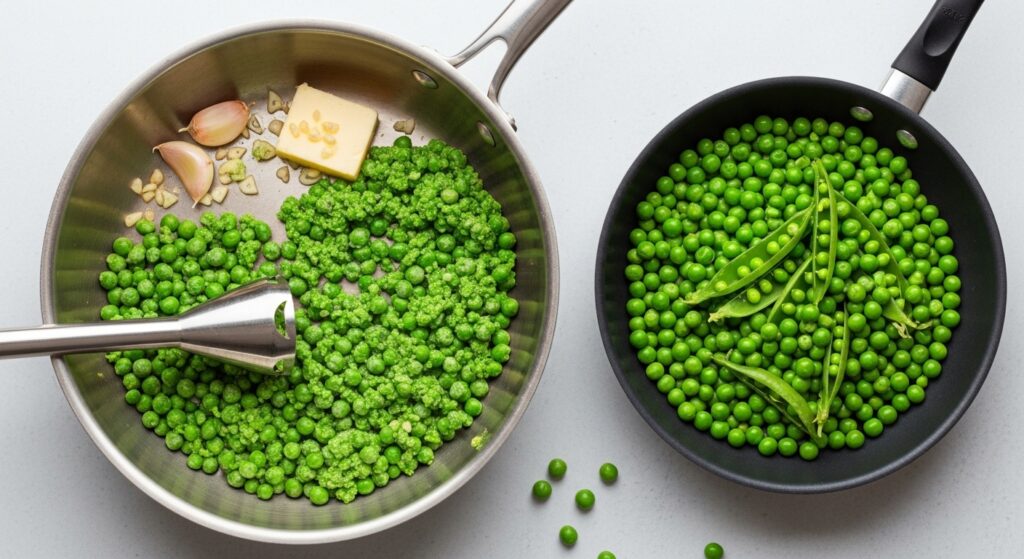
While the polenta chills, prepare your crushed peas. In a clean saucepan, add 50g of unsalted butter and 4 chopped garlic cloves. Sweat for a couple of minutes. Add the 400g of defrosted frozen peas and use a hand blender to blend them roughly, leaving some texture. Meanwhile, bring a small pan of water to a boil and blanch the 60g of fresh peas for just 60 seconds. Drain them immediately and add them to the blended peas, mixing well. Season with a pinch of salt. This vibrant pea mixture will add a burst of freshness to your dish.
Step 4: Pan-Fry the Polenta
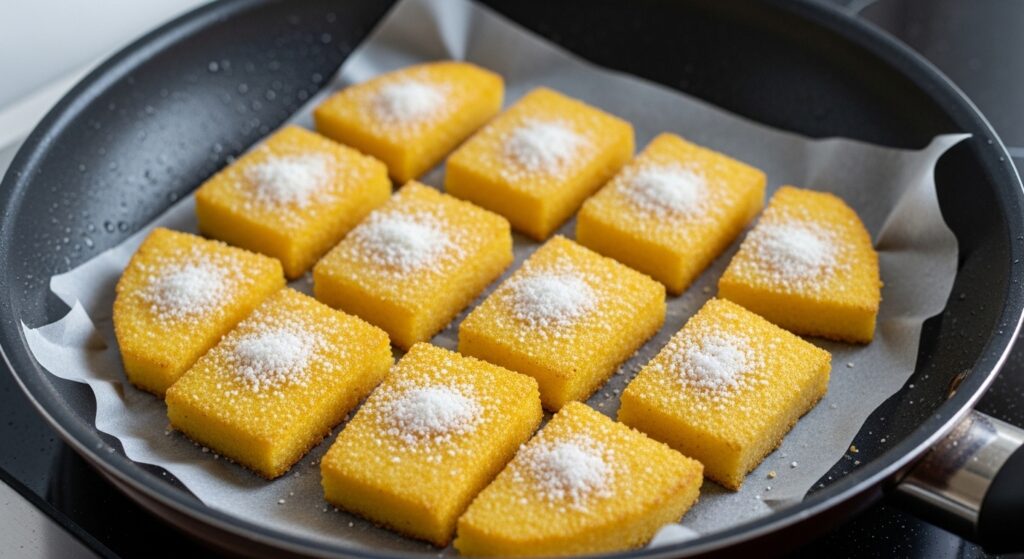
Once the polenta is firm, remove it from the fridge and cut it into 8–10 portions. Lightly dust each portion with extra quick-cook polenta. Heat a frying pan over medium heat with a little vegetable oil. Carefully place the polenta pieces in the hot pan and pan-fry both sides for 2–3 minutes each, until they are beautifully golden-brown and crisp. Remove the pan-fried polenta and rest it on some kitchen paper to absorb any excess oil while you cook the langoustines. For more cooking inspiration, visit Bon Appétit Recipes.
Step 5: Cook the Langoustines
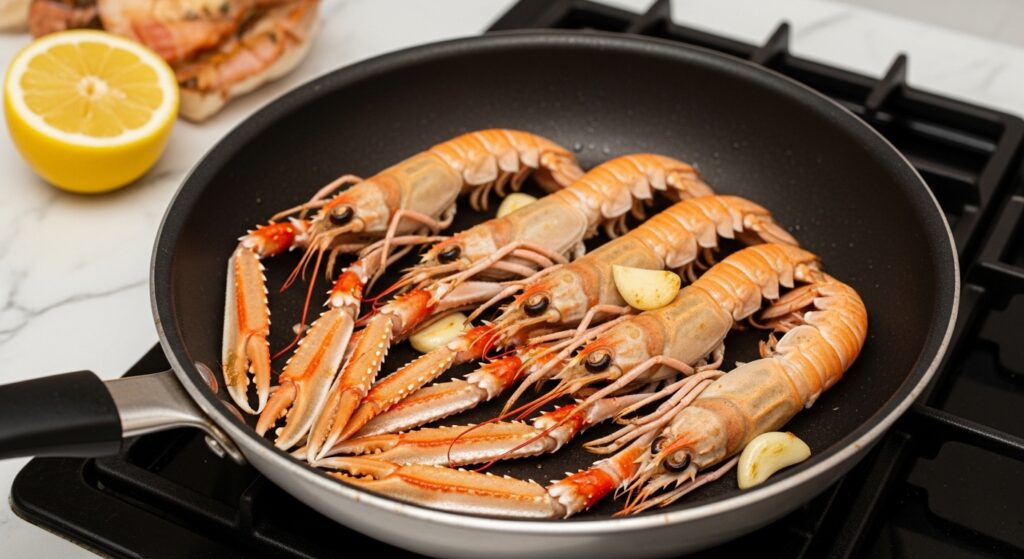
Using the same frying pan, increase the heat to high. Add the 8 medium raw langoustines, ensuring their heads and shells are removed. Caramelize them on both sides for a minute or two until they turn pink and slightly charred. Drop in 100g of unsalted butter and 1 garlic clove to baste the langoustines, infusing them with rich flavor. Finish with a generous squeeze of fresh lemon juice. These garlic butter infused langoustines are the highlight of the dish!
Step 6: Assemble and Serve
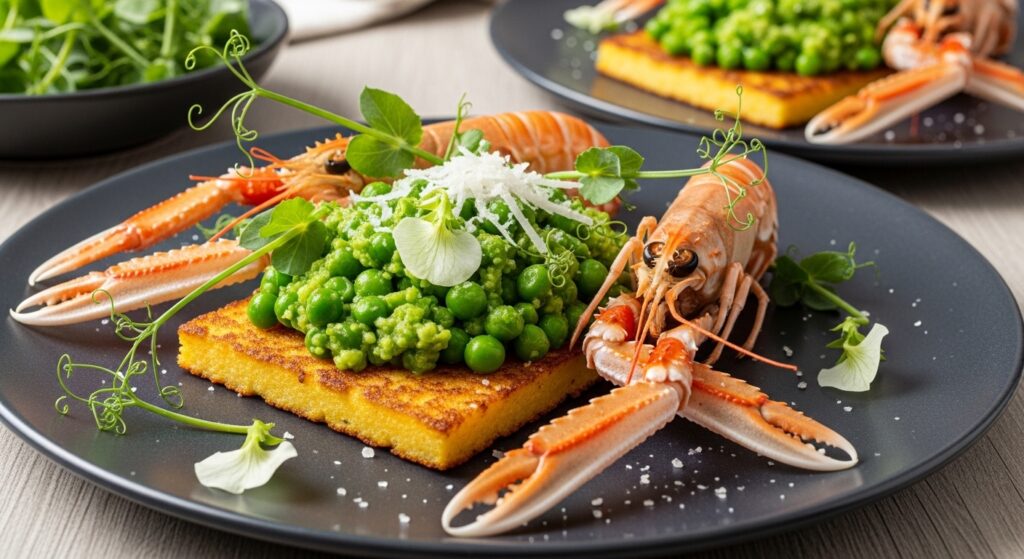
To serve your exquisite dish, carefully lay a slice of the crispy pan-fried polenta on each plate. Top generously with the vibrant crushed peas. Arrange the perfectly cooked langoustines alongside the polenta and peas. Garnish with curly pea shoots and pea shoot flowers for an elegant presentation. Grate fresh horseradish over the top for an extra zing. This dish is a true celebration of flavors and textures, perfect for a special meal. For similar gourmet experiences, explore Eater Recipes.
The Art of Perfect Polenta
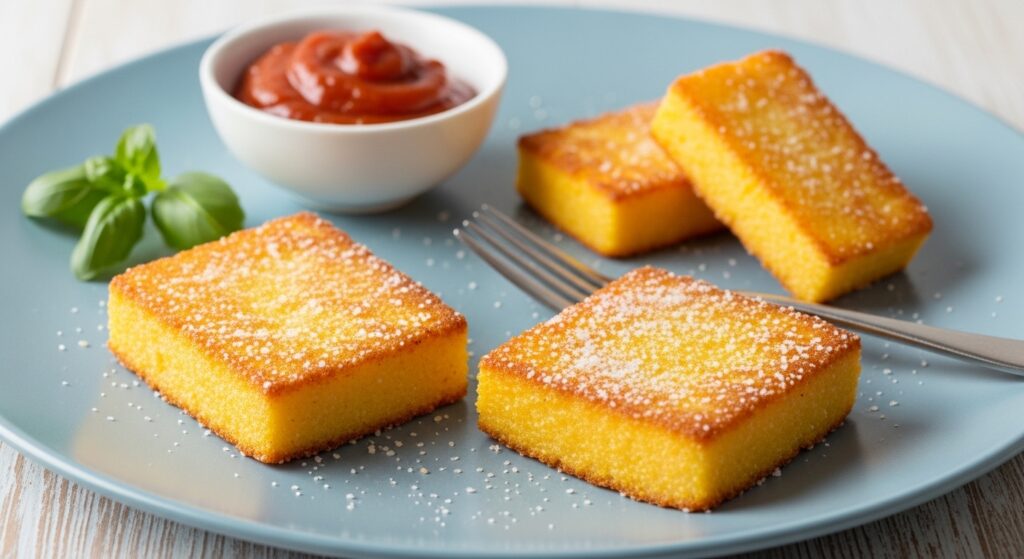
Mastering pan-fried polenta involves a few key steps. First, ensure your quick-cook polenta is prepared smoothly, without lumps, and allowed to set completely firm in the refrigerator. This solid base is crucial for clean cuts and preventing crumbling during frying. Dusting the portions with a little extra polenta or flour before frying creates an extra crispy exterior, a hallmark of perfectly pan-fried polenta. Don’t rush the frying; a medium heat ensures a golden-brown crust without burning, leaving the inside tender. You can find more polenta variations on BBC Food.
Choosing Your Langoustines
Langoustines, also known as Dublin Bay prawns or Norway lobsters, offer a sweet, delicate flavor that is truly special. When selecting langoustines, look for raw ones with intact shells and clear eyes, indicating freshness. If using frozen, ensure they are high quality and thaw them gently in the refrigerator overnight. Proper preparation, including removing heads and shells, is essential for a pleasant eating experience. Quick cooking over high heat is key to preserving their tender texture and preventing them from becoming rubbery. For inspiration on similar dishes, check out Saturday Kitchen Recipes.
The Vibrancy of Crushed Peas
The crushed pea component of this dish is more than just a side; it’s a burst of freshness and color. Using a combination of defrosted frozen peas and freshly blanched peas provides both convenience and superior flavor. The fresh peas, blanched briefly, retain their vibrant green color and crisp-tender texture, adding a delightful pop. Blending them roughly ensures a rustic texture, not a smooth puree, which adds to the dish’s appeal. Seasoning simply with salt and sweating garlic in butter before blending enhances their natural sweetness, making them a perfect complement to the rich polenta and langoustines.
Tips for Success
- Perfect Polenta Consistency: Don’t rush the chilling process. Firmly set polenta is key to achieving crispy, non-crumbling slices when pan-frying.
- Freshness is Key: While frozen peas are convenient, adding a handful of fresh, blanched peas significantly boosts the dish’s flavor and vibrant color.
- Don’t Overcrowd the Pan: When pan-frying polenta and langoustines, cook in batches if necessary to ensure even browning and crispiness. Overcrowding lowers the pan temperature.
- High Heat for Langoustines: Langoustines cook quickly. Use high heat to get a good caramelization without overcooking, keeping them tender and succulent.
- Balance Flavors: The fresh lemon juice and grated horseradish are crucial for cutting through the richness of the butter and seafood, adding brightness.
- Garnish Matters: Pea shoots and flowers aren’t just for looks; they add a delicate, fresh flavor that complements the dish beautifully.
Pan-fried Polenta with Crushed Peas and Succulent Langoustines
Ingredients
- 20g/¾oz unsalted butter
- 5g/⅛oz salt
- sprig fresh thyme, leaves removed and chopped
- 1 garlic clove, chopped
- 100g/3½oz quick-cook polenta, plus extra for dusting
- 55g/2oz Parmesan, grated
- 1 tbsp vegetable oil, to fry
- 50g/1¾oz unsalted butter
- 4 garlic cloves, chopped
- 400g/14oz frozen peas, defrosted
- 60g/2¼oz fresh peas
- pinch salt
- 8 medium raw langoustines, heads and shell removed
- 100g/3½oz unsalted butter
- 1 garlic clove
- salt
- 1 lemon, to squeeze
- 2cm/1in fresh horseradish, grated
- curly pea shoots
- 12 pea shoot flowers
Instructions
- Begin by lining a baking tray with parchment paper and setting it aside. In a saucepan, add 20g of unsalted butter, 5g of salt, chopped fresh thyme leaves, and 1 chopped garlic clove. Sweat these aromatics gently for a couple of minutes until fragrant, allowing their flavors to meld beautifully. This forms the aromatic base for your polenta. You can find more cooking tips from The Spruce Eats.
- Pour 500ml/18fl oz of water into the saucepan with the aromatics and bring it to a rolling boil. Once boiling, gradually whisk in the 100g of quick-cook polenta, stirring continuously to prevent lumps. Cook for a few minutes until the polenta thickens and pulls away from the sides of the pan. Stir in the grated Parmesan. Pour the cooked polenta into your prepared lined tray, spread it evenly, and then place it in the fridge for at least 2 hours, or until it is completely firm and set. Achieving crispy pan-fried polenta is all about getting this base right!
- Using the same frying pan, increase the heat to high. Add the 8 medium raw langoustines, ensuring their heads and shells are removed. Caramelize them on both sides for a minute or two until they turn pink and slightly charred. Drop in 100g of unsalted butter and 1 garlic clove to baste the langoustines, infusing them with rich flavor. Finish with a generous squeeze of fresh lemon juice. These garlic butter infused langoustines are the highlight of the dish!
FAQ Section
- Can I use shrimp instead of langoustines? Yes, large shrimp or prawns can be a suitable substitute for langoustines. Adjust cooking time as needed, usually a few minutes per side until pink and opaque.
- Can I prepare the polenta ahead of time? Absolutely! The polenta can be made up to 2-3 days in advance and stored covered in the refrigerator. This makes assembly on the day of serving much quicker.
- What can I serve with this dish? This dish is quite complete on its own, but a light green salad with a simple vinaigrette or a glass of crisp white wine would pair wonderfully.
- How do I ensure my polenta is extra crispy? Dusting the chilled polenta slices with a little extra dry polenta or flour before frying helps create an even crispier crust. Also, ensure your frying pan is adequately hot with a thin layer of oil.
Conclusion
This Pan-fried Polenta with Crushed Peas and Langoustines is more than just a meal; it’s an experience. It brings together diverse textures and fresh, luxurious flavors in a way that truly elevates home cooking. From the satisfying crunch of the polenta to the sweet burst of peas and the delicate richness of the langoustines, every bite is a delight. We encourage you to try this recipe and savor the sophisticated simplicity it offers. Share your culinary creations with us – we can’t wait to see your stunning dishes! For more inspiration, explore the world of Food Jot Home recipes.