
Affiliate Disclosure: This post may contain affiliate links. If you make a purchase through these links, we may earn a commission at no extra cost to you. For more information, please see our affiliate disclosure.
Ingredients
- 1/4 cup cayenne pepper (adjust to desired heat)
- 2 tablespoons smoked paprika
- 1 tablespoon garlic powder
- 1 tablespoon onion powder
- 1 tablespoon light brown sugar, packed
- 2 teaspoons black pepper
- 1 teaspoon dried oregano
- 1 teaspoon salt
- 1/2 teaspoon white pepper
- 1/2 teaspoon ground cumin
Product Spotlight

Digital Kitchen Scale for Baking and Cooking
$19.99Up to 11 lbs / 5 kg capacity. Digital controls controls.
Buy on AmazonStep-by-Step Instructions
Step 1: Gather Your Spices
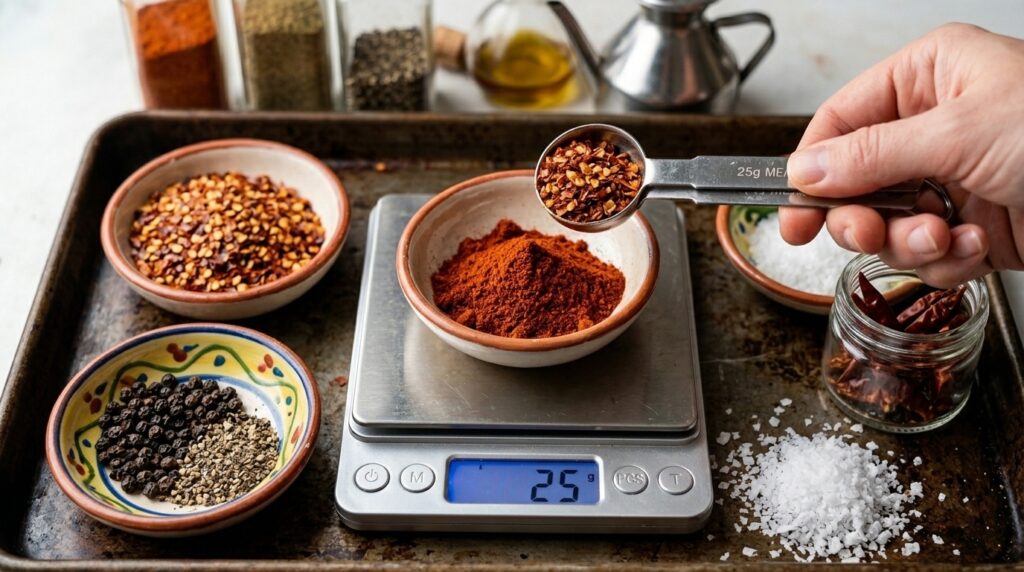
Lay out all your measured spices on a clean surface. Accuracy is key for a balanced flavor, so ensure you have the correct amounts. A reliable digital kitchen scale can be incredibly helpful here for precise measurements, especially for larger batches. Having everything ready beforehand makes the process smooth and efficient.
Step 2: Combine All Ingredients
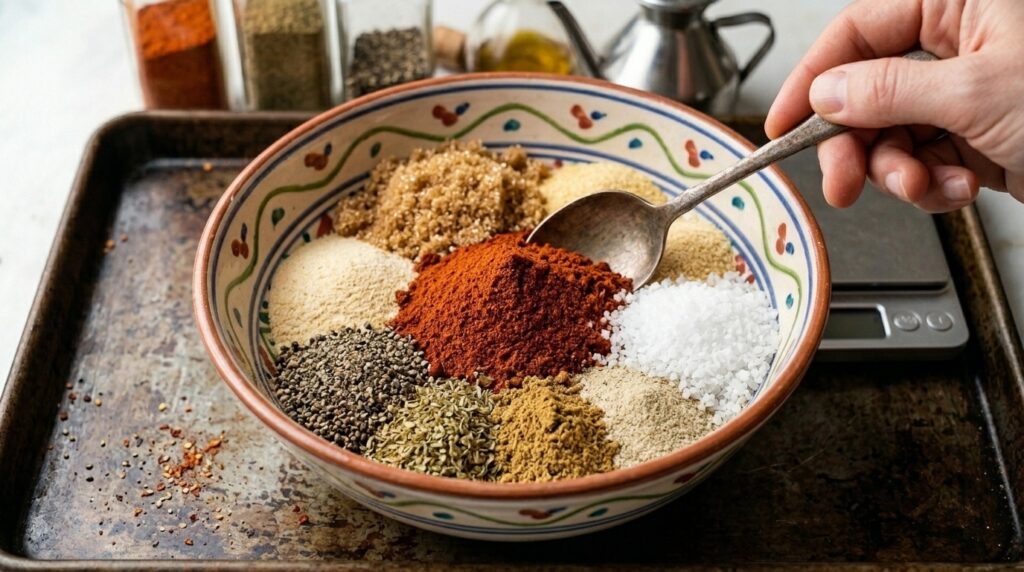
In a medium-sized mixing bowl, add the cayenne pepper, smoked paprika, garlic powder, onion powder, brown sugar, black pepper, dried oregano, salt, white pepper, and ground cumin. Make sure the bowl is large enough to allow for thorough mixing without spilling.
Step 3: Mix Thoroughly
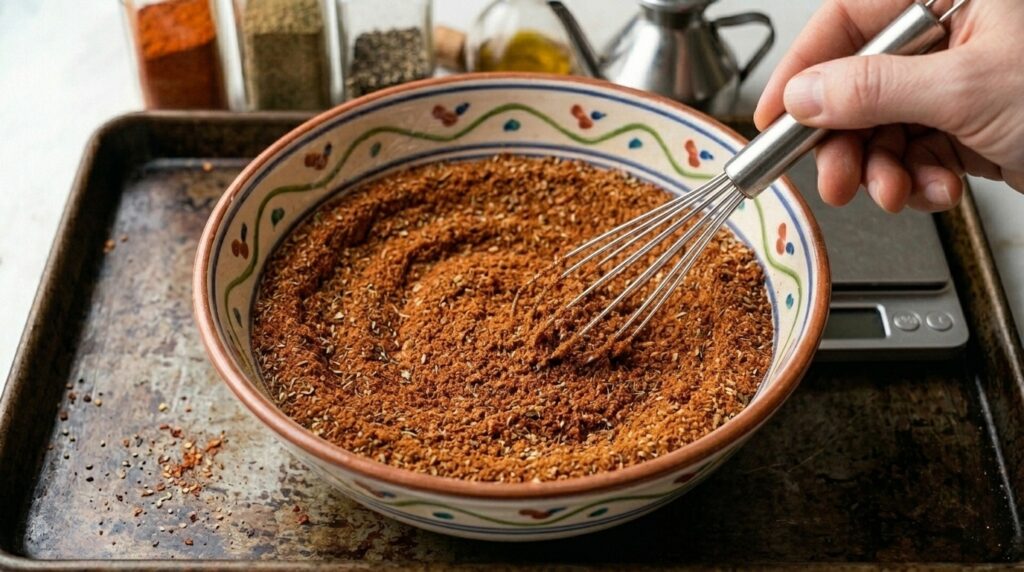
Using a whisk or a fork, gently but thoroughly combine all the spices. Continue mixing until the blend is uniform in color and texture, ensuring there are no clumps of brown sugar or concentrated pockets of any single spice. This even distribution is vital for consistent flavor in every bite of chicken.
Step 4: Store Your Dry Rub
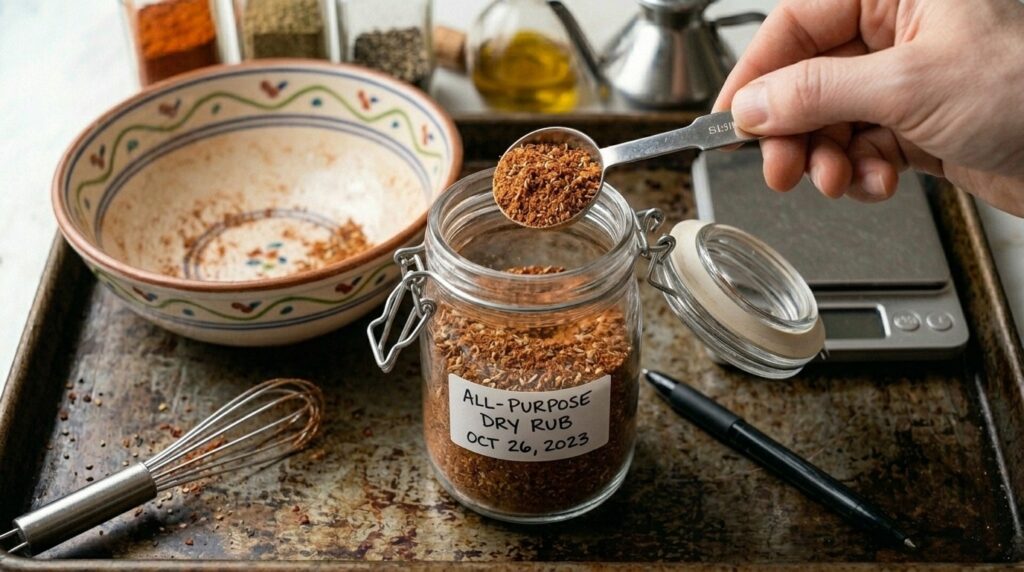
Once mixed, transfer your homemade dry rub into an airtight spice jar or container. Proper storage is essential to maintain the freshness and potency of your spices. Label the container with the date for future reference.
Step 5: Ready to Use!
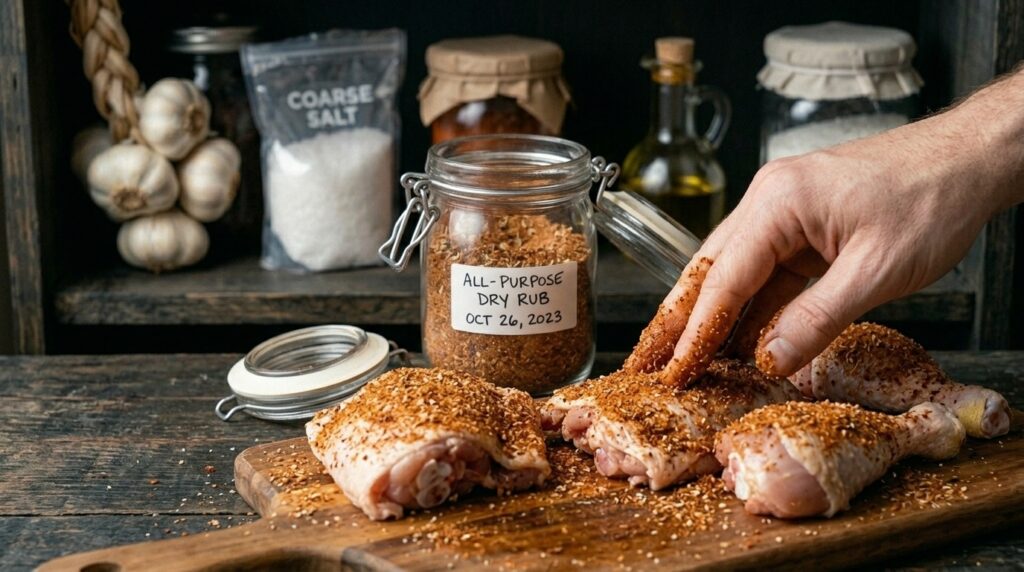
Store the dry rub in a cool, dark pantry, away from direct sunlight and heat. It’s now perfectly ready to be generously applied to chicken cuts before frying, grilling, or baking. For inspiration on how to use it, you might enjoy our recipe for Crispy Buffalo Wings, where a similar rub technique could be applied for a spicy twist. Remember, this rub isn’t just for chicken; it’s versatile enough for pork or even roasted vegetables!
Homemade Dave’s Hot Chicken Dry Rub: Your Step-by-Step Guide
Ingredients
- 1/4 cup cayenne pepper (adjust to desired heat)
- 2 tablespoons smoked paprika
- 1 tablespoon garlic powder
- 1 tablespoon onion powder
- 1 tablespoon light brown sugar, packed
- 2 teaspoons black pepper
- 1 teaspoon dried oregano
- 1 teaspoon salt
- 1/2 teaspoon white pepper
- 1/2 teaspoon ground cumin
Instructions
- Lay out all your measured spices on a clean surface. Accuracy is key for a balanced flavor, so ensure you have the correct amounts. A reliable digital kitchen scale can be incredibly helpful here for precise measurements, especially for larger batches. Having everything ready beforehand makes the process smooth and efficient.
- In a medium-sized mixing bowl, add the cayenne pepper, smoked paprika, garlic powder, onion powder, brown sugar, black pepper, dried oregano, salt, white pepper, and ground cumin. Make sure the bowl is large enough to allow for thorough mixing without spilling.
- Using a whisk or a fork, gently but thoroughly combine all the spices. Continue mixing until the blend is uniform in color and texture, ensuring there are no clumps of brown sugar or concentrated pockets of any single spice. This even distribution is vital for consistent flavor in every bite of chicken.
- Once mixed, transfer your homemade dry rub into an airtight spice jar or container. Proper storage is essential to maintain the freshness and potency of your spices. Label the container with the date for future reference.
- Store the dry rub in a cool, dark pantry, away from direct sunlight and heat. It’s now perfectly ready to be generously applied to chicken cuts before frying, grilling, or baking. For inspiration on how to use it, you might enjoy our recipe for Crispy Buffalo Wings, where a similar rub technique could be applied for a spicy twist. Remember, this rub isn’t just for chicken; it’s versatile enough for pork or even roasted vegetables!
FAQ Section
What makes Dave’s Hot Chicken rub so unique?
Can I adjust the spice level of this dry rub?
How long can I store this homemade dry rub?
What else can I use this dry rub on besides chicken?
Conclusion
Crafting your own Dave’s Hot Chicken dry rub is a rewarding experience that puts the power of flavor directly into your hands. With this simple step-by-step guide, you can confidently create a spice blend that delivers all the fiery, savory, and subtly sweet notes you crave. It’s an essential component for any aspiring hot chicken chef and a fantastic way to elevate your home cooking.
Don’t just dream about that Nashville heat; make it a reality! Get your spices ready, follow our instructions, and prepare to impress your taste buds and your guests. Share your homemade hot chicken creations with us in the comments below!