
Affiliate Disclosure: This post may contain affiliate links. If you make a purchase through these links, we may earn a commission at no extra cost to you. For more information, please see our affiliate disclosure.
In the quest for optimal well-being, gut health has emerged as a cornerstone of overall vitality. A balanced gut microbiome, teeming with beneficial bacteria, is linked to everything from improved digestion and a stronger immune system to enhanced mood and cognitive function. One of the most ancient and effective ways to cultivate this internal ecosystem is through the consumption of fermented foods.
Fermentation, a time-honored process, transforms ordinary ingredients into probiotic powerhouses. These living foods introduce a diverse array of beneficial microorganisms to your digestive tract, helping to crowd out harmful bacteria and create a flourishing environment. While store-bought options are readily available, making your own fermented recipes at home is not only incredibly rewarding but also allows you to control the ingredients and tailor flavors to your preference. From tangy kimchi to crisp sauerkraut and creamy yogurt, the world of fermented foods is vast and delicious. Let’s dive into some incredible recipes that will kickstart your journey to a happier, healthier gut!
Ingredients
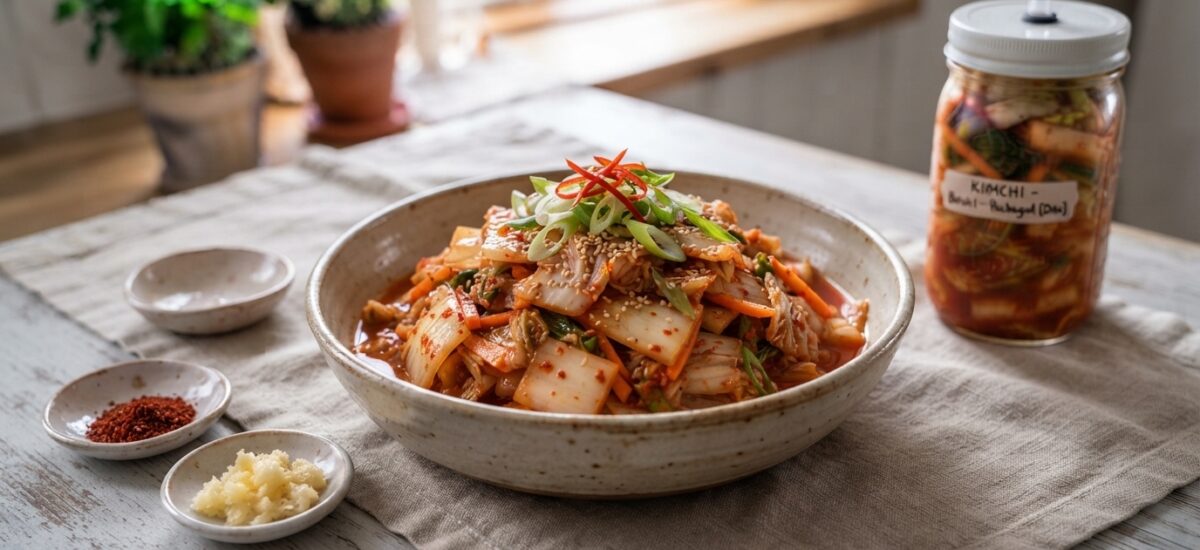
This vibrant and spicy Korean staple is a fantastic way to introduce fermented foods into your diet. It’s packed with probiotics, vitamins, and a flavor punch that can elevate any meal. Here’s what you’ll need for a basic napa cabbage kimchi.
- 1 large head (about 2-3 lbs) napa cabbage
- 1/4 cup coarse sea salt (or kosher salt)
- 1 cup warm water
- 2-3 tablespoons glutinous rice flour (or sweet rice flour)
- 1/4 cup sugar (or to taste)
- 1/2 cup gochugaru (Korean chili flakes), adjust to spice preference
- 1/4 cup fish sauce (or vegan alternative like soy sauce + mushroom powder)
- 1 tablespoon grated fresh ginger
- 6-8 cloves garlic, minced
- 1/2 cup chopped Korean radish (mu), or daikon radish
- 4-5 green onions, chopped into 1-inch pieces
- 1/2 small yellow onion, thinly sliced (optional)
- 2 tablespoons carrot, julienned (optional)
Product Spotlight
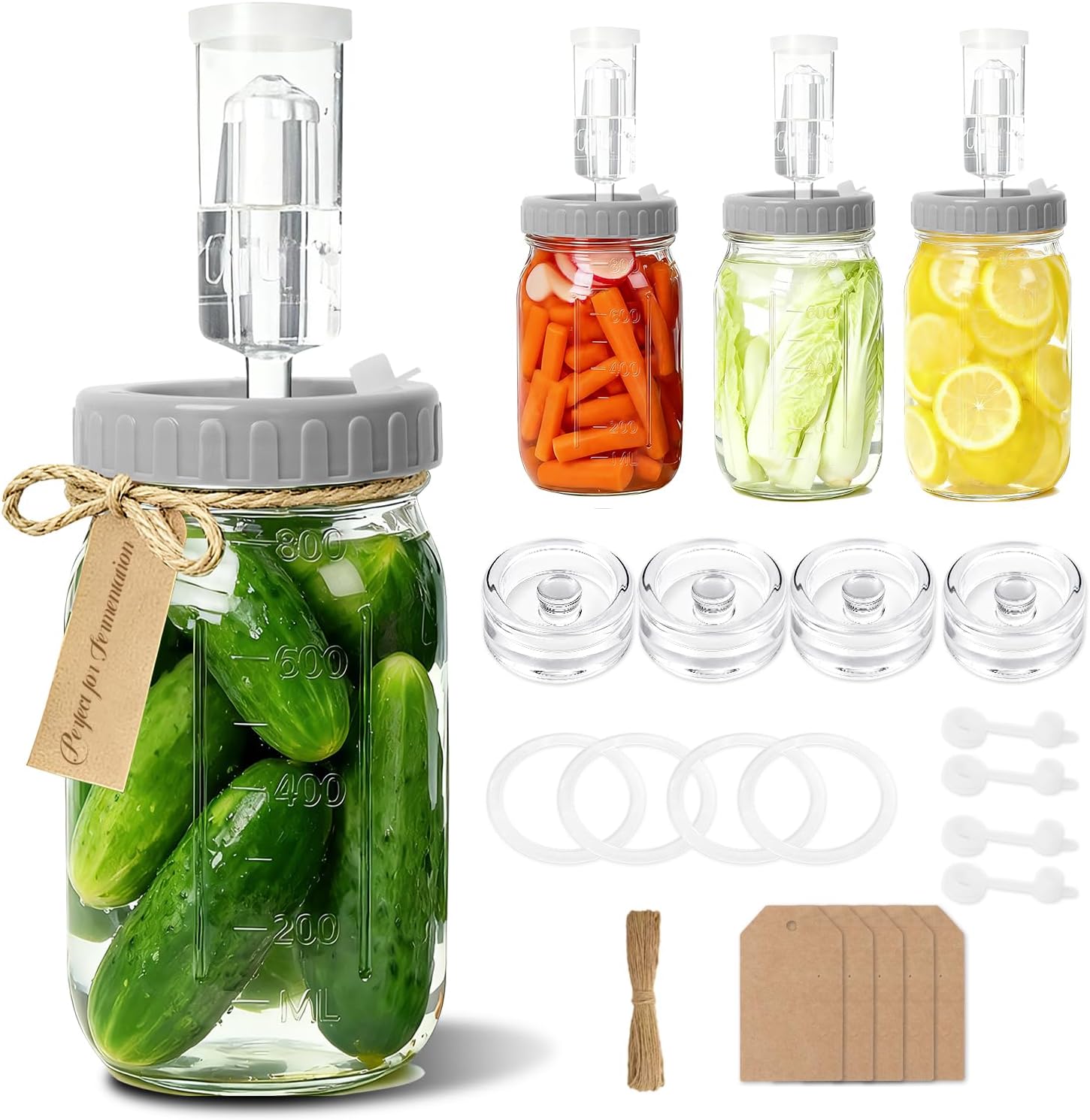
Fermentation Jar Set with Airlocks and Weights
$39.9932 oz per jar capacity. Glass, Silicone, Plastic finish.
Buy on AmazonStep-by-Step Instructions
Step 1: Prepare the Cabbage
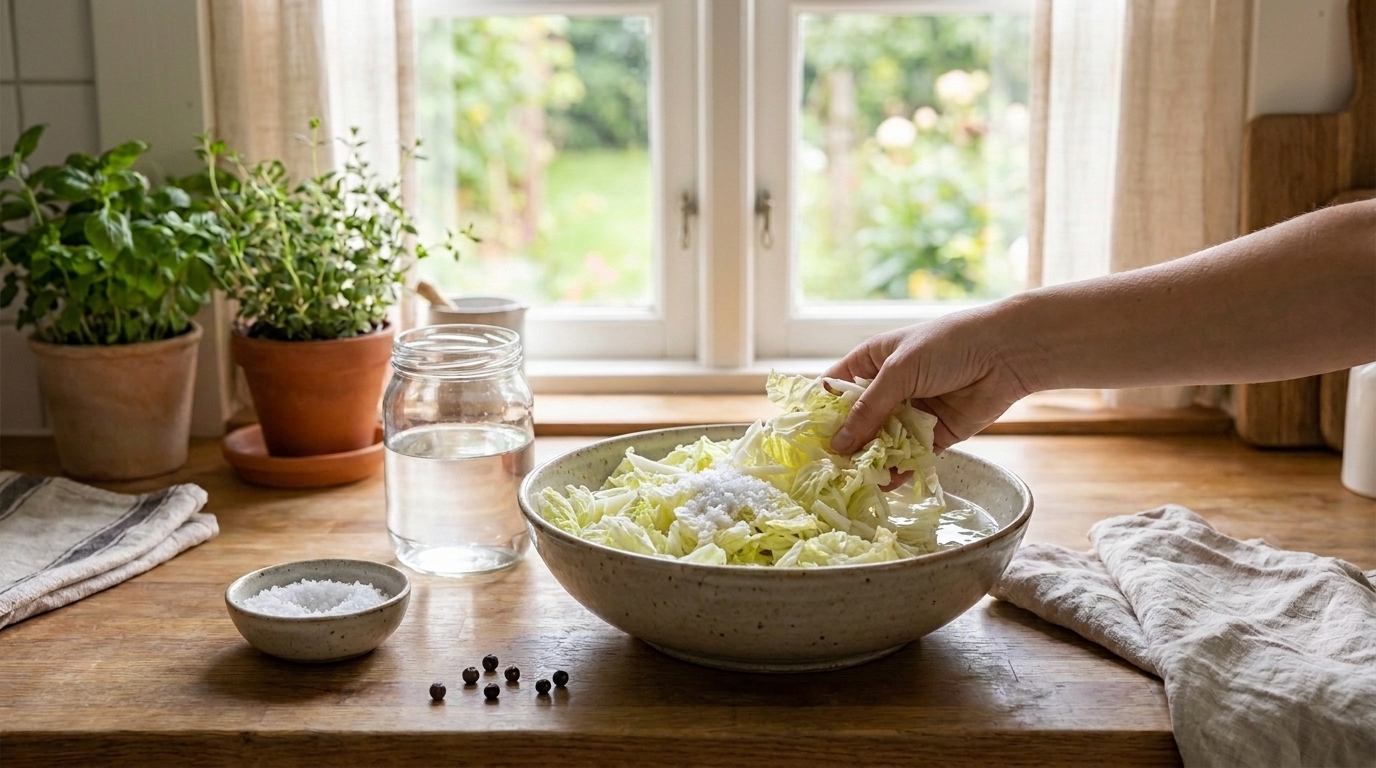
Quarter the napa cabbage lengthwise, then chop each quarter into 2-inch pieces. Place the chopped cabbage in a large bowl, sprinkle with coarse sea salt, and toss to coat evenly. Add enough water to barely cover the cabbage. Let it sit at room temperature for 1.5 to 2 hours, tossing every 30 minutes, until the cabbage has softened and is flexible. This brining process draws out water and seasons the cabbage.
Step 2: Rinse and Drain the Cabbage
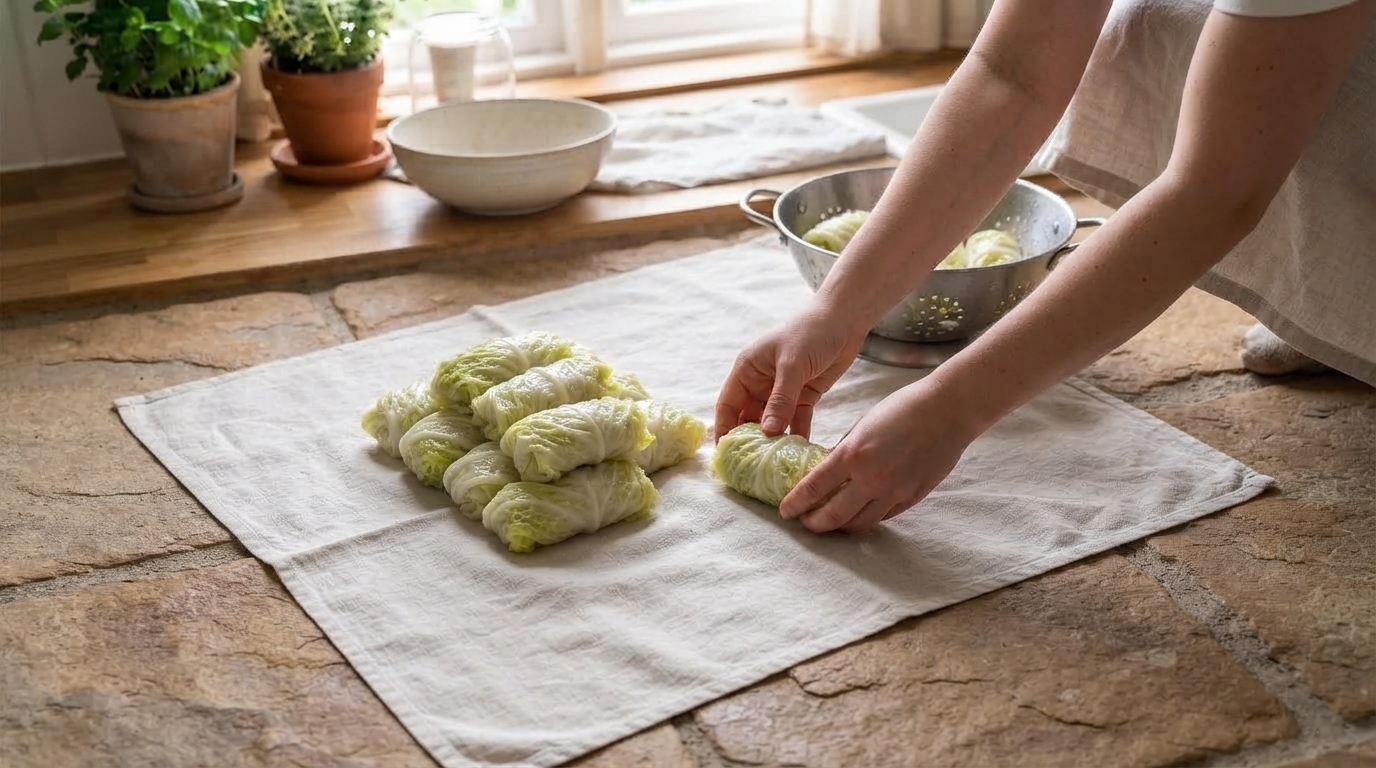
After brining, thoroughly rinse the cabbage under cold running water at least 3-4 times to remove excess salt. Squeeze out as much water as possible from the cabbage. A salad spinner can also be used for this. Set aside in a colander to drain while you prepare the paste.
Step 3: Make the Rice Porridge
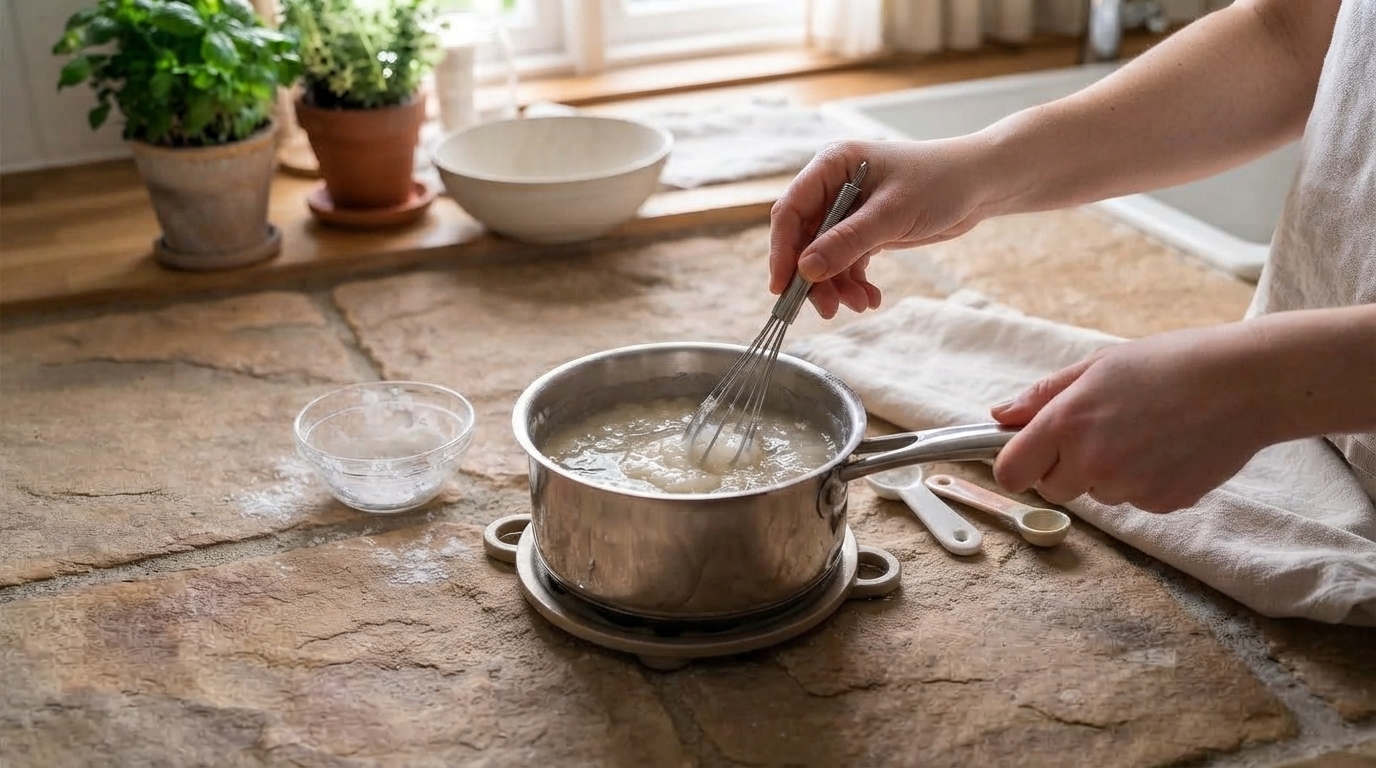
In a small saucepan, whisk together the glutinous rice flour and warm water until smooth. Cook over medium-low heat, stirring constantly, until the mixture thickens into a translucent porridge, about 5-7 minutes. Remove from heat and stir in the sugar until dissolved. Let this mixture cool completely.
Step 4: Prepare the Kimchi Paste
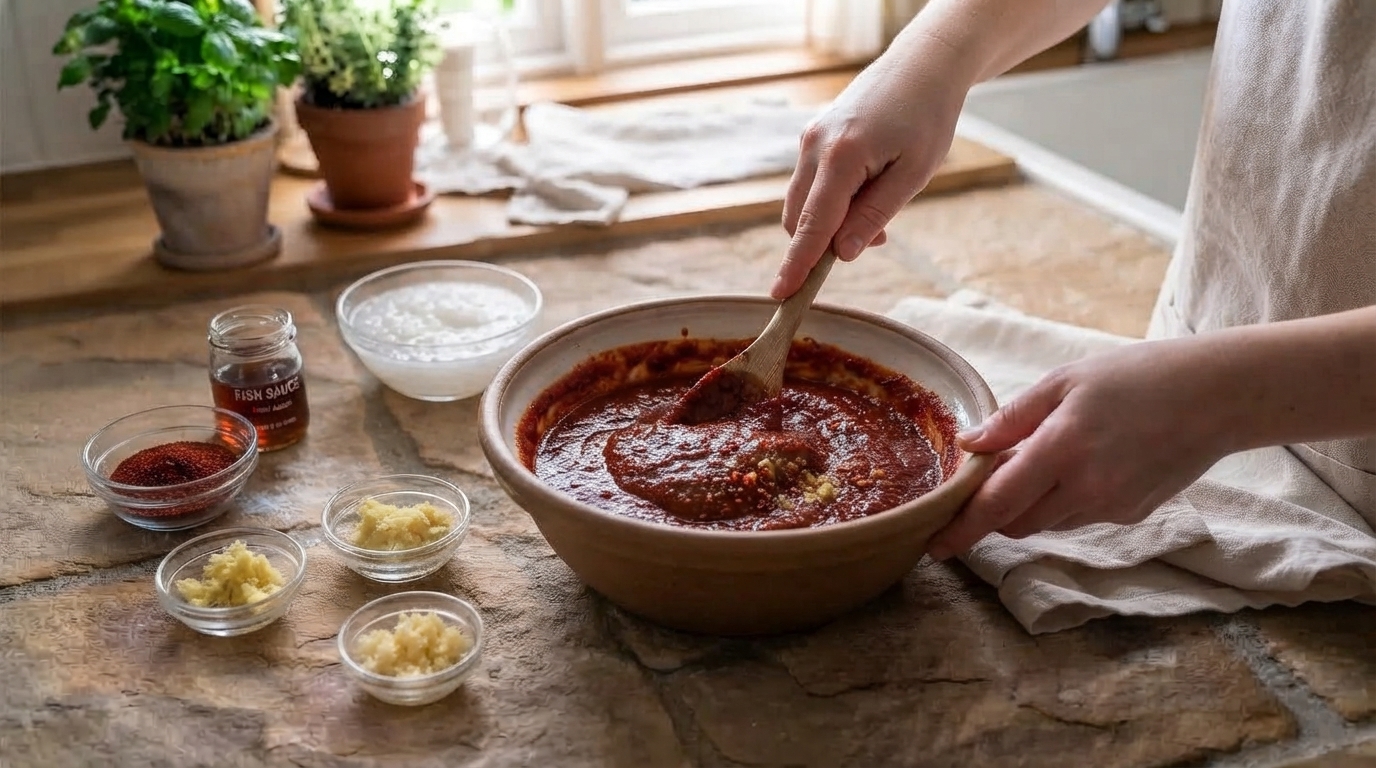
In a large mixing bowl, combine the cooled rice porridge, gochugaru, fish sauce, grated ginger, and minced garlic. Mix well until a thick, vibrant red paste forms. This paste is the heart of your kimchi, providing its signature flavor and color.
Step 5: Combine Ingredients
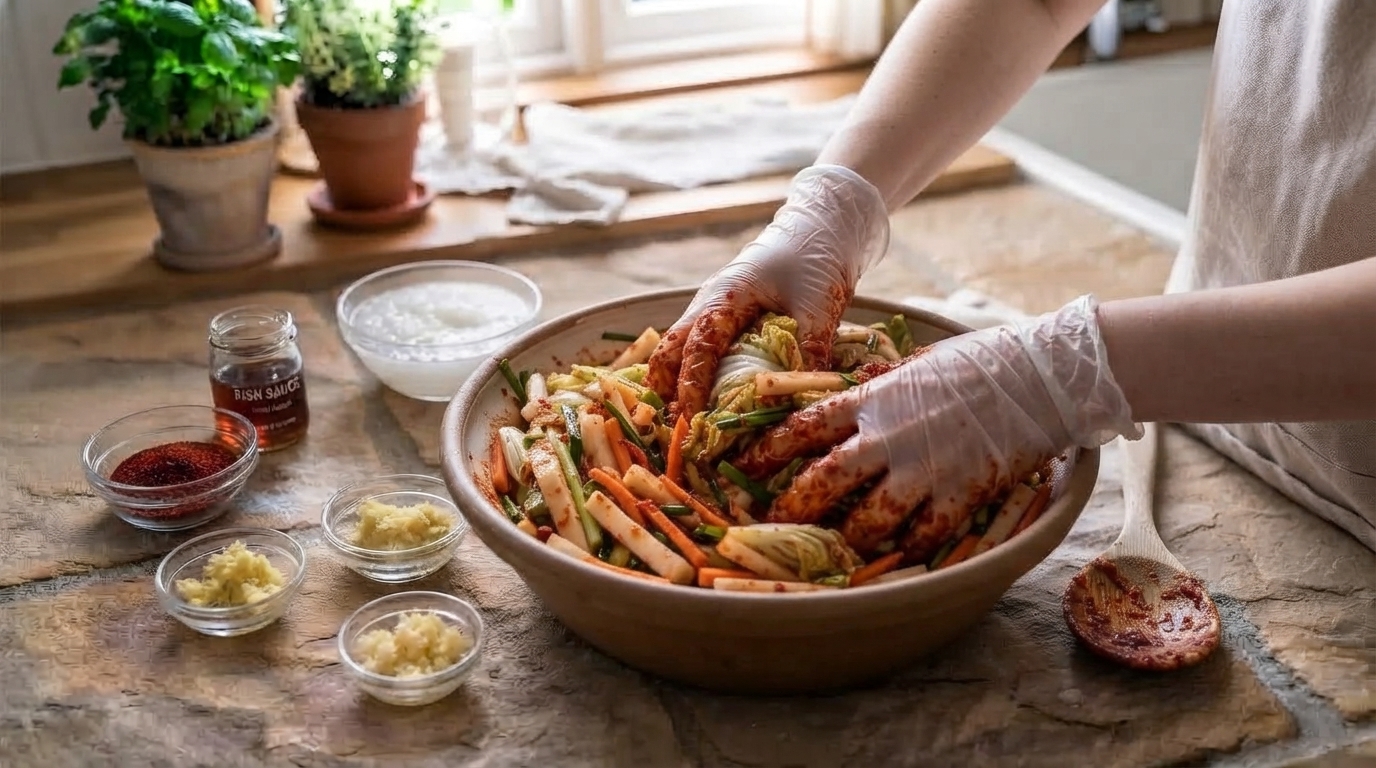
Add the drained cabbage, chopped Korean radish, green onions, and optional yellow onion and carrots to the bowl with the kimchi paste. Wearing food-safe gloves (this is highly recommended to protect your hands from the chili and fish sauce), thoroughly mix all ingredients by hand, ensuring every piece of cabbage is coated with the paste. Really get in there and massage the paste into the vegetables.
Step 6: Pack and Ferment
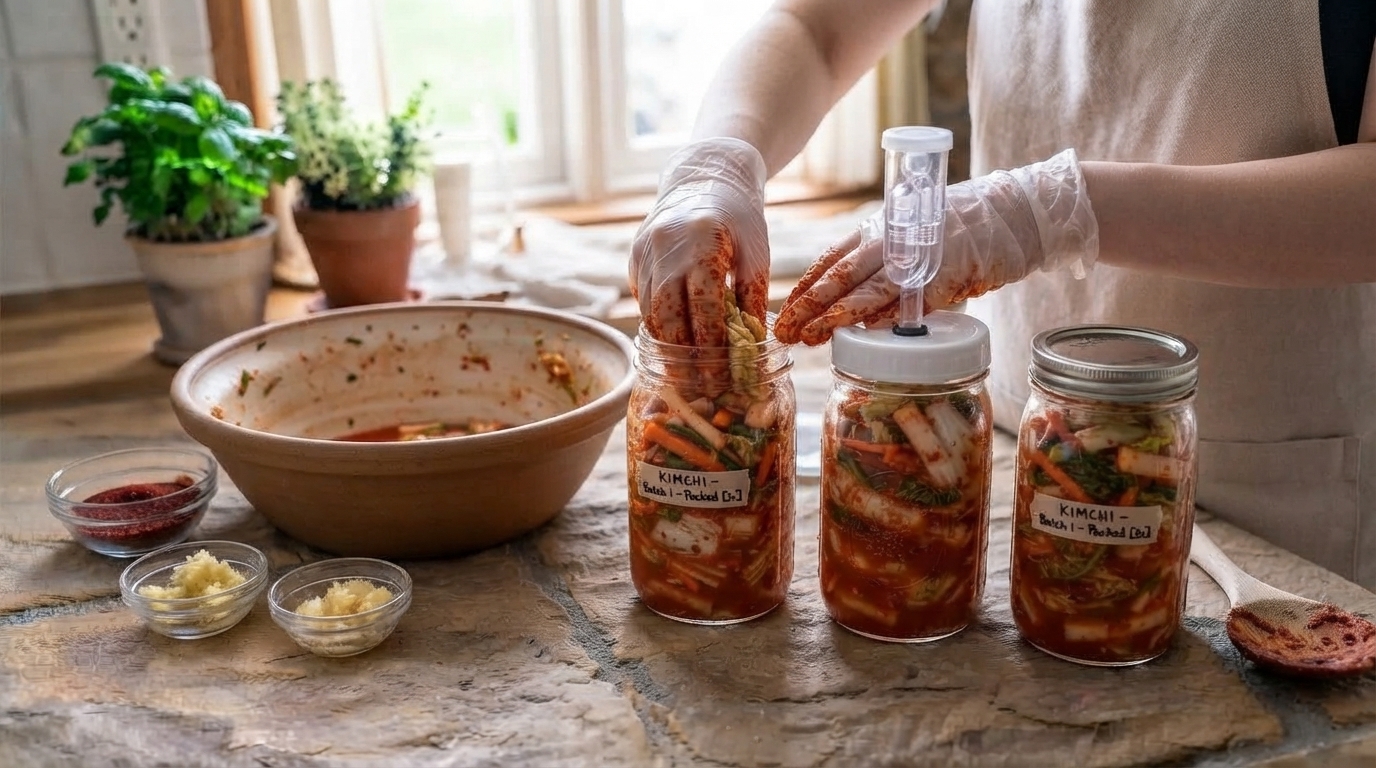
Pack the kimchi tightly into clean, sterilized jars , leaving about 1-2 inches of headspace at the top. Press down firmly to remove any air pockets and ensure the cabbage is submerged under its own liquid. If needed, you can use a fermentation weight to keep the vegetables submerged. Seal the jars loosely with lids or use an airlock system to allow gases to escape. Let the jars ferment at room temperature (ideally 65-70°F / 18-21°C) for 1-5 days. The fermentation time depends on your preference for tanginess and the ambient temperature. Taste daily after day 1. Once it reaches your desired tanginess, transfer the kimchi to the refrigerator, where it will continue to ferment slowly and can be stored for several weeks or even months.
Boost Your Gut Health: Delicious Fermented Recipes You Can Make at Home
Ingredients
- 1 large head (about 2-3 lbs) napa cabbage
- 1/4 cup coarse sea salt (or kosher salt)
- 1 cup warm water
- 2-3 tablespoons glutinous rice flour (or sweet rice flour)
- 1/4 cup sugar (or to taste)
- 1/2 cup gochugaru (Korean chili flakes), adjust to spice preference
- 1/4 cup fish sauce (or vegan alternative like soy sauce + mushroom powder)
- 1 tablespoon grated fresh ginger
- 6-8 cloves garlic, minced
- 1/2 cup chopped Korean radish (mu), or daikon radish
- 4-5 green onions, chopped into 1-inch pieces
- 1/2 small yellow onion, thinly sliced (optional)
- 2 tablespoons carrot, julienned (optional)
Instructions
- Quarter the napa cabbage lengthwise, then chop each quarter into 2-inch pieces. Place the chopped cabbage in a large bowl, sprinkle with coarse sea salt, and toss to coat evenly. Add enough water to barely cover the cabbage. Let it sit at room temperature for 1.5 to 2 hours, tossing every 30 minutes, until the cabbage has softened and is flexible. This brining process draws out water and seasons the cabbage.
- After brining, thoroughly rinse the cabbage under cold running water at least 3-4 times to remove excess salt. Squeeze out as much water as possible from the cabbage. A salad spinner [PRODUCT_AFFILIATE_LINK_1] can also be used for this. Set aside in a colander to drain while you prepare the paste.
- In a small saucepan, whisk together the glutinous rice flour and warm water until smooth. Cook over medium-low heat, stirring constantly, until the mixture thickens into a translucent porridge, about 5-7 minutes. Remove from heat and stir in the sugar until dissolved. Let this mixture cool completely.
- In a large mixing bowl, combine the cooled rice porridge, gochugaru, fish sauce, grated ginger, and minced garlic. Mix well until a thick, vibrant red paste forms. This paste is the heart of your kimchi, providing its signature flavor and color.
- Add the drained cabbage, chopped Korean radish, green onions, and optional yellow onion and carrots to the bowl with the kimchi paste. Wearing food-safe gloves [PRODUCT_AFFILIATE_LINK_2] (this is highly recommended to protect your hands from the chili and fish sauce), thoroughly mix all ingredients by hand, ensuring every piece of cabbage is coated with the paste. Really get in there and massage the paste into the vegetables.
- Pack the kimchi tightly into clean, sterilized jars [PRODUCT_AFFILIATE_LINK_3], leaving about 1-2 inches of headspace at the top. Press down firmly to remove any air pockets and ensure the cabbage is submerged under its own liquid. If needed, you can use a fermentation weight [PRODUCT_AFFILIATE_LINK_4] to keep the vegetables submerged. Seal the jars loosely with lids or use an airlock system [PRODUCT_AFFILIATE_LINK_5] to allow gases to escape. Let the jars ferment at room temperature (ideally 65-70°F / 18-21°C) for 1-5 days. The fermentation time depends on your preference for tanginess and the ambient temperature. Taste daily after day 1. Once it reaches your desired tanginess, transfer the kimchi to the refrigerator, where it will continue to ferment slowly and can be stored for several weeks or even months.
FAQ Section
What are the main benefits of eating fermented foods?
Are all fermented foods good for gut health?
How long do homemade fermented foods last?
Conclusion
Incorporating fermented foods into your diet is a simple yet profound step towards enhancing your gut health and overall well-being. Whether you start with a spicy batch of homemade kimchi, a refreshing glass of kombucha, or a tangy spoonful of yogurt, you’re embracing a tradition that nourishes your body from the inside out. Experiment with different ingredients, spices, and fermentation times to discover your favorite flavors. Your gut will thank you!
Ready to explore more delicious and healthy recipes? Check out our Homemade Ketchup Without Sugar for another fantastic condiment idea.
Pin This Recipe For Later
Save this delicious homemade recipe & step-by-step cooking guide directly to your Pinterest board!