
Last Updated: November 25, 2026 — Verified & Updated for 2026
Introduction
There’s nothing worse than a limp, soggy salad. Whether you’re tossing together a quick Mediterranean salad or prepping greens for a vegan cashew cream pasta (try our recipe here), a good salad spinner is your secret weapon for crisp, fresh leaves every time. (For another reader favorite, check out our Best Commercial Salad Spinner: Top Picks for Crisp Greens Every Time.)

In this guide, we’ll cover the best salad spinners in 2025, why they matter, and how to choose the right one for your kitchen. We’ve tested and researched top models to ensure your greens stay fresh, vibrant, and ready for dressing. (If you enjoy this topic, you may also love Electric Salad Spinners That Save Time.)
Affiliate Disclosure: This post may contain affiliate links. If you purchase through these links, we may earn a small commission at no extra cost to you. We only recommend products we trust.
Top 5 Best Salad Spinners for Crisp, Fresh Greens
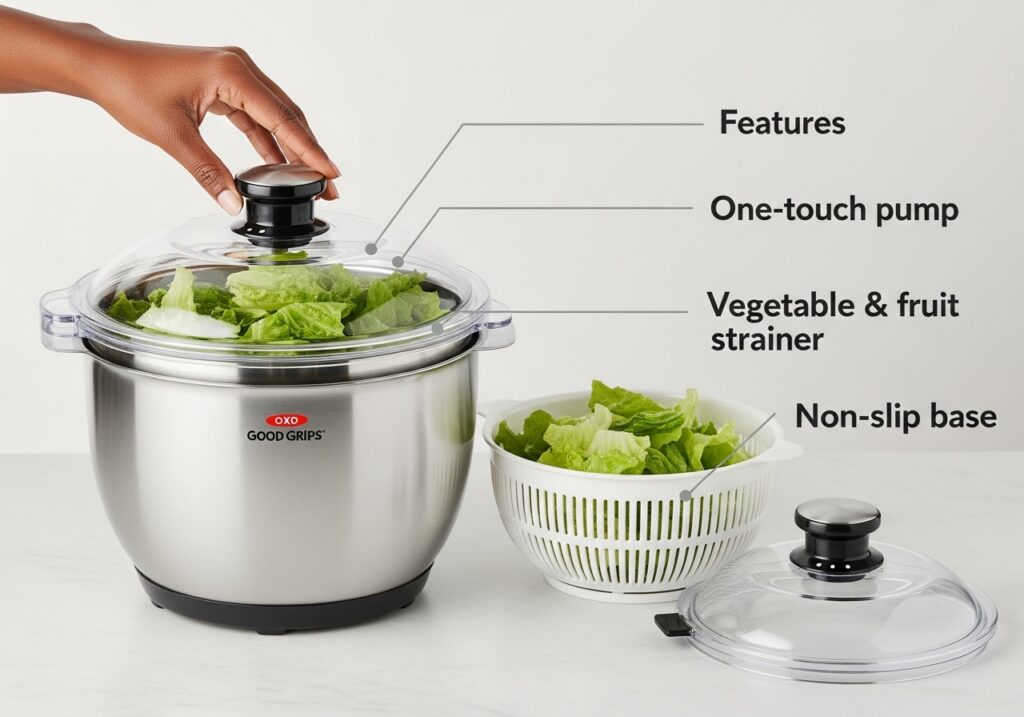
1. OXO Good Grips Large Salad Spinner
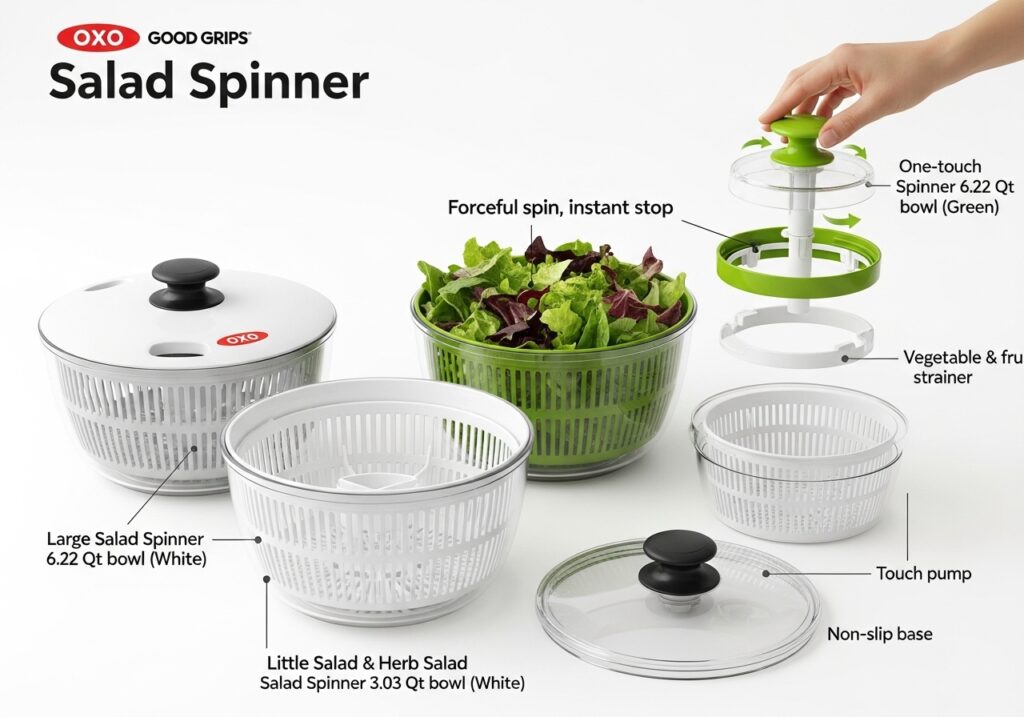
- Capacity: 6.22 quarts
- Why we love it: One-handed pump, brake button, and non-slip base.
2. Cuisinart Salad Spinner
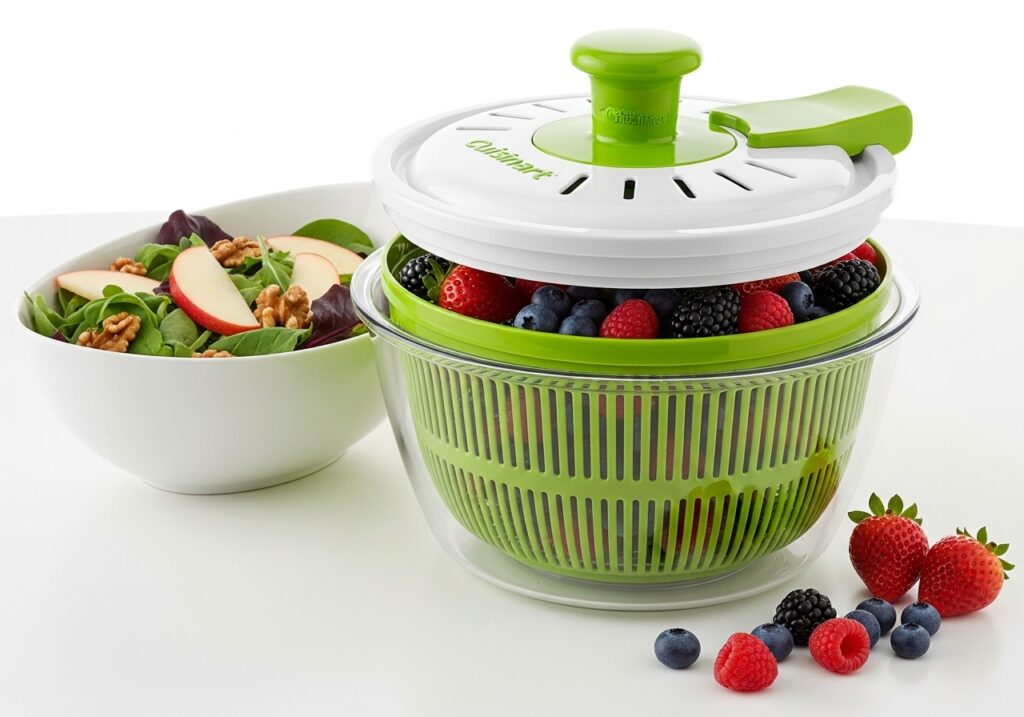
- Capacity: 5 quarts
- Why we love it: Classic crank design, affordable, dishwasher safe.
3. Zyliss Easy Spin Salad Spinner 2
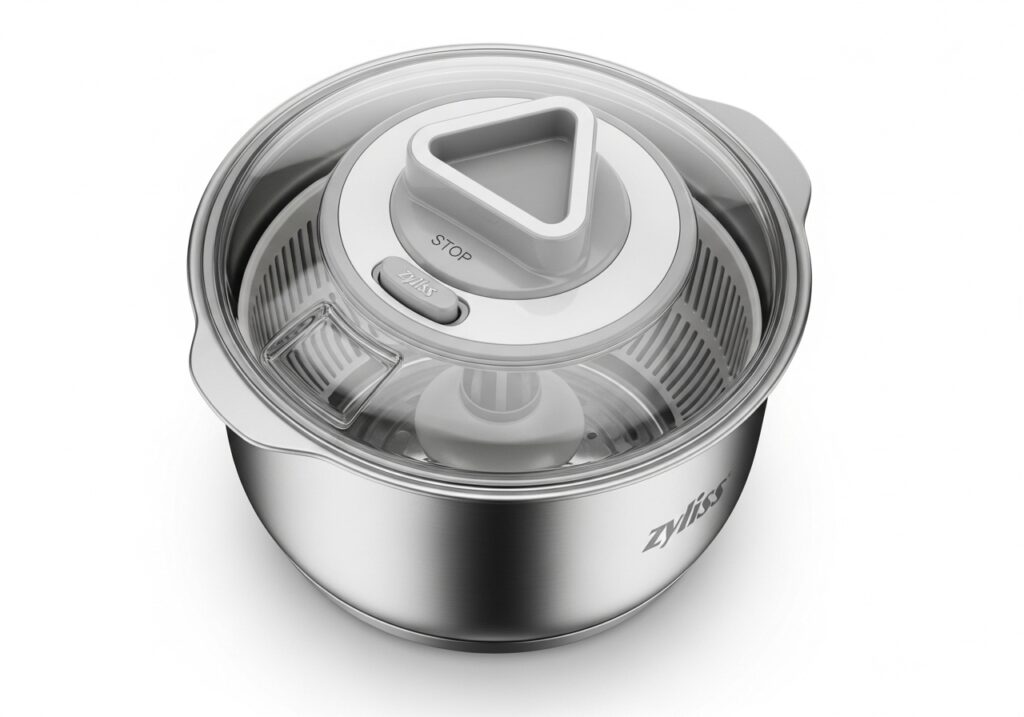
- Capacity: 6.3 quarts
- Why we love it: Pull cord system for quick drying, ergonomic design.
4. Westmark German Salad Spinner
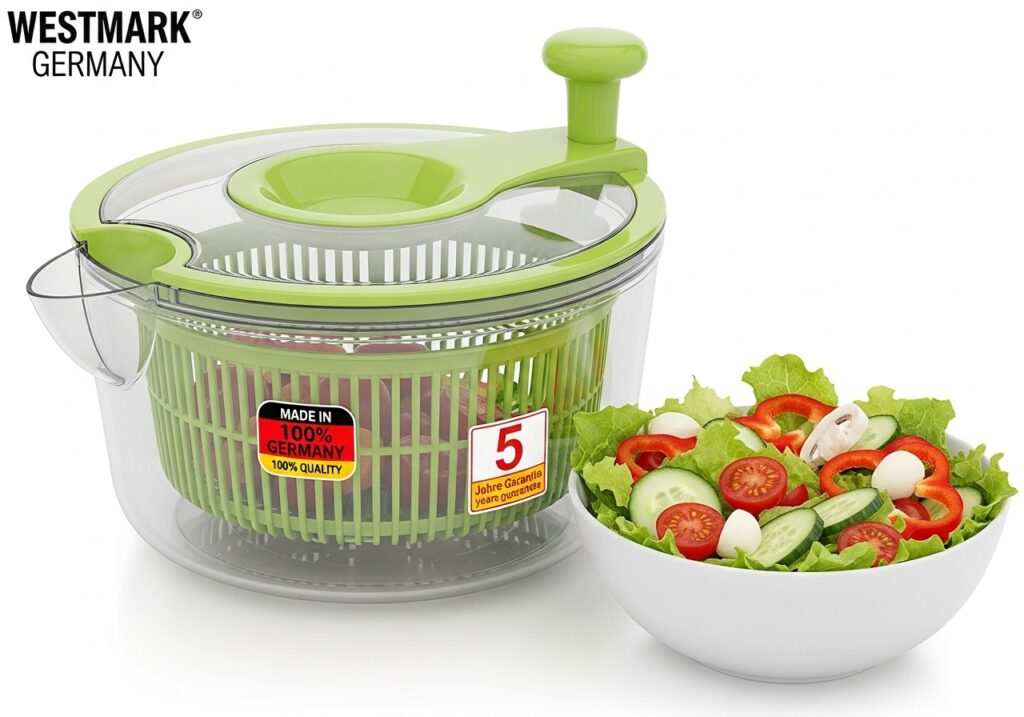
- Capacity: 5 liters
- Why we love it: Durable German engineering, smooth crank mechanism.
5. OXO Good Grips Little Salad Spinner (Best for small kitchens)
- Capacity: 4.0 quarts
- Why we love it: Perfect for single servings or herbs.
How to Use a Salad Spinner for Crisp Greens
- Wash – Fill the basket with greens and rinse thoroughly under cold water.
- Drain – Let excess water run out before spinning.
- Spin – Pump, crank, or pull the cord depending on your model.
- Stop – Use the brake or allow a natural stop.
- Serve or Store – Dry greens can be stored in the fridge for 3–5 days.
Pro Tip: Drying your greens completely helps dressings cling better and prevents dilution of flavor. (Pair this with our step-by-step guide to Best Salad Spinner for Home Cooks: OXO Good Grips 6.22 Qt Salad Spinner Review & Comparison.)
Chef Tips for Fresher Greens
- Use cold water: It perks up wilted leaves.
- Dry immediately: Don’t let greens sit wet—spin right away.
- Store with paper towels: Keeps moisture in check inside containers.
- Pair with recipes like our Refreshing Homemade Gazpacho for ultimate summer freshness.
Variations & Alternative Uses
Salad spinners aren’t just for lettuce! You can also:
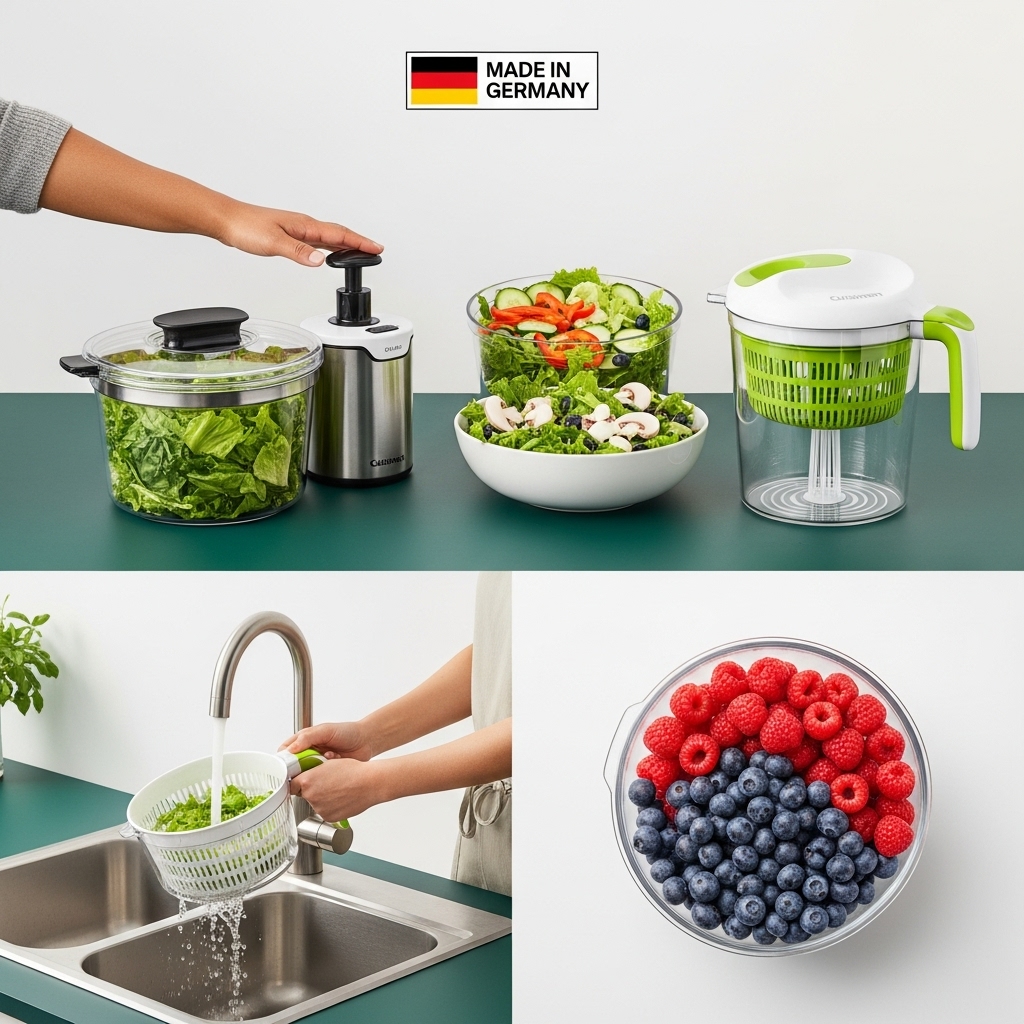
- Wash and dry fresh herbs
- Rinse and dry berries (spin gently)
- Remove excess water from spiralized zucchini before cooking (see our 10-minute sautéed zucchini recipe)
- Drain canned beans or cooked pasta quickly
FAQs
Q: Do I really need a salad spinner?
A: Yes—unless you enjoy wet, soggy greens. Spinners save time and improve texture. (For more kitchen inspiration, explore Seven Layer Gelatin Salad Recipe: Fresh & Crisp Homemade.)
Q: Can salad spinners go in the dishwasher?
A: Most modern ones have dishwasher-safe baskets and lids (check manufacturer’s instructions). (See also our complete culinary breakdown on Frisée Salad with Bacon Recipe: Fresh & Crisp Homemade.)
Q: How do I store my spinner?
A: Keep it in a cabinet or under your counter. Some models nest for compact storage. You can also check the latest price and verified kitchen reviews on Amazon.
Q: Are expensive models worth it?
A: If you use it often, yes. Higher-end models are more durable and efficient. You can also browse organic pantry staples on HerbsPro.
Conclusion & Call-to-Action
A good salad spinner is one of those kitchen tools you don’t know you need—until you try it. Whether you go for the OXO Good Grips or the budget-friendly Cuisinart, you’ll enjoy crisper, fresher salads every time.
If you love vibrant greens, try pairing your new salad spinner with our Frisée Salad with Bacon or Ceviche Peruano for a restaurant-worthy meal at home.
Now it’s your turn!
Drop a comment below—what’s your favorite salad spinner hack? Share this post with your salad-loving friends and keep the greens fresh!
Expert Buying & Preparation Tips for Best Salad Spinners for Crisp, Fresh Greens – Buyer’s Guide (2026)
Getting consistent, restaurant-grade results with Best Salad Spinners for Crisp, Fresh Greens – Buyer’s Guide comes down to repeatable technique, temperature control, and matching your equipment to your daily kitchen workflow.
- Prioritize Build Quality & Thermal Stability: Consistent heat distribution and durable materials prevent hot spots and extend equipment lifespan by years.
- Measure & Prep Before Starting: Organizing ingredients and tools ahead of time eliminates timing errors during critical cooking stages.
- Clean & Maintain Immediately: Hand-washing sensitive components and keeping surfaces dry preserves performance and food safety.
- Check Capacity Against Household Size: Choosing the right size avoids overcrowding, which causes steaming instead of crisp browning.
Common Mistakes to Avoid
The most frequent mistake home cooks make with Best Salad Spinners for Crisp, Fresh Greens – Buyer’s Guide is rushing preheating or skipping moisture control. Always allow cookware and appliances to reach target temperature before adding food.
A second pitfall is overlooking routine calibration and storage care. Keeping blades, seals, or heating elements clean ensures peak efficiency throughout 2026 and beyond.
Frequently Asked Questions
What matters most when choosing Best Salad Spinners for Crisp, Fresh Greens – Buyer’s Guide in 2026?
Focus on material durability, ease of cleaning, real-world capacity, and reliable temperature or precision control rather than unnecessary extra presets.
How do I maintain peak performance over time?
Follow manufacturer care guidelines, avoid thermal shock from cold water on hot surfaces, and store dry in a ventilated space.
Is upgrading worth it for everyday home cooks?
Yes—upgrading saves prep time, improves texture and flavor consistency, and reduces replacement costs over a 3 to 5 year window.