
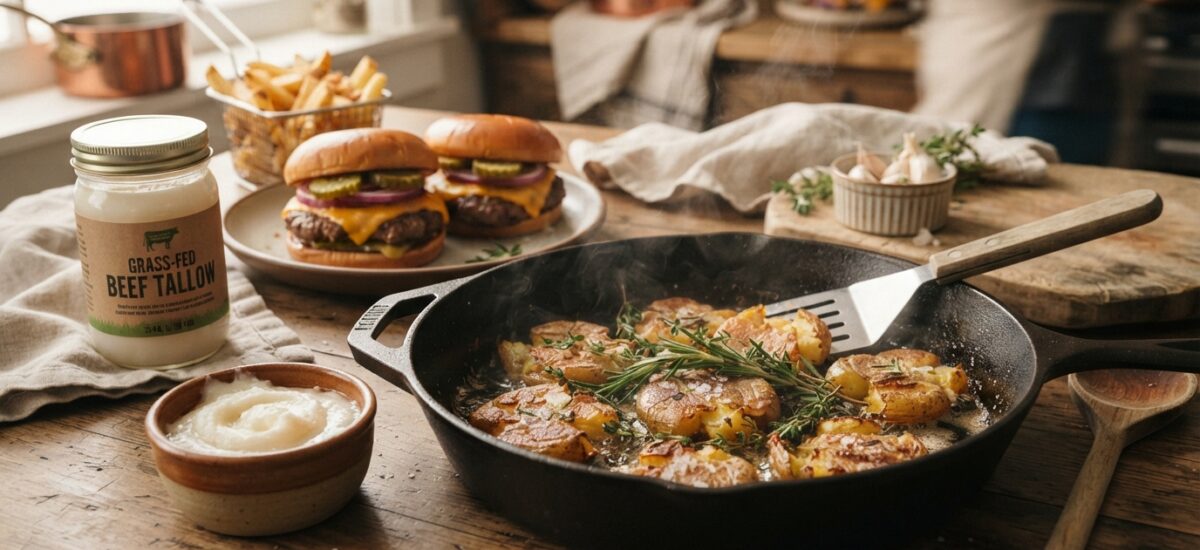
Product Spotlight

Step-by-Step Instructions
Unlock the Secret to Incredible Flavor: Easy Tallow Cooking Recipes
Tallow, the rendered fat of beef or mutton, has been a culinary staple for centuries. Far from being an old-fashioned ingredient, tallow is experiencing a resurgence thanks to its incredible flavor, high smoke point, and versatility in the kitchen. If you’re looking for easy tallow cooking recipes that will elevate your meals from ordinary to extraordinary, you’ve come to the right place!
Whether you’re embracing a ketogenic or paleo lifestyle, or simply seeking to add a depth of flavor and a delightful crispiness to your dishes, tallow is your secret weapon. Forget the processed cooking oils that can break down under heat; tallow is a stable, delicious fat that enhances everything it touches. From perfectly crispy fried chicken to unbelievably flaky pie crusts, tallow delivers results that are hard to beat. Let’s dive into how you can easily incorporate this ancient fat into your modern cooking repertoire.
Why Cook with Tallow?
Beyond its rich, savory flavor, tallow offers several advantages for home cooks:
- High Smoke Point: Tallow has a high smoke point (around 400°F or 204°C), making it ideal for high-heat cooking methods like searing, frying, and roasting without burning or producing unpleasant odors.
- Nutrient-Rich: Tallow is a good source of saturated fats, including conjugated linoleic acid (CLA), which has potential health benefits. It also contains fat-soluble vitamins like A, D, E, and K.
- Flavor Enhancement: Tallow imparts a subtle, delicious beefy flavor that complements a wide range of dishes, from savory meats to baked goods.
- Crispiness Factor: For anything you want to make exceptionally crispy – think french fries, fried chicken, or roasted vegetables – tallow is your best friend.
How to Render Beef Tallow at Home (The Easy Way!)
Before you can start cooking with tallow, you might need to render your own. It’s a surprisingly simple process! You can use beef fat trimmings from your butcher or even the fat cap from a roast.
Method: Stovetop or Slow Cooker
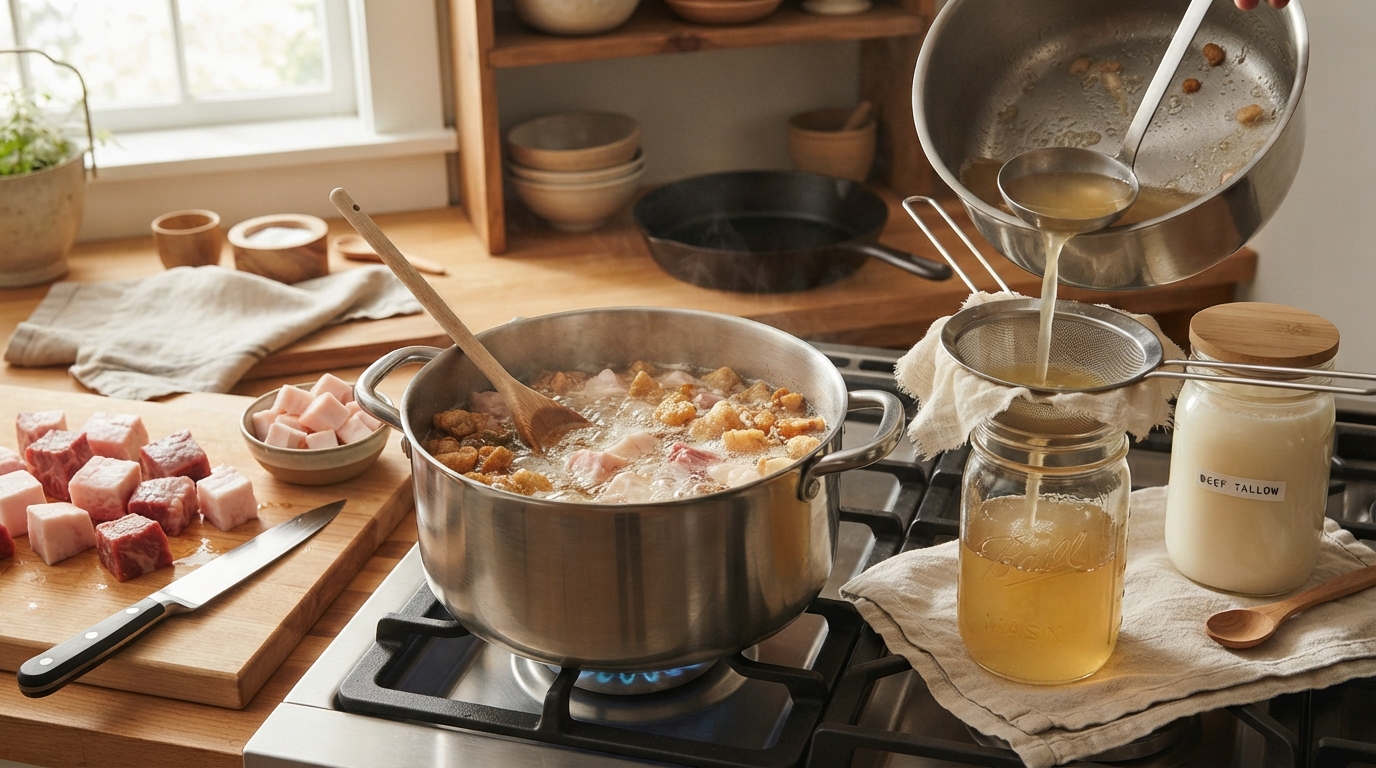
- Prepare the Fat: Cut the beef fat into small, uniform pieces (about 1-inch cubes). This helps it render more evenly.
- Low and Slow: Place the fat pieces in a heavy-bottomed pot or a slow cooker. Add just enough water to cover the bottom of the pot (about 1/4 inch) if using the stovetop method to prevent scorching. For a slow cooker, you can often start without water.
- Cook Gently: Cook over low heat on the stovetop, stirring occasionally, or set your slow cooker to low. The goal is to gently melt the fat without browning it too quickly. This process can take 1-3 hours, depending on the method and amount of fat. You’ll see the fat liquefy and the solids (cracklings) begin to brown.
- Strain: Once the solids are golden brown and the fat is clear, carefully strain the liquid tallow through a fine-mesh sieve lined with cheesecloth into a heatproof container. Discard the browned solids (or save them for a tasty snack!).
- Cool and Store: Let the tallow cool completely. It will solidify into a creamy, opaque white or pale yellow substance. Store it in an airtight container in the refrigerator for several weeks or freeze it for longer storage. You can find more detailed methods here: How to Make Beef Tallow Right at Home and How to Make Beef Tallow at Home.
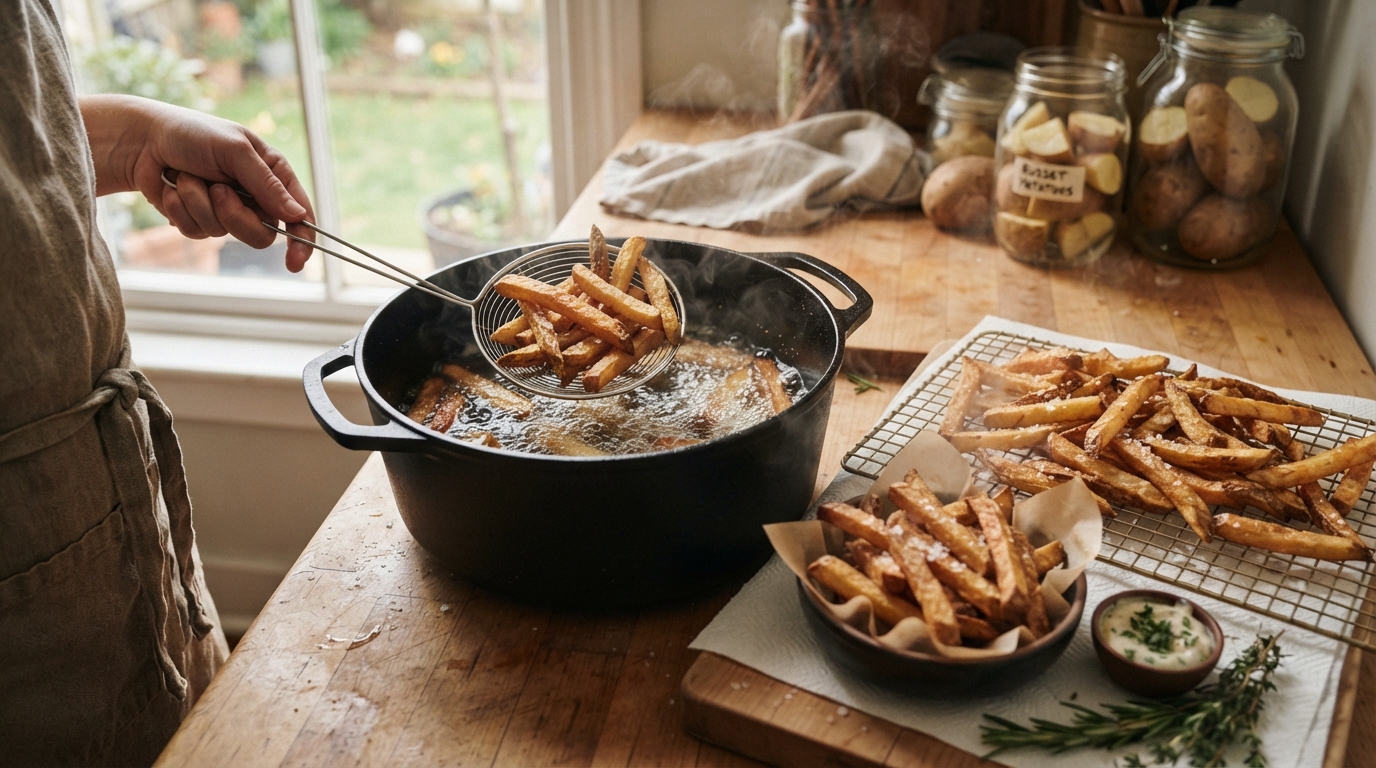
The Ultimate Crispy French Fries
Who doesn’t love perfectly crispy french fries? Tallow is the secret ingredient that makes them undeniably delicious and golden brown. This recipe is straightforward and yields restaurant-quality results.
Ingredients:- 2 lbs Russet potatoes, scrubbed clean
- 1-2 cups rendered beef tallow (enough to generously cover fries in the pan)
- Salt, to taste
- Cut the potatoes into your desired fry shape (about 1/4-inch thick). Rinse them under cold water and pat them thoroughly dry with paper towels. This is crucial for crispiness!
- Heat the tallow in a heavy-bottomed pot or Dutch oven over medium-low heat to about 300°F (150°C).
- Carefully add the dried potato strips to the hot tallow in batches, ensuring not to overcrowd the pot. Fry for about 5-7 minutes, until they are softened but not yet browned. This is the first fry.
- Remove the fries with a slotted spoon and drain them on a wire rack set over paper towels. Let them cool for at least 10-15 minutes.
- Increase the heat of the tallow to 375°F (190°C).
- Return the par-fried potatoes to the hot tallow in batches and fry for another 2-4 minutes, or until golden brown and crispy.
- Remove the fries, drain them well, and immediately season with salt. Serve hot.
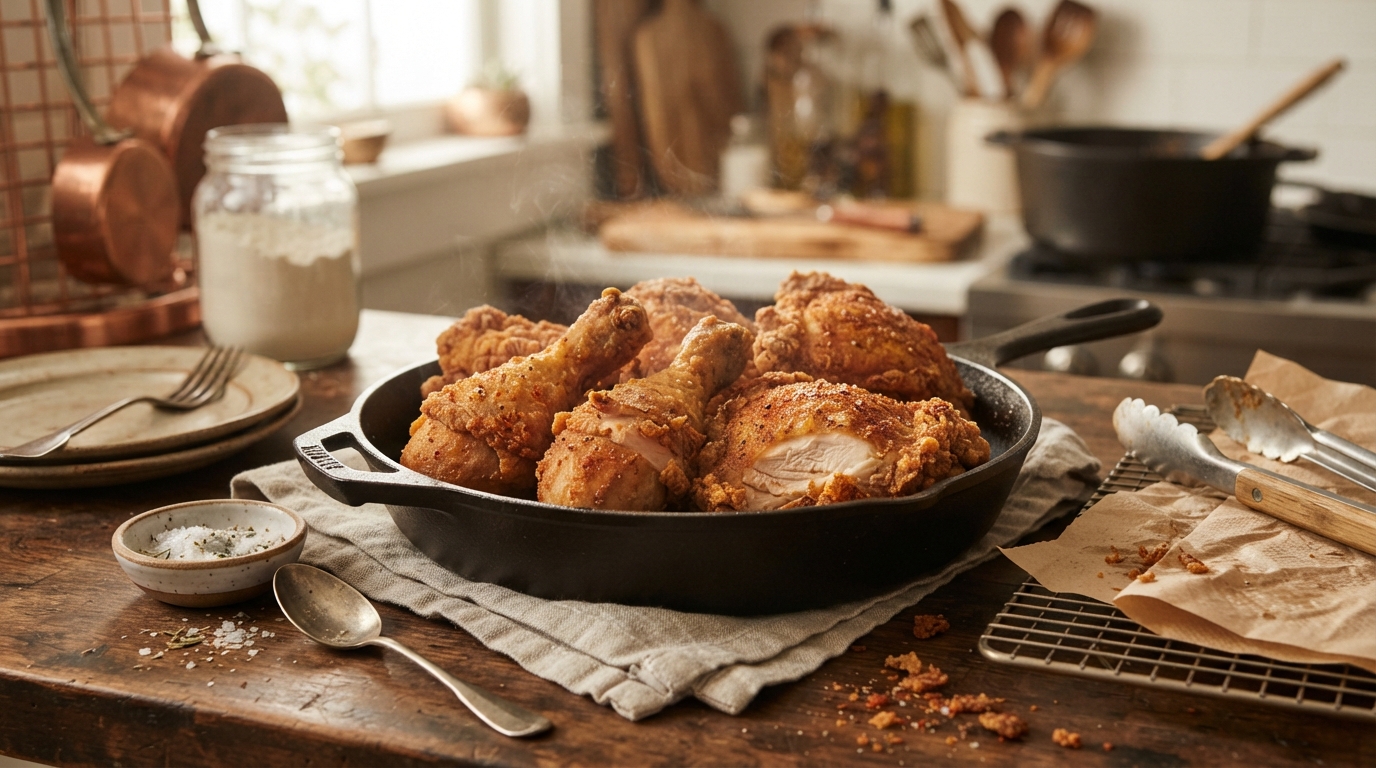
Perfectly Fried Chicken with a Tallow Crust
Tallow is legendary for making the crispiest, most flavorful fried chicken. Its high smoke point ensures a beautiful golden crust without burning.
Ingredients:- 4 lbs chicken pieces (thighs, drumsticks, breasts), bone-in, skin-on
- 2 cups all-purpose flour
- 2 tsp salt
- 1 tsp black pepper
- 1 tsp paprika
- 1/2 tsp cayenne pepper (optional)
- 2 large eggs, beaten
- 1/4 cup milk
- 4 cups rendered beef tallow (enough for deep frying)
- In a shallow dish, whisk together the flour, salt, pepper, paprika, and cayenne (if using).
- In another shallow dish, whisk the eggs and milk.
- Dredge each piece of chicken first in the egg mixture, letting any excess drip off, then coat thoroughly in the seasoned flour mixture, pressing gently to adhere. Place coated chicken on a wire rack.
- Heat the tallow in a large, heavy skillet (like a cast iron skillet) or Dutch oven over medium-high heat to 350°F (175°C).
- Carefully place chicken pieces into the hot tallow, skin-side down first. Do not overcrowd the skillet; fry in batches.
- Fry for about 6-8 minutes per side, or until deep golden brown and cooked through (internal temperature should reach 165°F or 74°C). Adjust heat as needed to maintain oil temperature.
- Remove chicken with tongs and drain on a wire rack set over paper towels. Let rest for a few minutes before serving.
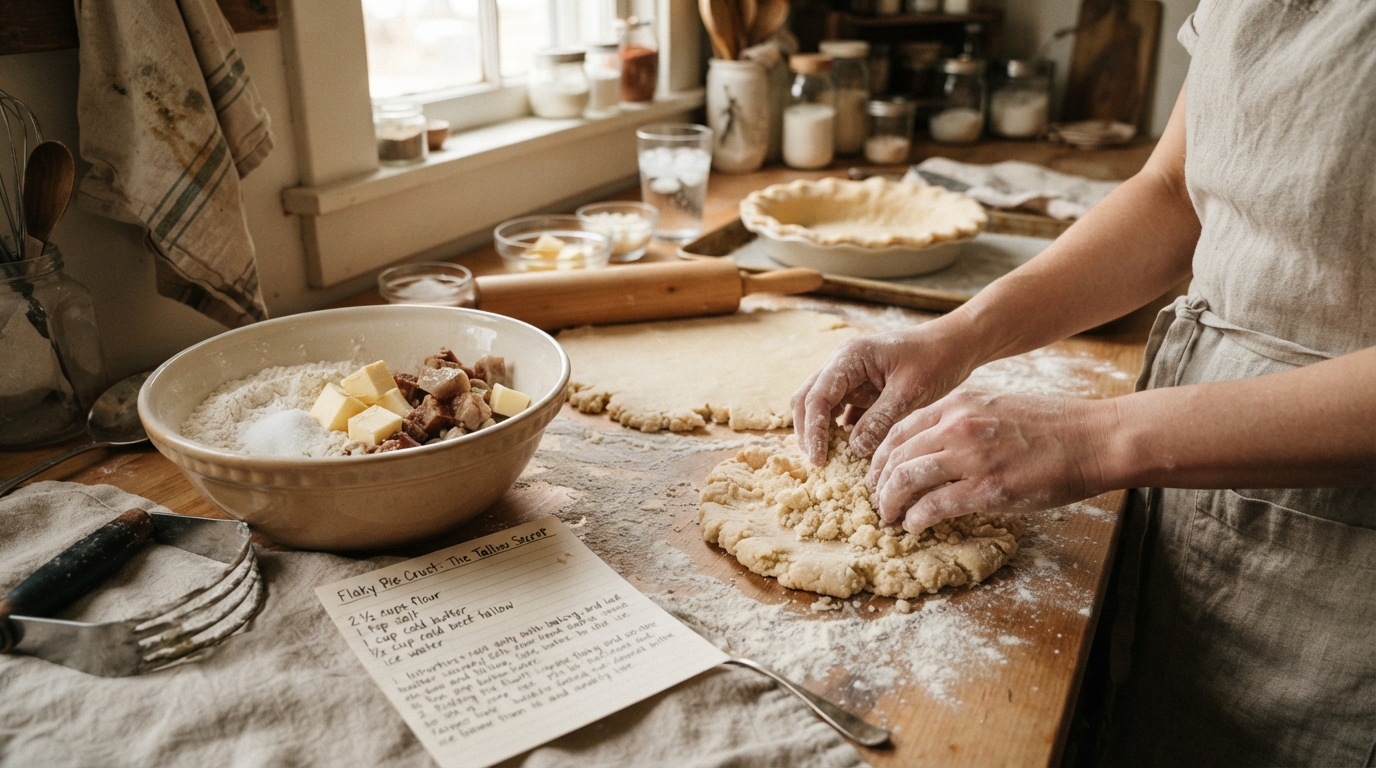
Flaky Pie Crust: The Tallow Secret
For a pie crust that’s incredibly tender and flaky, incorporating tallow is a game-changer. Its unique fat crystals create layers that puff up beautifully during baking.
Ingredients:- 2 1/2 cups all-purpose flour
- 1 tsp salt
- 1 cup (2 sticks) cold unsalted butter, cut into cubes
- 1/2 cup cold rendered beef tallow
- 4-8 tbsp ice water
- In a large bowl, whisk together the flour and salt.
- Cut in the cold butter and cold tallow using a pastry blender or your fingertips until the mixture resembles coarse crumbs with some pea-sized pieces of fat remaining.
- Gradually add the ice water, 1 tablespoon at a time, mixing until the dough just comes together. Be careful not to overmix.
- Divide the dough in half, flatten each half into a disk, wrap in plastic wrap, and refrigerate for at least 30 minutes.
- On a lightly floured surface, roll out one disk of dough to fit your pie plate. Transfer the dough to the pie plate and trim and crimp the edges as desired. Fill with your favorite pie filling and bake according to your recipe’s instructions. For a double-crust pie, roll out the second disk for the top crust.
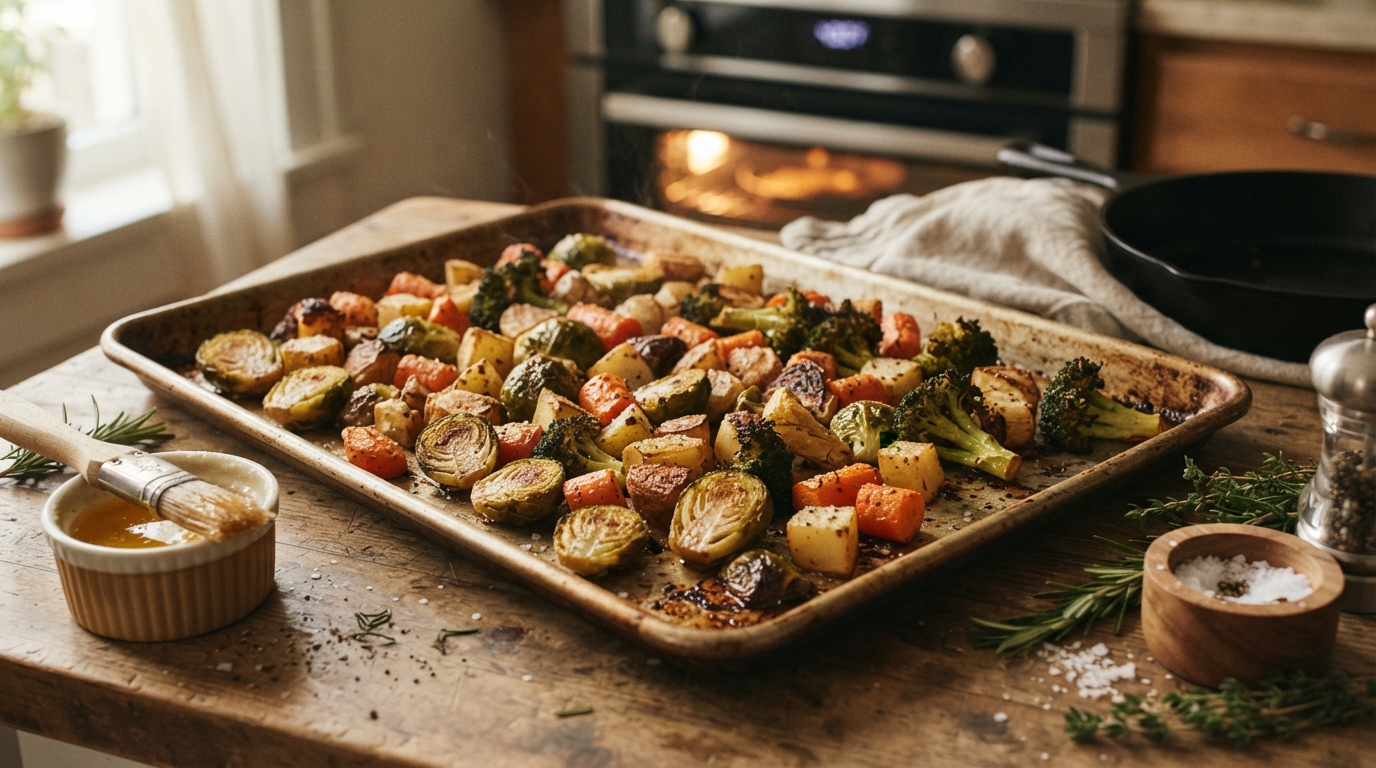
Roasted Vegetables with Tallow for Ultimate Crispiness
Elevate your roasted vegetables with the rich flavor and crisping power of tallow. Brussels sprouts, potatoes, carrots, and broccoli all benefit from a tallow makeover.
Ingredients:- 1 lb vegetables of choice (e.g., Brussels sprouts halved, potato cubes, carrot chunks)
- 2-3 tbsp rendered beef tallow, melted
- Salt and freshly ground black pepper, to taste
- Optional: herbs like rosemary or thyme
- Preheat your oven to 400°F (200°C).
- In a large bowl, toss the prepared vegetables with the melted tallow, ensuring they are evenly coated.
- Season generously with salt and pepper, and add any desired herbs.
- Spread the vegetables in a single layer on a baking sheet. Avoid overcrowding for maximum crispiness. You can use a high-quality baking sheet for best results.
- Roast for 20-40 minutes, depending on the vegetable, flipping halfway through, until tender and nicely caramelized with crispy edges.
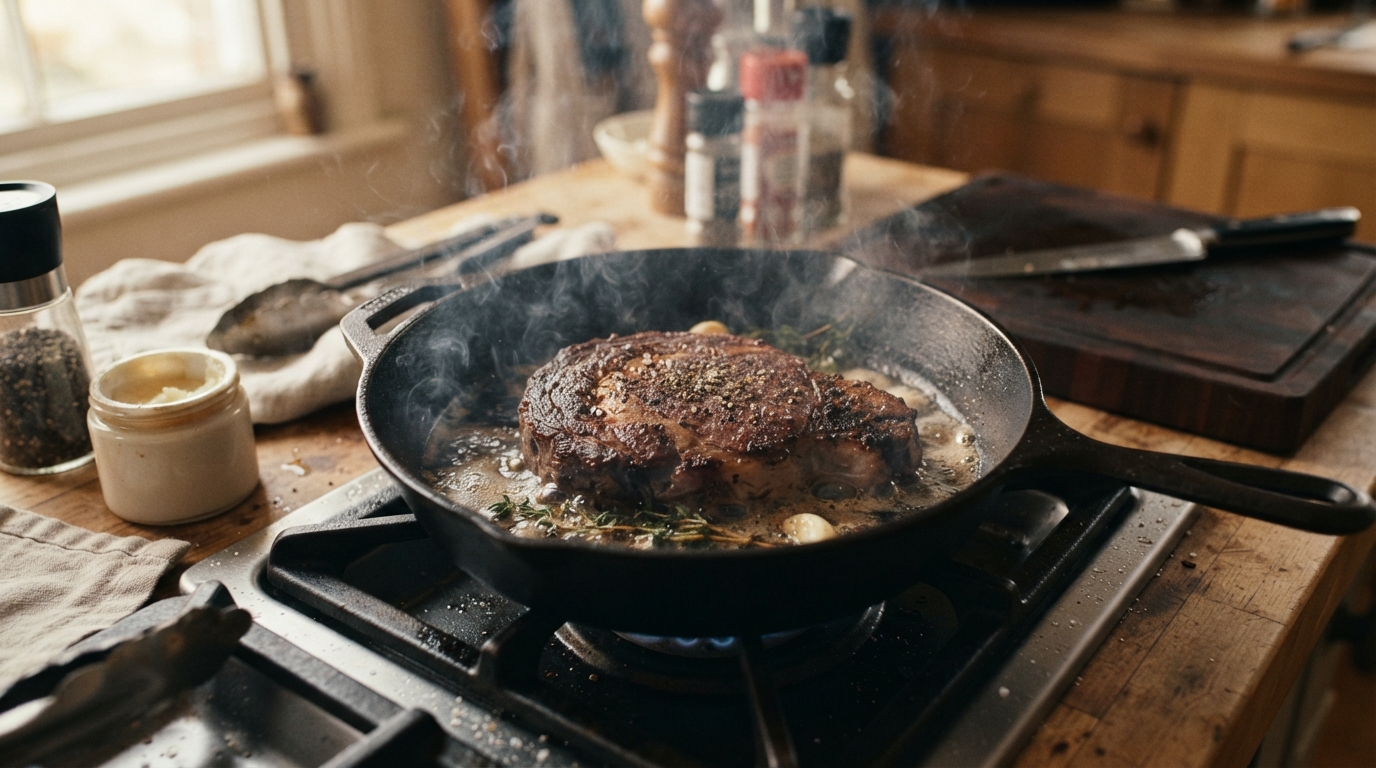
Tallow for Searing Steaks
Achieve that perfect steakhouse sear at home by using tallow in your cast iron skillet. It creates an incredible crust and locks in juices.
Ingredients:- Steaks of your choice (ribeye, sirloin, etc.)
- 1-2 tbsp rendered beef tallow
- Salt and freshly ground black pepper
- Pat your steaks completely dry with paper towels and season generously with salt and pepper.
- Heat a cast iron skillet over high heat until it just begins to smoke.
- Add the tallow to the hot skillet. It should melt and shimmer immediately.
- Carefully place the seasoned steaks into the hot tallow. Sear for 2-4 minutes per side for medium-rare, depending on thickness. Use a reliable cast iron skillet for even heat distribution.
- Remove steaks from the skillet and let them rest for 5-10 minutes before slicing and serving.
Tallow Cooking Recipes: Easy & Delicious Ways to Use This Ancient Fat
Ingredients
- Rendered beef tallow
- Russet potatoes
- Salt
- Chicken pieces
- All-purpose flour
- Black pepper
- Paprika
- Cayenne pepper
- Eggs
- Milk
- Unsalted butter
- Ice water
- Vegetables of choice (e.g., Brussels sprouts, potatoes, carrots)
- Herbs (rosemary, thyme)
- Steaks of choice
Instructions
- To render tallow, cut beef fat into cubes, place in a pot with a little water (stovetop) or dry (slow cooker), and cook on low heat until fat melts and solids brown. Strain through cheesecloth into a heatproof container. Cool and store in the refrigerator or freezer.
- For crispy french fries, cut potatoes into strips, rinse, and dry thoroughly. Heat tallow to 300°F (150°C) and par-fry potatoes for 5-7 minutes. Remove, cool, then increase tallow heat to 375°F (190°C) and fry again until golden brown and crispy. Season immediately.
- For delicious fried chicken, season chicken pieces with flour, salt, pepper, and paprika. Dredge in egg wash, then flour mixture. Heat tallow to 350°F (175°C) in a skillet or Dutch oven. Fry chicken in batches until deep golden brown and cooked through (165°F/74°C internal temp). Drain on a wire rack.
- To make a flaky pie crust, combine flour and salt. Cut in cold butter and tallow until crumbly. Gradually add ice water until dough just comes together. Divide, flatten into disks, wrap, and chill for at least 30 minutes before rolling out for your pie.
- For roasted vegetables, toss your chosen vegetables (like Brussels sprouts or potatoes) with melted tallow, salt, pepper, and herbs. Spread in a single layer on a baking sheet and roast at 400°F (200°C) for 20-40 minutes, flipping halfway, until tender and crispy.
- To sear steaks with tallow, heat a cast iron skillet until smoking hot. Add tallow, then carefully place seasoned steaks in the skillet. Sear for 2-4 minutes per side for medium-rare, depending on thickness. Rest the steaks before serving.
FAQ Section
Is tallow healthy to cook with?
What’s the difference between beef tallow and lard?
Can I use tallow in baking?
How should I store homemade tallow?
Can I substitute tallow for other cooking oils?
Where can I buy beef fat for rendering?
Conclusion
Tallow is more than just a cooking fat; it’s a gateway to richer flavors, crispier textures, and a more traditional approach to cooking. These easy tallow cooking recipes are just the beginning. Experiment with it in your favorite dishes and discover the difference this incredible ingredient can make. Whether you’re rendering your own or buying it pre-rendered, incorporating tallow into your kitchen is a delicious step towards more flavorful meals. For more cooking inspiration, check out our collection of must-try recipes!
Ready to get started? Ensure you have the right tools, like a sturdy heavy-bottomed pot, for rendering and cooking with tallow.
Pin This Recipe For Later
Save this delicious homemade recipe & step-by-step cooking guide directly to your Pinterest board!