Affiliate Disclosure: This post may contain affiliate links. If you make a purchase through these links, we may earn a commission at no extra cost to you. For more information, please see our affiliate disclosure.
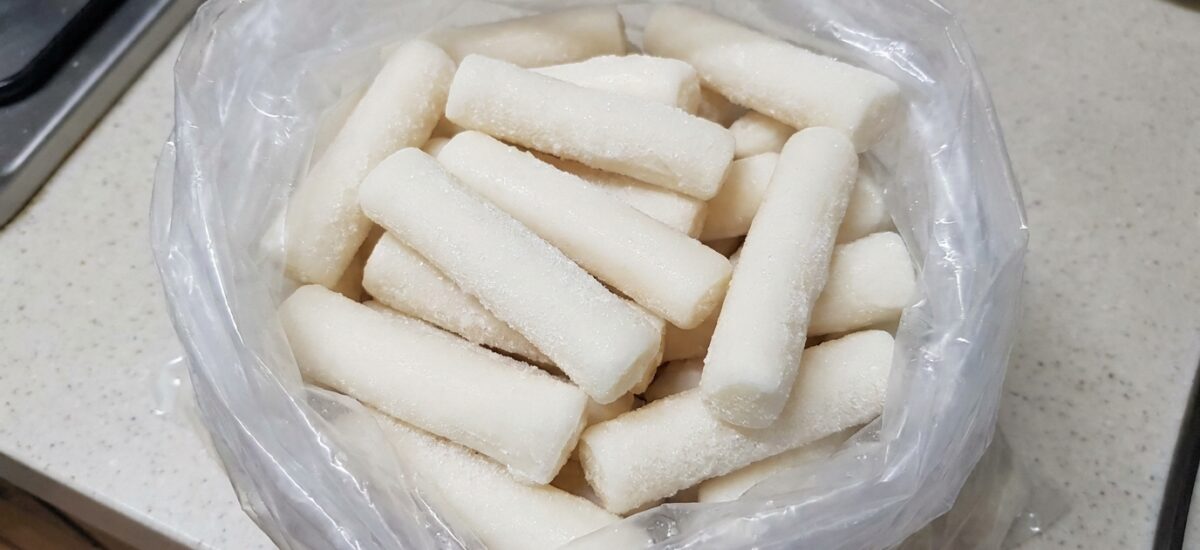
There’s nothing quite like the comforting chewiness of perfectly cooked tteokbokki, those delightful Korean spicy rice cakes. But what happens when your frozen stash comes out rock-hard, or your delicious leftovers turn tough and unyielding? It’s a common culinary conundrum that can leave you wondering if your beloved snack is destined for the bin. Fear not, fellow foodies! With a few simple tricks and the right approach, you can easily revive those hard rice cakes and bring them back to their glorious, soft, and chewy best.
From understanding why tteokbokki hardens to mastering various rehydration and reheating techniques, this guide will equip you with all the knowledge you need. Say goodbye to rubbery rice cakes and hello to perfectly tender, sauce-absorbing morsels, whether they’re straight from the freezer or a day old. Let’s dive into the secrets of transforming hard tteokbokki into a delectable dish you’ll love all over again!
Ingredients
- 1 lb (approx. 450g) hard tteokbokki rice cakes (frozen or leftover)
- 2-3 cups water or broth (chicken, vegetable, or anchovy broth recommended)
- 2-3 tablespoons gochujang (Korean chili paste)
- 1-2 tablespoons gochugaru (Korean chili powder), adjust to taste
- 1 tablespoon soy sauce
- 1 tablespoon sugar (or corn syrup/oligodang for gloss)
- 2-3 cloves garlic, minced
- 1/2 onion, thinly sliced (optional)
- 2-3 scallions, chopped (for garnish)
- Optional: Fish cakes, boiled eggs, ramen noodles for a complete dish
Product Spotlight
Step-by-Step Instructions
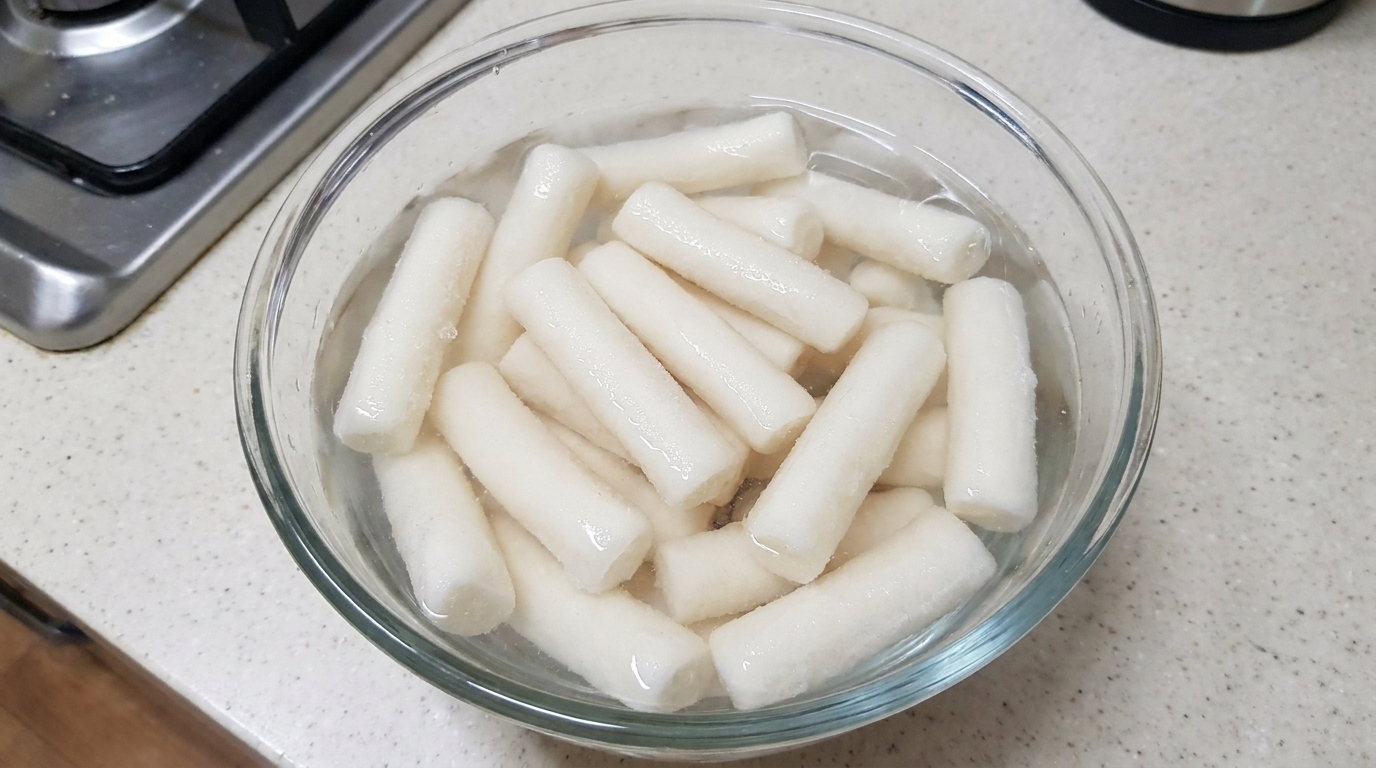
1. Prepare the Rice Cakes: If your tteokbokki rice cakes are frozen and stuck together, gently separate them. For extremely hard or dried-out fresh rice cakes, a preliminary soak is key. Place them in a bowl of cold water for 1-2 hours, or in warm water for 20-30 minutes, until they soften slightly. This step helps them cook evenly and prevents them from breaking apart. For leftover hard tteokbokki, soaking might not be necessary if they are only slightly firm; you can proceed directly to the next step.
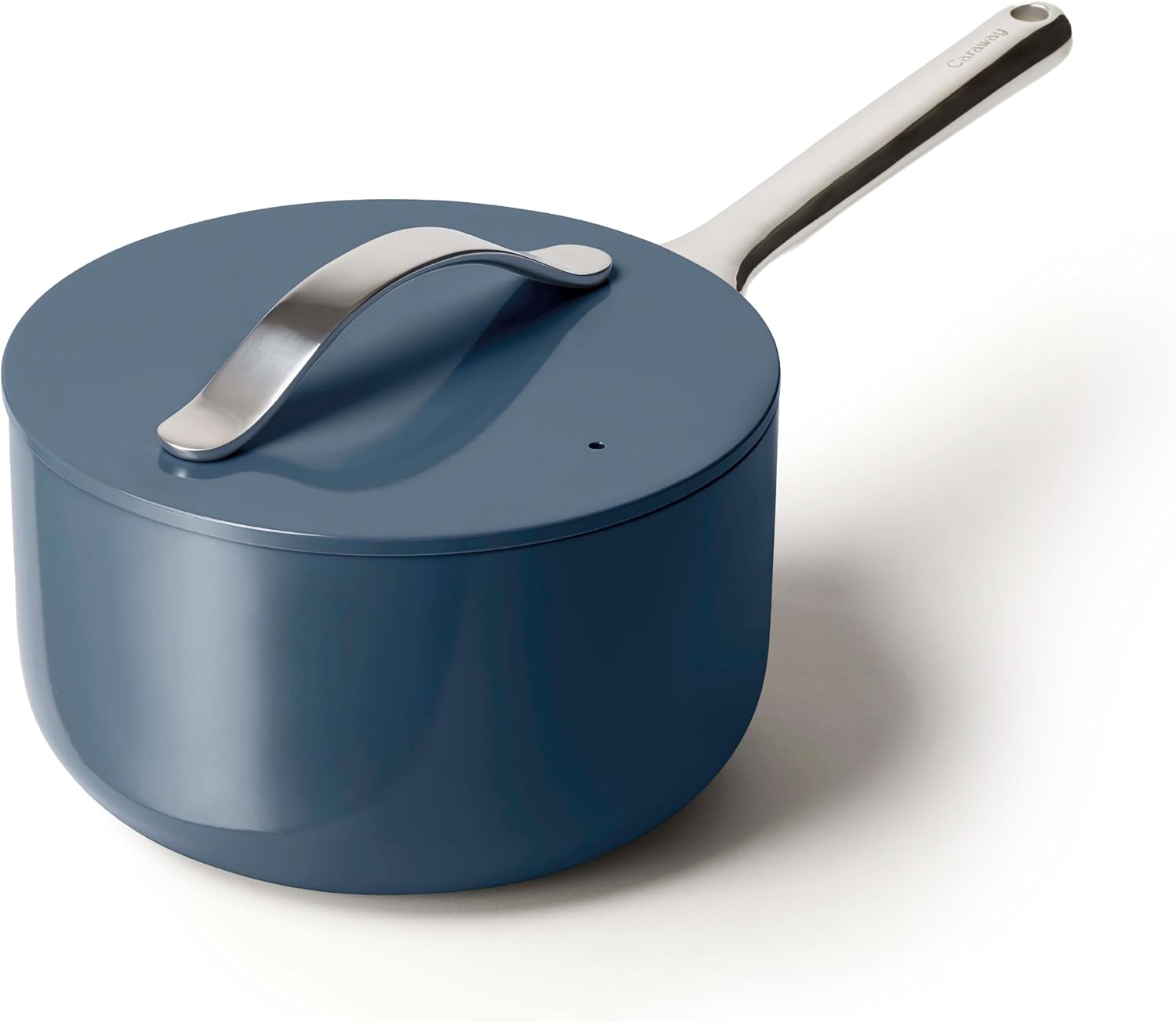
2. Prepare the Sauce Base: In a medium saucepan or a deep non-stick pan , combine the water or broth, gochujang, gochugaru, soy sauce, sugar, and minced garlic. Whisk everything together until the gochujang is fully dissolved and the sauce is smooth. This forms the flavorful foundation for your revived tteokbokki. If you’re looking for a shortcut, you can also use a pre-made tteokbokki sauce base, but adjusting the spice and sweetness to your preference is always recommended.
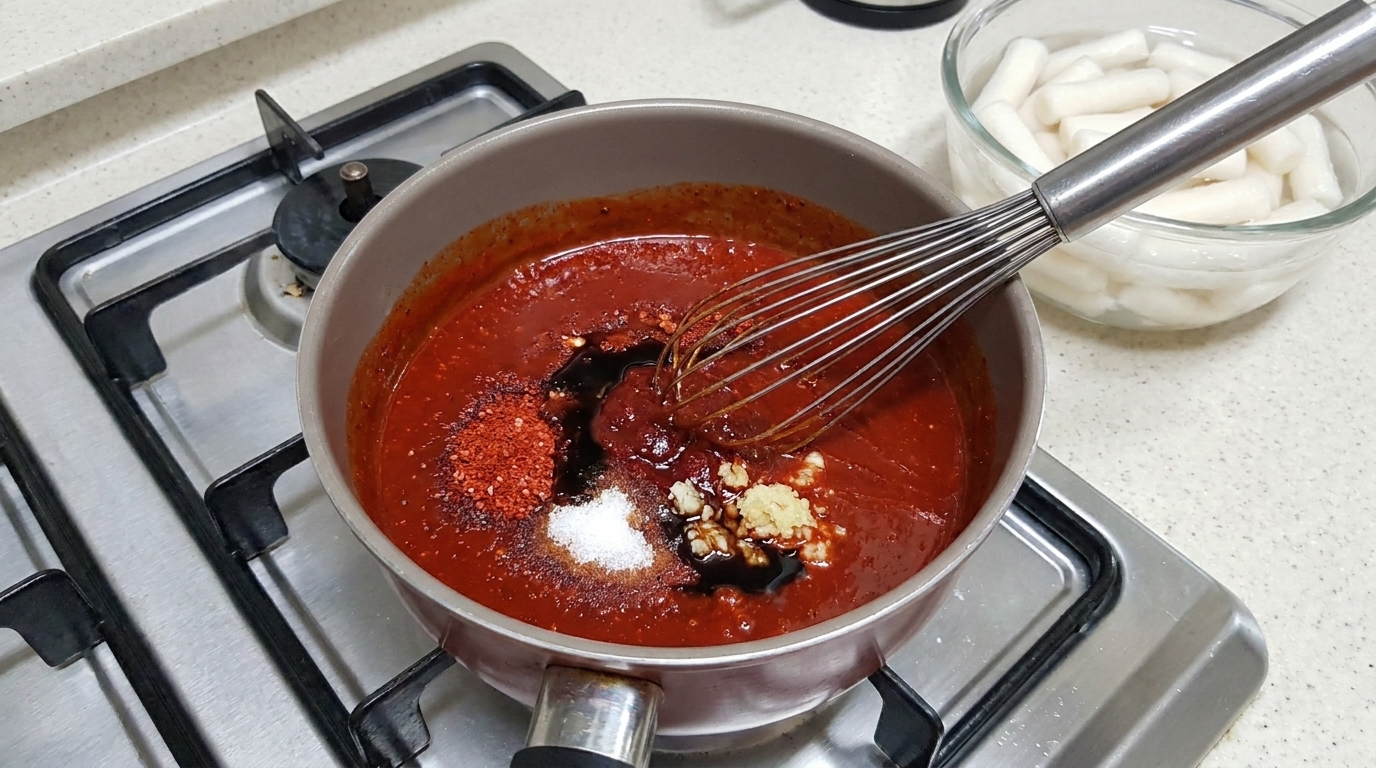
3. Simmer the Rice Cakes: Bring the sauce mixture to a gentle boil over medium heat. Once boiling, add the prepared tteokbokki rice cakes to the pot. If using, add sliced onions now as well. Reduce the heat to medium-low and let the mixture simmer, stirring occasionally to prevent the rice cakes from sticking to the bottom. The goal here is to gently rehydrate and soften the rice cakes without overcooking them into mush. This process typically takes 5-10 minutes, depending on the initial hardness of the cakes.
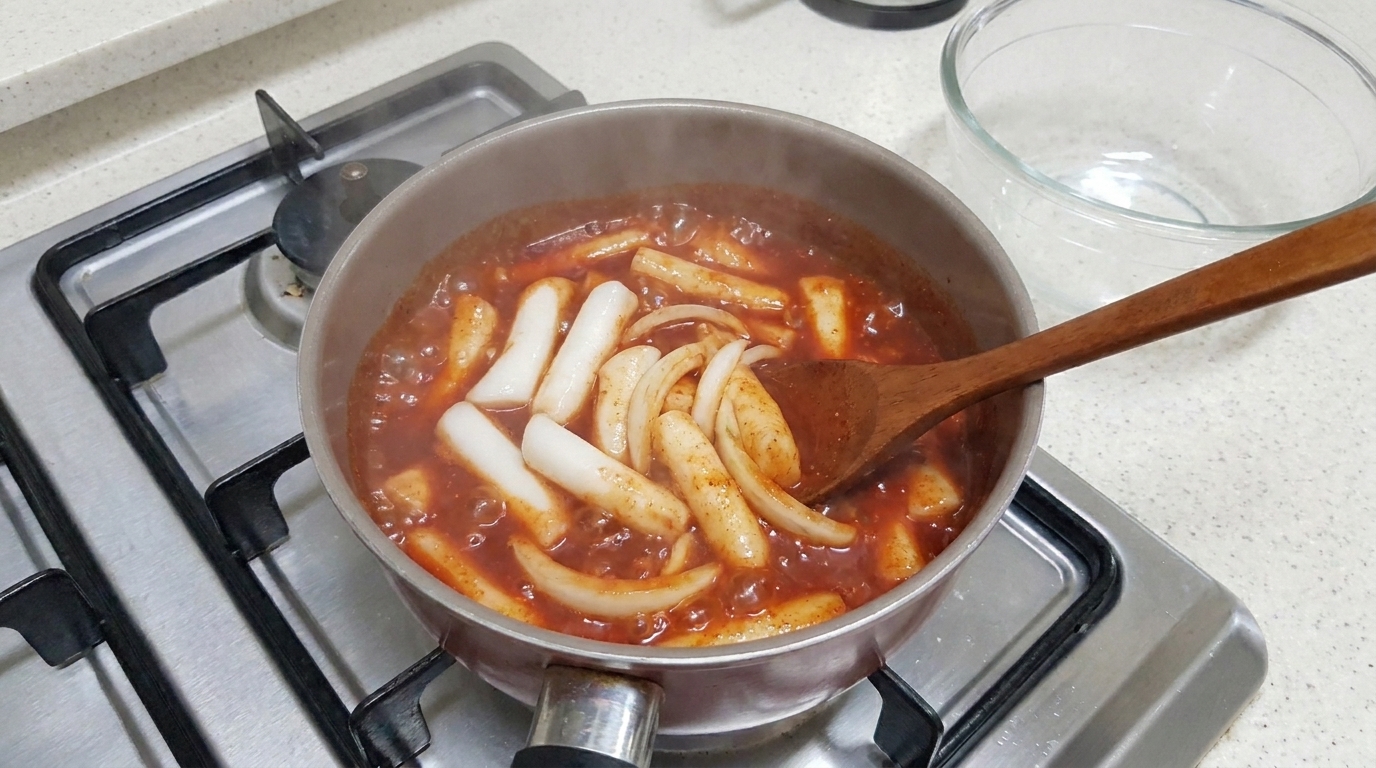
4. Add Additional Ingredients (Optional): As the rice cakes begin to soften and absorb the sauce, you can add any optional ingredients such as fish cakes or other seafood , or hard-boiled eggs. If you like a thicker sauce, let it continue to simmer for a few more minutes, stirring frequently. The sauce will naturally thicken as the starch from the rice cakes is released. A good bamboo steamer can also be used if you prefer steaming the rice cakes separately before adding to the sauce.
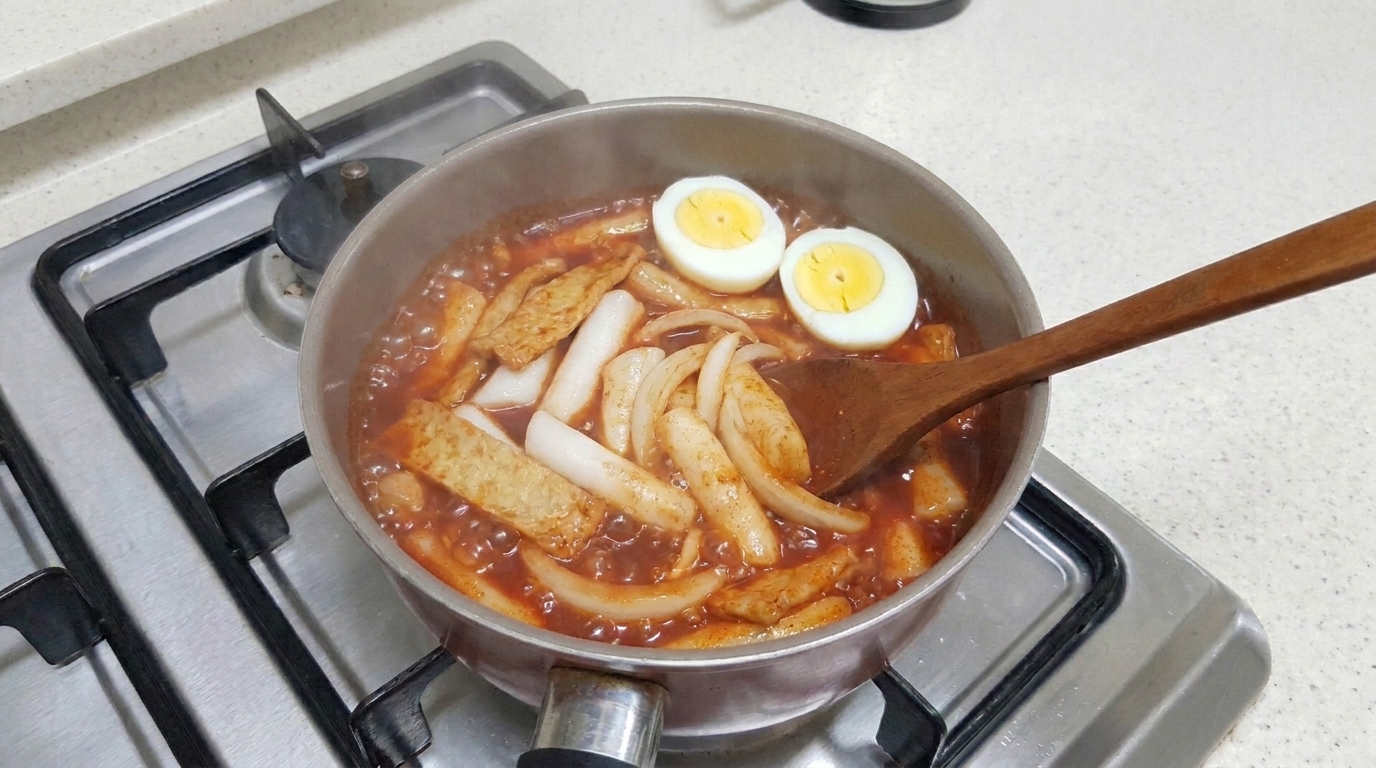
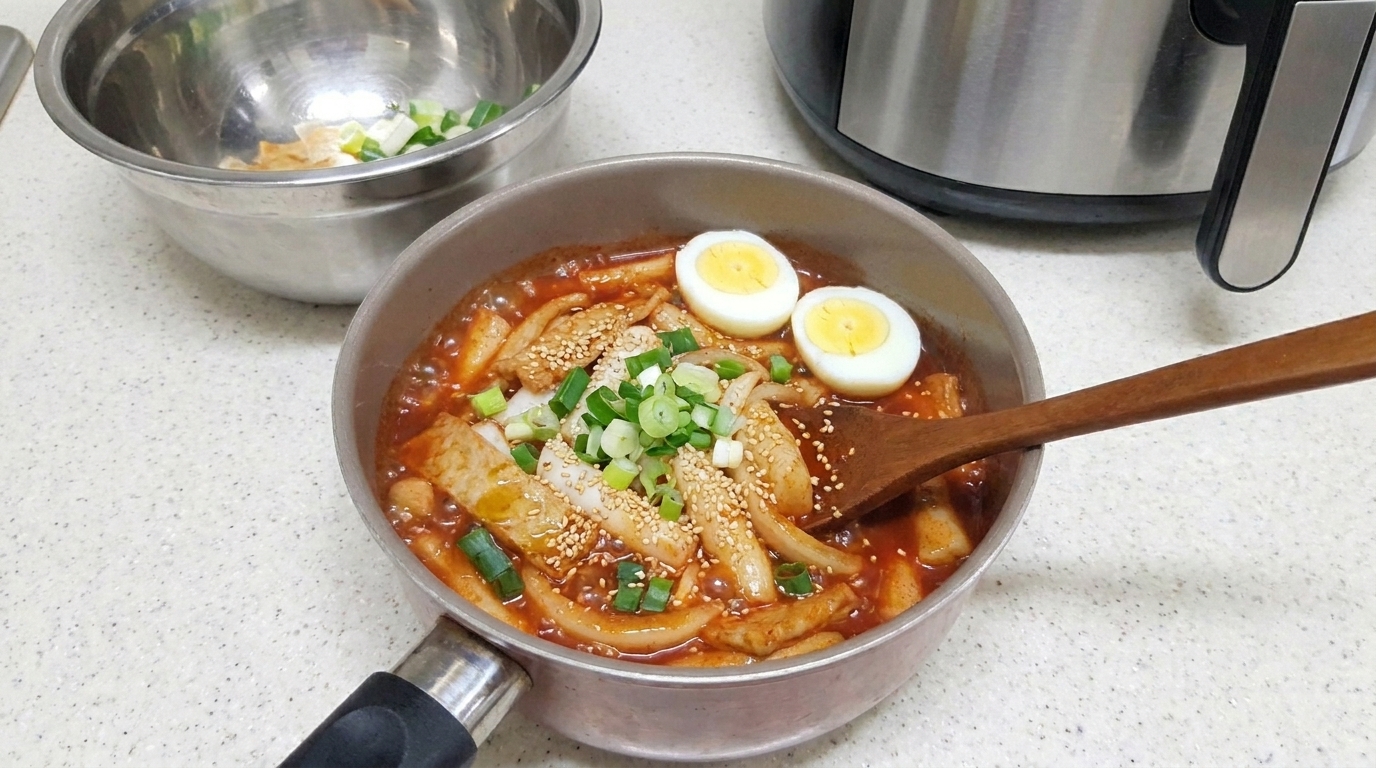
5. Final Touches and Serve: Once the tteokbokki rice cakes are tender and chewy to your liking, and the sauce has reached your desired consistency, remove the pan from the heat. Stir in the chopped scallions. For an extra touch of flavor and texture, you can drizzle with a little sesame oil and sprinkle with toasted sesame seeds. Serve your perfectly revived tteokbokki immediately, garnished with more fresh scallions. A sturdy mixing bowl can be useful for preparing ingredients beforehand. For an easy cleanup, consider a high-quality air fryer for complementary sides.
Tips for Success:
- Don’t Rush the Soak: For very dry or frozen cakes, adequate soaking time is crucial.
- Adjust Spice Levels: Taste the sauce and add more gochugaru for extra heat or sugar for sweetness.
- Prevent Sticking: Stir frequently, especially as the sauce thickens.
- Don’t Overcook: Once soft, remove from heat to maintain their chewy texture. Overcooking can make them mushy.
- Storage: Store any leftover tteokbokki in an airtight container in the refrigerator for up to 3 days. Reheat gently on the stovetop with a splash of water or broth.
Revive Your Tteokbokki: How to Fix Hard Rice Cakes (Frozen or Leftover)
Ingredients
- 1 lb (approx. 450g) hard tteokbokki rice cakes (frozen or leftover)
- 2-3 cups water or broth (chicken, vegetable, or anchovy broth recommended)
- 2-3 tablespoons gochujang (Korean chili paste)
- 1-2 tablespoons gochugaru (Korean chili powder), adjust to taste
- 1 tablespoon soy sauce
- 1 tablespoon sugar (or corn syrup/oligodang for gloss)
- 2-3 cloves garlic, minced
- 1/2 onion, thinly sliced (optional)
- 2-3 scallions, chopped (for garnish)
- Optional: Fish cakes, boiled eggs, ramen noodles for a complete dish
Instructions
- 1. Prepare the Rice Cakes: If your tteokbokki rice cakes are frozen and stuck together, gently separate them. For extremely hard or dried-out fresh rice cakes, a preliminary soak is key. Place them in a bowl of cold water for 1-2 hours, or in warm water for 20-30 minutes, until they soften slightly. This step helps them cook evenly and prevents them from breaking apart. For leftover hard tteokbokki, soaking might not be necessary if they are only slightly firm; you can proceed directly to the next step.
- 2. Prepare the Sauce Base: In a medium saucepan or a deep non-stick pan [PRODUCT_AFFILIATE_LINK_1], combine the water or broth, gochujang, gochugaru, soy sauce, sugar, and minced garlic. Whisk everything together until the gochujang is fully dissolved and the sauce is smooth. This forms the flavorful foundation for your revived tteokbokki. If you’re looking for a shortcut, you can also use a pre-made tteokbokki sauce base, but adjusting the spice and sweetness to your preference is always recommended.
- 3. Simmer the Rice Cakes: Bring the sauce mixture to a gentle boil over medium heat. Once boiling, add the prepared tteokbokki rice cakes to the pot. If using, add sliced onions now as well. Reduce the heat to medium-low and let the mixture simmer, stirring occasionally to prevent the rice cakes from sticking to the bottom. The goal here is to gently rehydrate and soften the rice cakes without overcooking them into mush. This process typically takes 5-10 minutes, depending on the initial hardness of the cakes.
- 4. Add Additional Ingredients (Optional): As the rice cakes begin to soften and absorb the sauce, you can add any optional ingredients such as fish cakes or other seafood [PRODUCT_AFFILIATE_LINK_2], or hard-boiled eggs. If you like a thicker sauce, let it continue to simmer for a few more minutes, stirring frequently. The sauce will naturally thicken as the starch from the rice cakes is released. A good bamboo steamer [PRODUCT_AFFILIATE_LINK_3] can also be used if you prefer steaming the rice cakes separately before adding to the sauce.
- 5. Final Touches and Serve: Once the tteokbokki rice cakes are tender and chewy to your liking, and the sauce has reached your desired consistency, remove the pan from the heat. Stir in the chopped scallions. For an extra touch of flavor and texture, you can drizzle with a little sesame oil and sprinkle with toasted sesame seeds. Serve your perfectly revived tteokbokki immediately, garnished with more fresh scallions. A sturdy mixing bowl [PRODUCT_AFFILIATE_LINK_4] can be useful for preparing ingredients beforehand. For an easy cleanup, consider a high-quality air fryer [PRODUCT_AFFILIATE_LINK_5] for complementary sides.
FAQ Section
Why do my tteokbokki rice cakes get hard?
Can I microwave hard tteokbokki?
How long can I store leftover tteokbokki?
Do I need to soak fresh tteokbokki rice cakes?
What kind of sauce is best for reheating tteokbokki?
Conclusion
Reviving hard tteokbokki is not just possible, it’s incredibly easy! By following these simple steps, you can transform seemingly lost frozen or leftover rice cakes into a steaming, spicy, and utterly satisfying meal. The key lies in gentle rehydration and simmering in a flavorful sauce, allowing the rice cakes to absorb moisture and regain their signature chewy texture. So next time you find yourself with tough tteokbokki, remember these tips and enjoy a delicious, perfectly softened dish. Happy cooking!
Pin This Review For Later
Save this honest buying guide & pros/cons summary directly to your Pinterest Kitchen or Gadgets board!