Ingredients
- 1 tablespoon olive oil
- 2-3 cloves garlic, minced
- 1/4 cup preserved lemon rind, finely chopped (from about 1-2 preserved lemons)
- 1/2 teaspoon red pepper flakes (optional, adjust to taste)
- 1 pound dried pasta (linguine, spaghetti, or bucatini work well)
- 4 cups low-sodium vegetable or chicken broth
- 1/2 cup heavy cream (or coconut cream for dairy-free)
- 1/4 cup grated Parmesan cheese (optional, or nutritional yeast for dairy-free)
- 2 tablespoons unsalted butter (or vegan butter)
- Salt and freshly ground black pepper to taste
- Fresh parsley, chopped, for garnish
Product Spotlight

Step-by-Step Instructions
Step 1: Sauté Aromatics
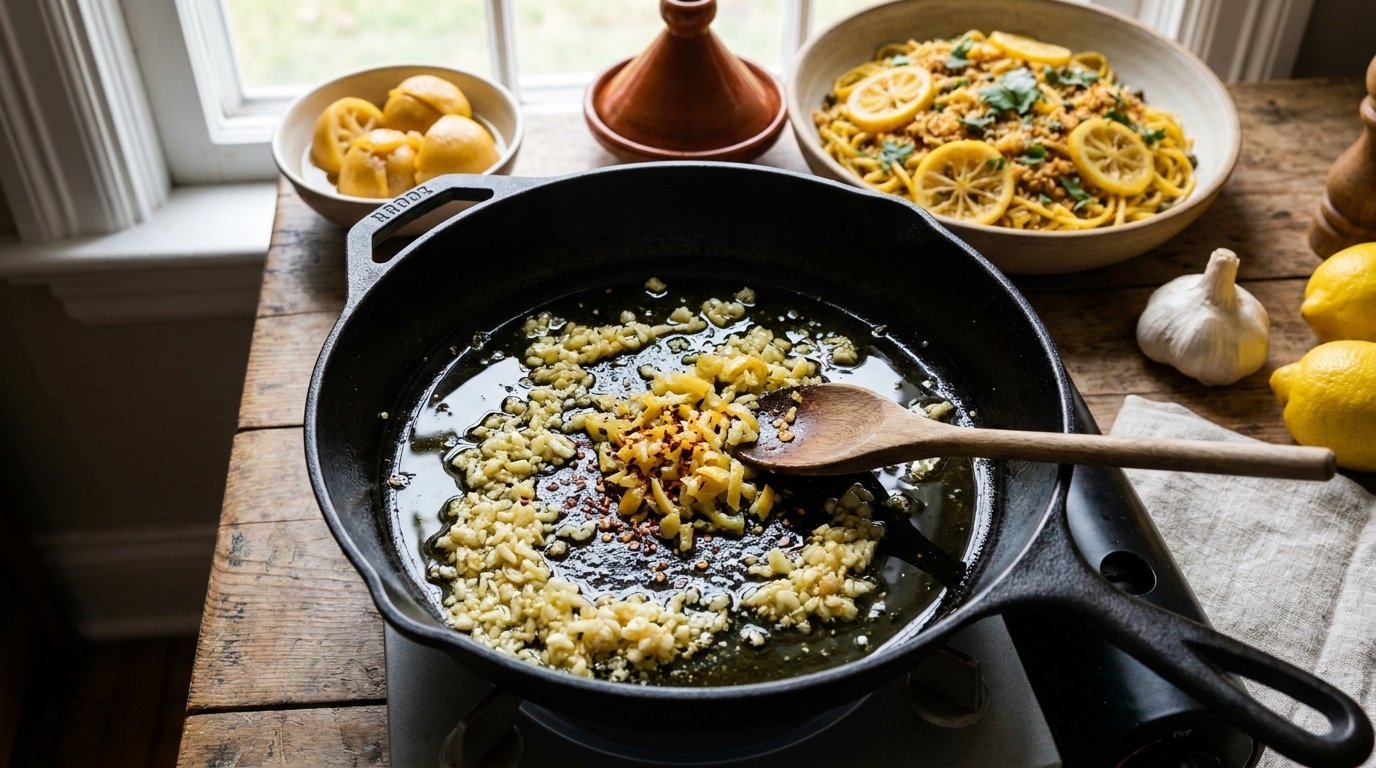
Heat the olive oil in a large skillet or Dutch oven over medium heat. Add the minced garlic and cook until fragrant, about 30-60 seconds. Be careful not to burn the garlic. Stir in the finely chopped preserved lemon rind and red pepper flakes (if using), and cook for another minute until the aromas meld together.
Step 2: Toast the Pasta
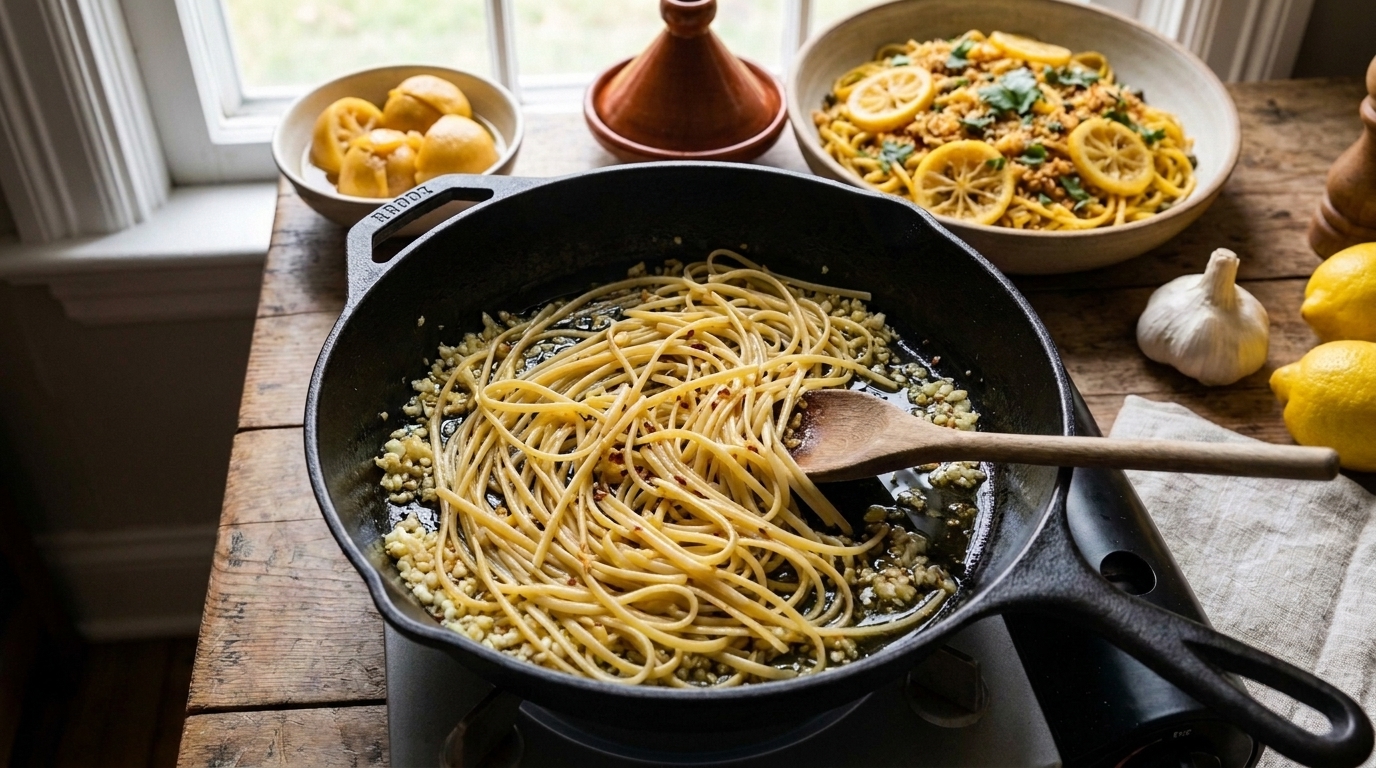
Add the dried pasta directly to the skillet. Stir it around for about a minute to lightly toast the pasta and coat it with the fragrant oil and lemon mixture. This step adds a subtle depth of flavor.
Step 3: Simmer the Pasta
Pour in the vegetable or chicken broth. Bring the mixture to a boil, then reduce the heat to a simmer. Cover the skillet and cook according to the pasta package directions, stirring occasionally, until the pasta is al dente and most of the liquid has been absorbed, about 10-12 minutes. You may need to add a splash more broth or water if it looks too dry before the pasta is cooked.
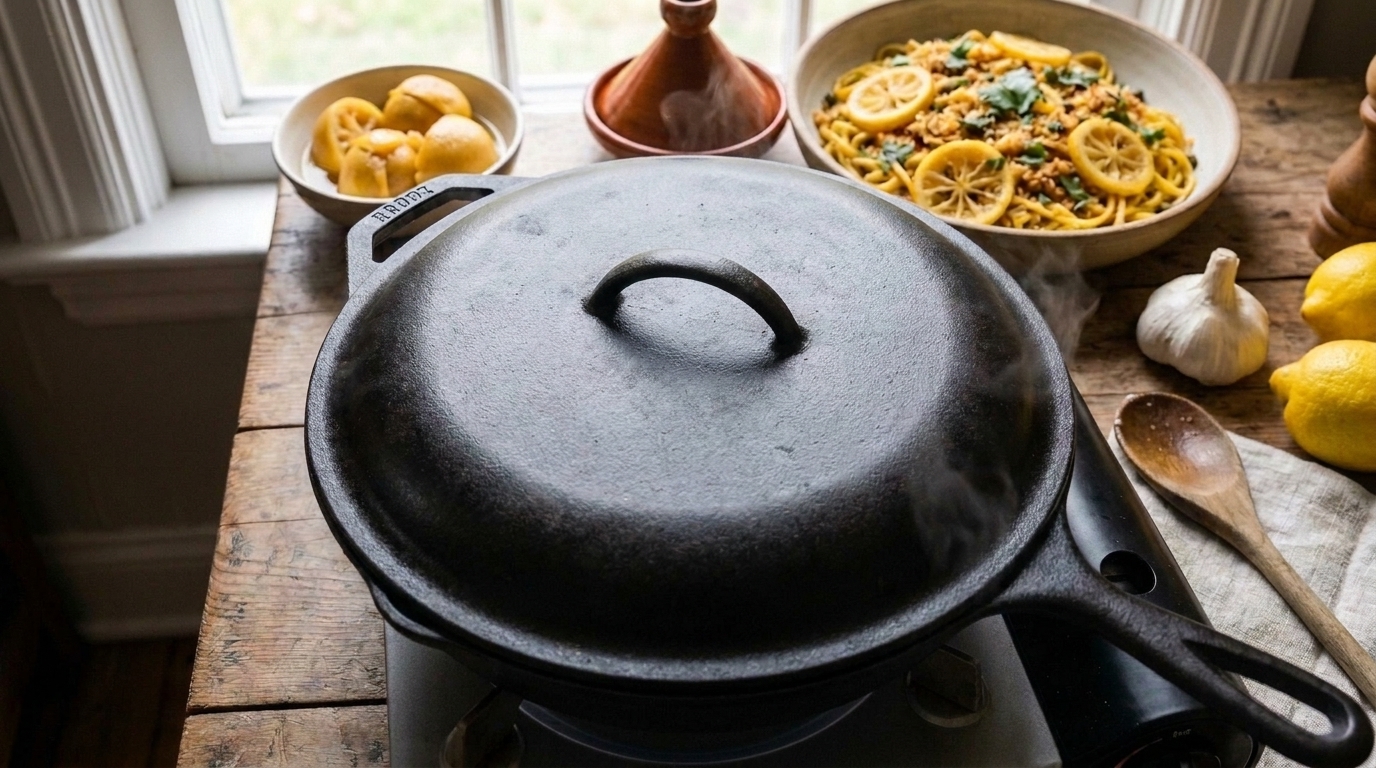
Step 4: Create the Creamy Sauce
Once the pasta is cooked, stir in the heavy cream (or coconut cream) and grated Parmesan cheese (if using). Stir continuously over low heat until the sauce thickens slightly and coats the pasta beautifully. Stir in the butter until melted and fully incorporated, adding a final layer of richness.
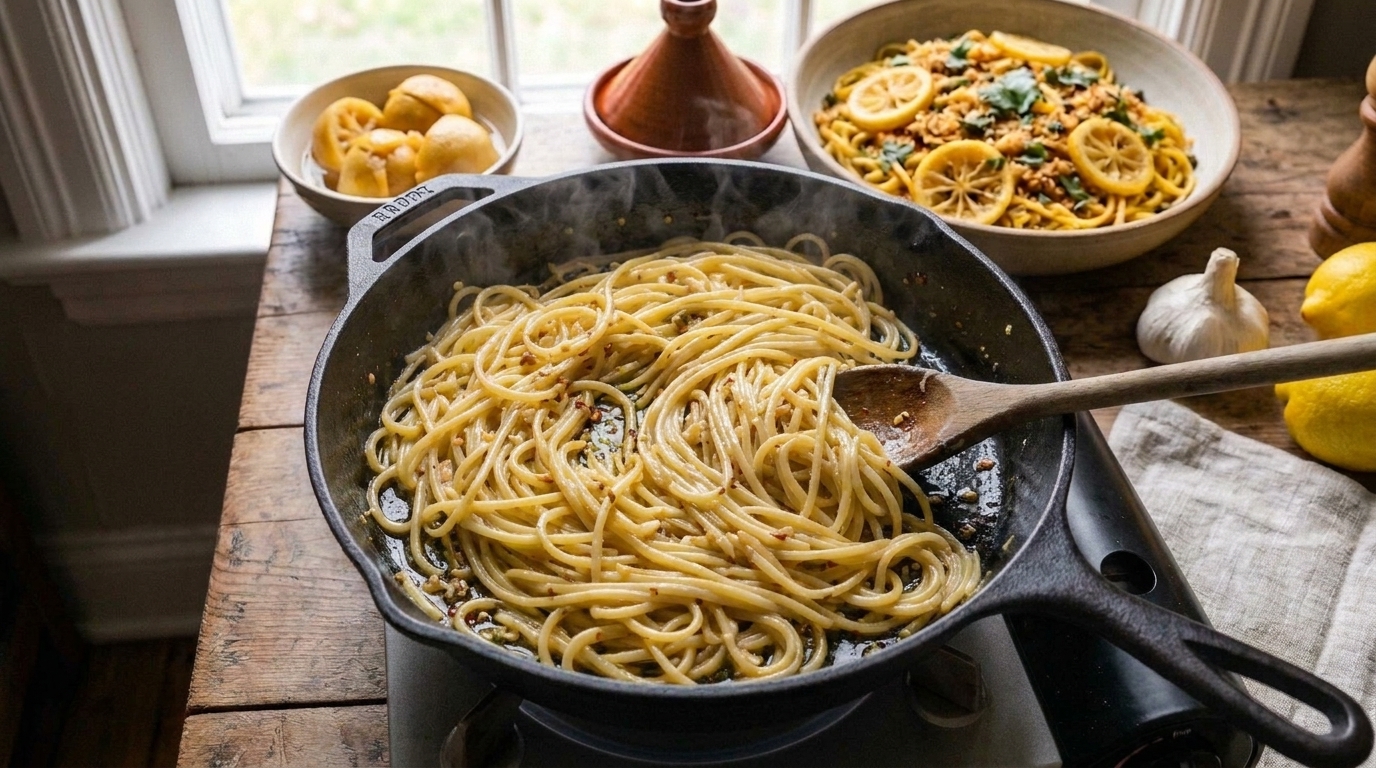
Step 5: Season and Serve
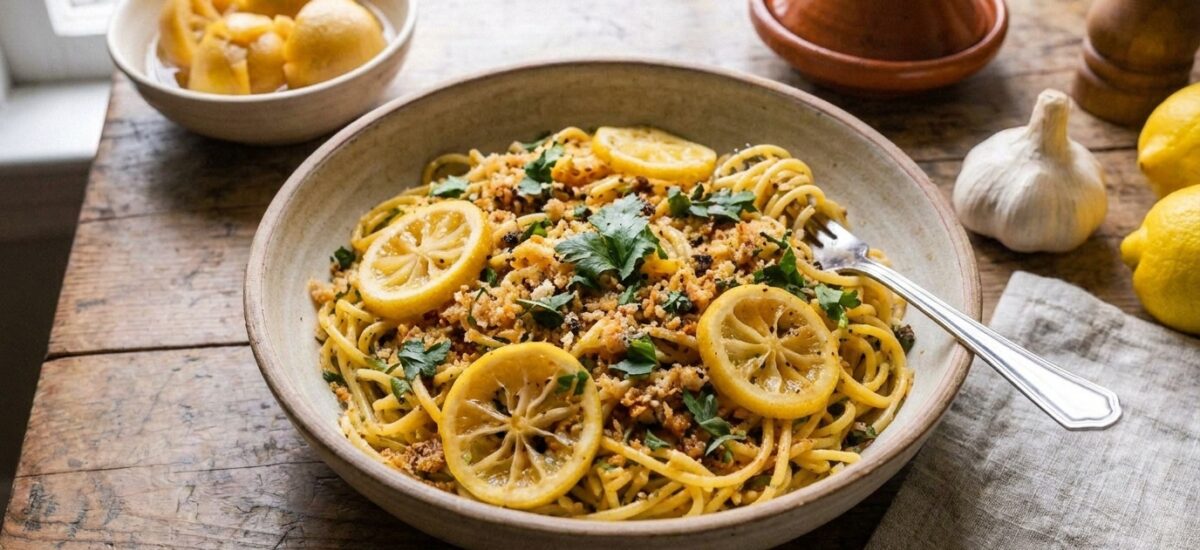
Taste the pasta and season with salt and freshly ground black pepper as needed. Remember that preserved lemons can be salty, so adjust accordingly. Garnish generously with fresh chopped parsley. Serve immediately and enjoy the delightful fusion of flavors!
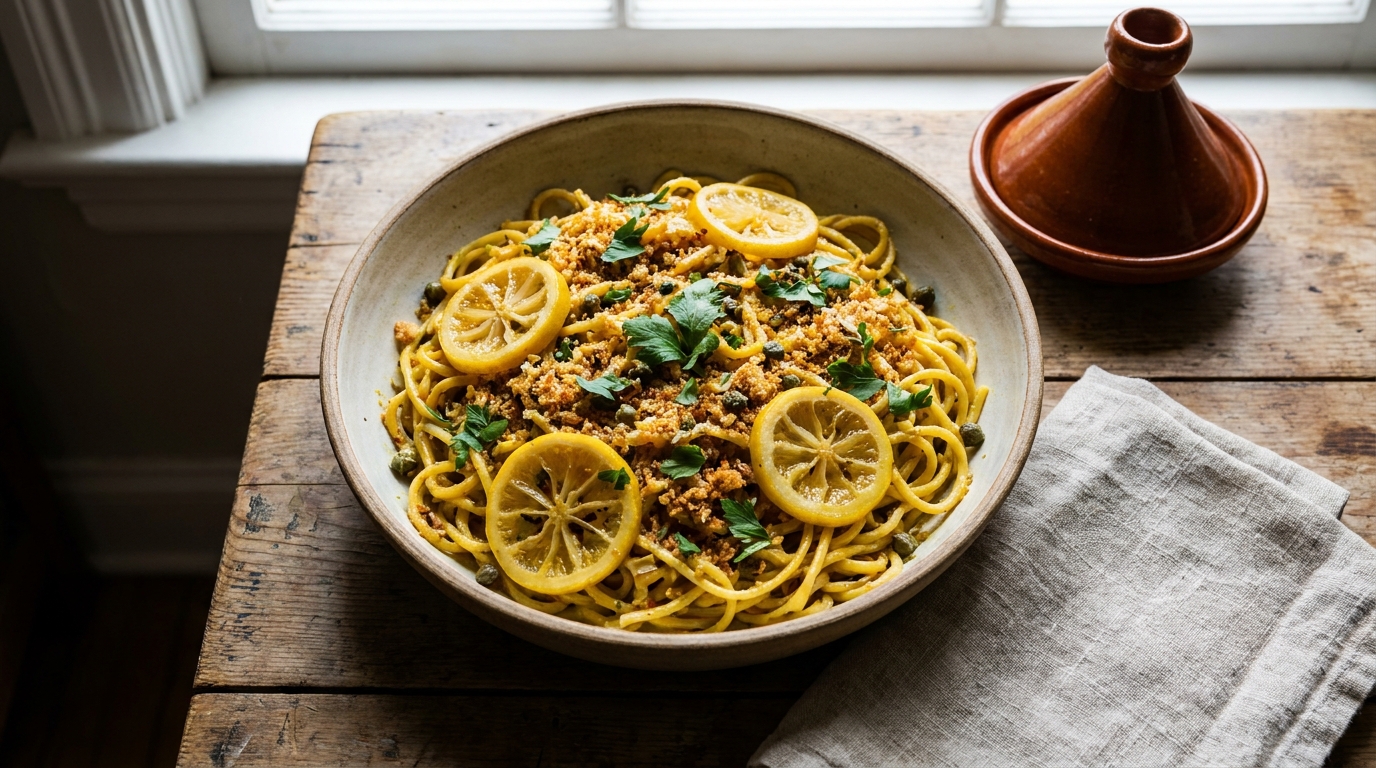
Preserved Lemon Butter Pasta: A Taste of North Africa Meets Italy
Ingredients
- 1 tablespoon olive oil
- 2-3 cloves garlic, minced
- 1/4 cup preserved lemon rind, finely chopped
- 1/2 teaspoon red pepper flakes (optional)
- 1 pound dried pasta (linguine, spaghetti, or bucatini)
- 4 cups low-sodium vegetable or chicken broth
- 1/2 cup heavy cream
- 1/4 cup grated Parmesan cheese (optional)
- 2 tablespoons unsalted butter
- Salt and freshly ground black pepper to taste
- Fresh parsley, chopped, for garnish
Instructions
- Heat the olive oil in a large skillet or Dutch oven over medium heat. Add the minced garlic and cook until fragrant, about 30-60 seconds. Be careful not to burn the garlic. Stir in the finely chopped preserved lemon rind and red pepper flakes (if using), and cook for another minute until the aromas meld together.
- Add the dried pasta directly to the skillet. Stir it around for about a minute to lightly toast the pasta and coat it with the fragrant oil and lemon mixture. This step adds a subtle depth of flavor.
- Pour in the vegetable or chicken broth. Bring the mixture to a boil, then reduce the heat to a simmer. Cover the skillet and cook according to the pasta package directions, stirring occasionally, until the pasta is al dente and most of the liquid has been absorbed, about 10-12 minutes. You may need to add a splash more broth or water if it looks too dry before the pasta is cooked.
- Once the pasta is cooked, stir in the heavy cream (or coconut cream) and grated Parmesan cheese (if using). Stir continuously over low heat until the sauce thickens slightly and coats the pasta beautifully. Stir in the butter until melted and fully incorporated, adding a final layer of richness.
- Taste the pasta and season with salt and freshly ground black pepper as needed. Remember that preserved lemons can be salty, so adjust accordingly. Garnish generously with fresh chopped parsley. Serve immediately and enjoy the delightful fusion of flavors!
FAQ Section
- What are preserved lemons?
- Preserved lemons are lemons that have been pickled in a mixture of salt and their own juices, often with spices. They develop a unique, mellow, and intensely lemony flavor with an almost umami quality, and the rind becomes tender and edible.
- Where can I buy preserved lemons?
- You can find preserved lemons in most well-stocked grocery stores, particularly in the international foods aisle, or at specialty food stores and Middle Eastern markets. Many online retailers also carry them. If you’re feeling adventurous, you can even make your own!
- Can I use fresh lemons instead of preserved lemons?
- While fresh lemon juice and zest will provide brightness, they won’t replicate the complex, salty, and fermented flavor of preserved lemons. For this recipe, preserved lemons are key to achieving the authentic taste. If you must substitute, use the zest and juice of 1-2 fresh lemons and a pinch of salt, but be aware the flavor profile will be different.
- What kind of pasta is best for this recipe?
- Long pasta shapes like linguine, spaghetti, or bucatini are ideal as they beautifully capture the sauce. Shorter shapes like penne or fusilli will also work.
- Can I add protein or vegetables?
- Absolutely! Cooked chicken, shrimp, or even chickpeas can be added in Step 4. Sautéed vegetables like spinach, asparagus, or cherry tomatoes can be added in Step 1 with the garlic or just before adding the cream.
Conclusion
This Preserved Lemon Butter Pasta is more than just a meal; it’s an experience. It’s a testament to how simple ingredients and a clever cooking method can yield spectacular results. The bright, briny notes of the preserved lemon cut through the richness of the butter and cream, creating a perfectly balanced and utterly delicious pasta dish. Whether you’re a seasoned cook or just starting out, this recipe is sure to become a favorite. Don’t hesitate to experiment with additions like grilled shrimp or a handful of fresh spinach to make it your own. Enjoy this delightful journey of flavors!
Pin This Review For Later
Save this honest buying guide & pros/cons summary directly to your Pinterest Kitchen or Gadgets board!