Boiling eggs is one of the simplest cooking techniques, yet it’s surprisingly easy to mess up! Whether you want creamy soft-boiled eggs or are aiming for perfectly jammy yolks, timing and technique are everything. You prefer a classic hard-boiled egg. In any case, you’llóneed to focus on timing and technique. This guide will explain how long to boil eggs for the texture you want. It will also share tricks for peeling them more easily.
Let’s crack into it, shall we?
The Perfect Boiling Times for Every Texture
Cooking the perfect boiled egg depends on how you like your yolk and whites. Follow this guide for consistently flawless results:
1. Soft-Boiled Eggs
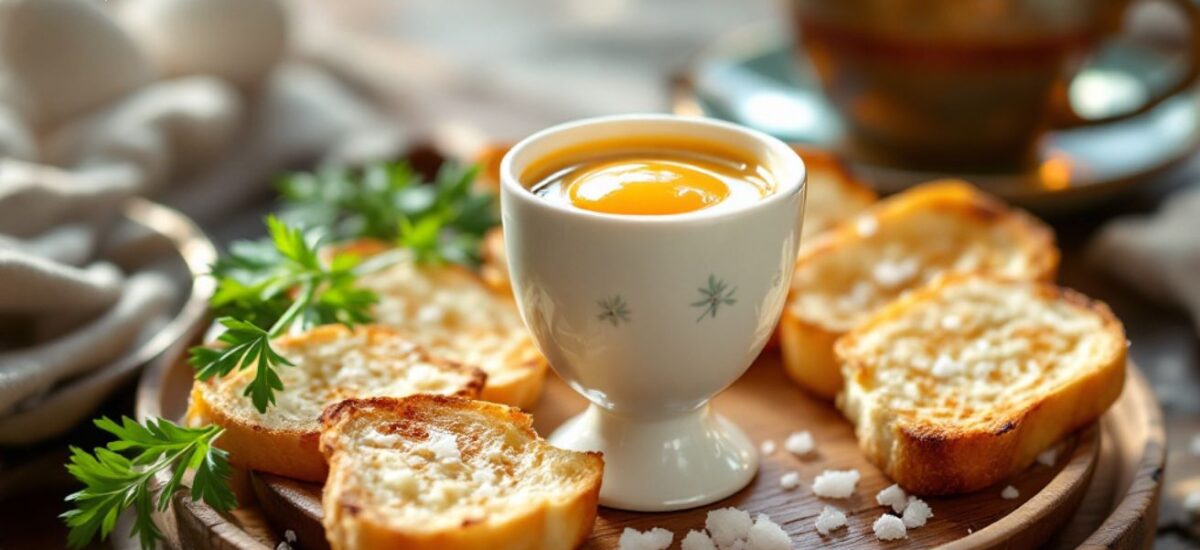
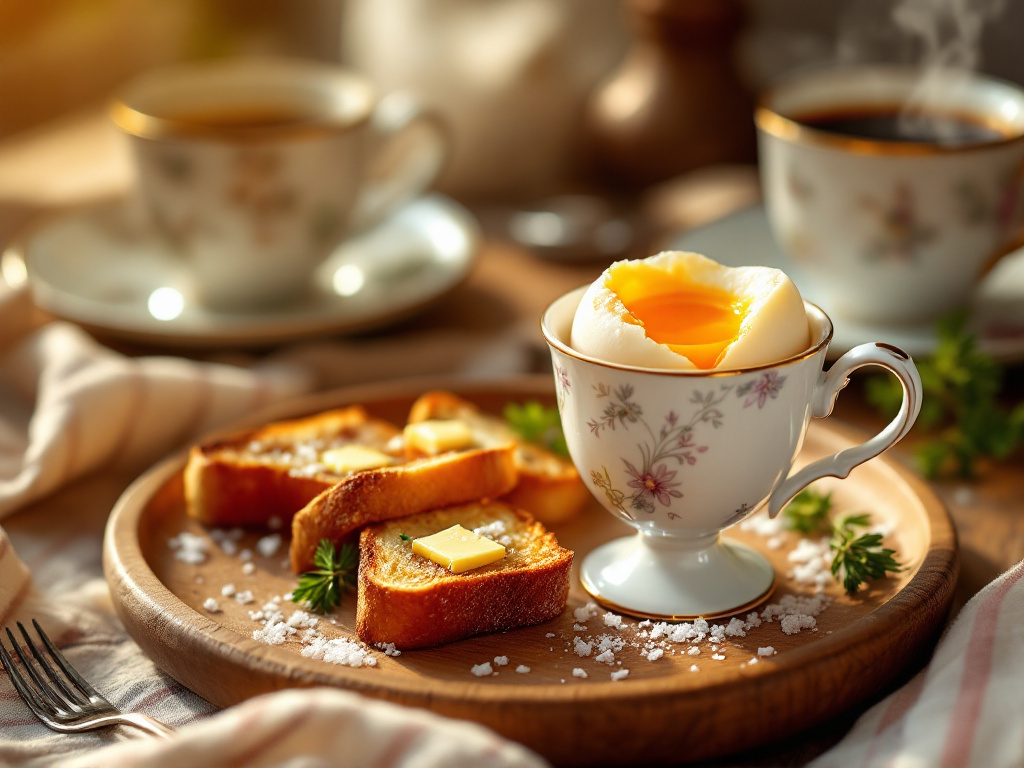
Soft-boiled eggs are perfect for dipping toast soldiers or adding to ramen for that silky yolk effect. Here’s the timing:
- Cook Time: 4–6 minutes
- 4 minutes = Runny yolk
- 6 minutes = Custard-like jammy yolk
- Method: Place eggs in a pot of cold water. Bring to a gentle boil, start your timer, then transfer eggs to an ice bath right after cooking.
Pro Tip: Use an egg timer to avoid overcooking! Check this highly-rated egg timer on Amazon for precision.
2. Medium-Boiled Eggs
Medium-boiled eggs are a happy middle ground—perfect for salads and snacks.
- Cook Time: 7–8 minutes
- 7 minutes = Slightly soft yolk center
- 8 minutes = Firm yet creamy yolk
- Method: Start the same as above, but extend the cooking time slightly before cooling.
3. Hard-Boiled Eggs
Hard-boiled eggs are great for deviled eggs, egg salad, or as an on-the-go snack.
- Cook Time: 9–12 minutes
- 9 minutes = Fully cooked but still tender yolk
- 12 minutes = Firm yolk ideal for mashing
- Method: Follow the same boiling and cooling process. The longer cooking time ensures fully set yolks.
Tip for Easy Peeling: Add a splash of vinegar to your boiling water. You can also use baking soda. This will loosen the shell from the whites. Here’s a trusted vinegar on Amazon to stock your pantry!
Water Temperature and Boiling Tricks
The temperature of your water plays a huge role in egg consistency. Let’s break it down:
- Cold Water Start: For even cooking, place eggs in cold water before bringing them to a boil.
- Simmer, Don’t Rapid Boil: Once water reaches a boil, lower the heat to a gentle simmer to avoid cracking.
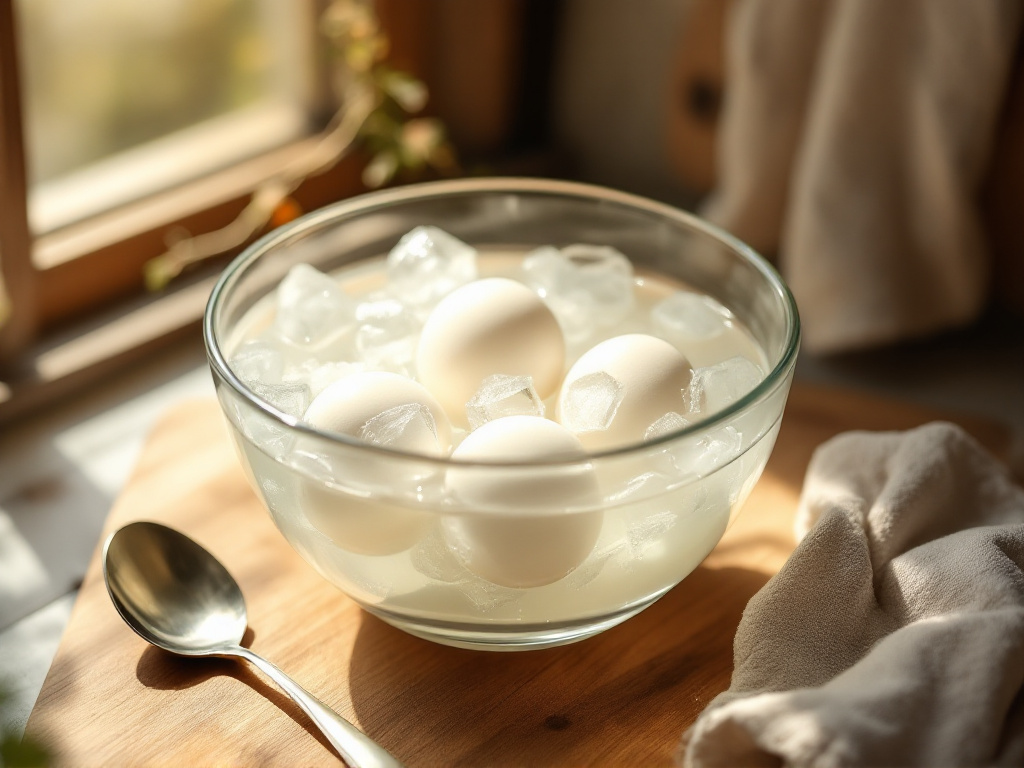
- Ice Bath is Key: Instantly dunk boiled eggs into an ice bath. This stops the cooking process and makes peeling easier!
Storing and Serving Boiled Eggs
Whether you’ve made one egg or a dozen, here’s how to store and use them:
- Refrigeration: Store unpeeled boiled eggs in the fridge for up to 7 days. Peeled eggs should be consumed within 2–3 days for the best flavor.
- Quick Meal Ideas: Toss boiled eggs into salads. Slice them for sandwiches. Sprinkle with spices like paprika and salt for a quick snack!
Want to elevate your boiled egg game? Try pairing it with a silky classic Bolognese sauce recipe for an indulgent breakfast-for-dinner twist!
Essential Tools for Boiling Eggs
Making perfect boiled eggs is easier with the right tools! These handy gadgets are a must for any kitchen:
- Egg Timer: Set it and forget it. Shop egg timers here.
- Heavy-Bottomed Pot: Even heating makes all the difference! Browse top-rated pots on Amazon.
- Slotted Spoon: For easy egg removal without cracks. Find slotted spoons here.
P.S. Pair this guide with our Crispy Fried Prawns recipe for a truly elevated snack combo!
FAQs: Boiling Eggs Like a Pro
❓ Do I need to pierce the eggshell before boiling?
Not necessarily! While some recommend piercing to prevent cracks, a cold-water start and gentle simmer typically work just as well.
❓ Can I boil eggs in an air fryer instead of water?
Yes, you can! Preheat your air fryer to 250°F (120°C) and “boil” the eggs for 13–17 minutes, depending on your desired doneness.
❓ Why do my boiled eggs have that green ring around the yolk?
A green or gray ring forms due to overcooking. This happens because the sulfur in the egg white reacts with the iron in the yolk. Avoid this by sticking to the times above!
Recipes Featuring Boiled Eggs
Now that you’ve mastered boiled eggs, why not try incorporating them into these Food Jot Blog favorites?
Frisée Salad with Bacon: A classic French dish that pairs beautifully with a soft or medium-boiled egg.
Garbure Soup: Add quartered hard-boiled eggs for extra protein!
Buckwheat Galettes: A savory treat topped with runny yolk perfection.
Conclusion: Perfect Boiled Eggs Every Time
Boiling eggs seems simple, but small tweaks—like timing, water temperature, and cooling techniques—make a huge difference! Whether you’re preparing soft-boiled eggs for brunch, you have all the information. If you are making a batch of hard-boiled eggs for meal prep, you have all the information. Use these tips to get perfect results every time.
Feeling inspired? Check out our Top Recipes on Food Jot for even more culinary ideas!
Let us know in the comments: What’s your favorite way to enjoy boiled eggs?
Happy boiling,
Aboudi 🌟