
Introduction
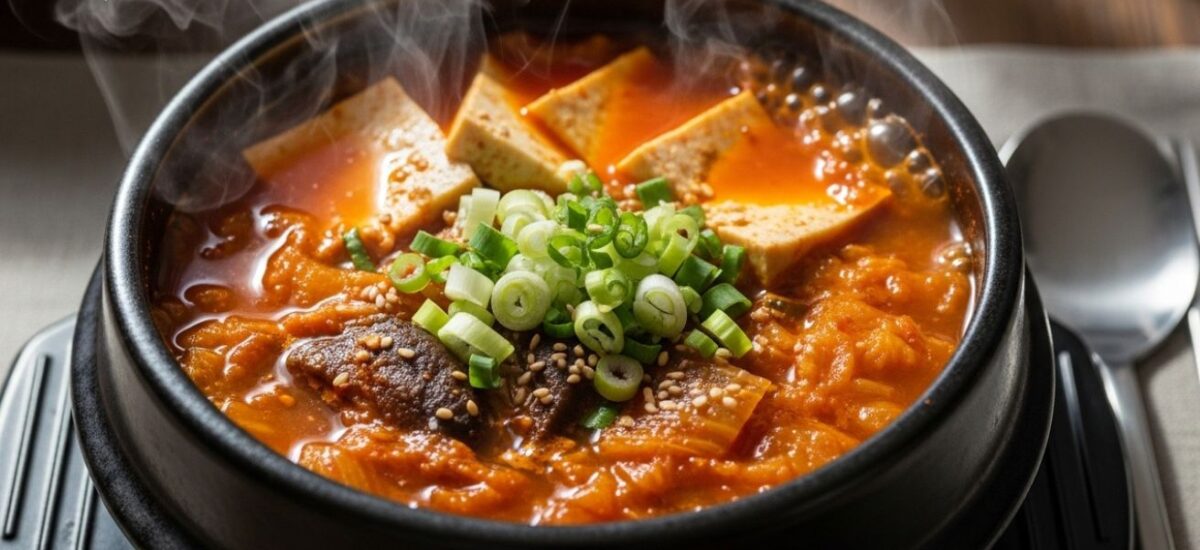
Craving a dish that’s both comforting and incredibly quick to make? Look no further than this Healthy 30-Minute Korean Kimchi Jjigae Recipe! Perfect for busy weeknights, this vibrant stew brings the authentic flavors of Korea right to your kitchen. At Food Jot, we’re all about Quick & Healthy Global Comfort Food Makeovers, and this kimchi jjigae is a shining example. Forget long hours in the kitchen; this recipe is designed for speed without compromising on taste or nutrition.
Why You’ll Love This Healthy Kimchi Jjigae Recipe

This isn’t just any kimchi jjigae; it’s a healthier, quicker version designed for the modern kitchen. Here’s why it’s about to become a staple in your meal rotation:
•Lightning Fast: True to its name, this recipe comes together in just 30 minutes, making it ideal for those hectic weeknights when you need a nutritious meal without the fuss.
•Nutrient-Packed: Loaded with fermented kimchi, lean protein, and fresh vegetables, this stew is a powerhouse of vitamins, minerals, and probiotics, supporting gut health and overall well-being.
•Flavor Explosion: The deep, tangy, and spicy flavors of kimchi, combined with savory broth and tender ingredients, create a symphony of taste that will tantalize your taste buds. It’s a truly authentic Korean flavor experience.
•Customizable: Easily adapt this recipe to your dietary needs and preferences. Whether you’re looking for a vegan option, a high-protein boost, or a gluten-free meal, this recipe is incredibly versatile.
•Budget-Friendly: Made with readily available and affordable ingredients, this kimchi jjigae is kind to your wallet without sacrificing quality or taste.
Ingredients: What You’ll Need for the Perfect Kimchi Jjigae

Gathering your ingredients is the first step to a delicious and quick Korean stew. Here’s what you’llóneed to create this flavorful dish. Remember, quality ingredients make all the difference, especially when it comes to the star of the show: kimchi!
For the Kimchi Jjigae Base
•Aged Kimchi: Approximately 1 ½ – 2 cups (about 300-400g) of well-fermented, sour kimchi, cut into bite-sized pieces. The older and sourer the kimchi, the deeper the flavor of your jjigae. You can find high-quality kimchi on Amazon, like this Jongga Kimchi.
•Kimchi Brine: ¼ cup (60ml) of the liquid from your kimchi jar. This adds an extra punch of flavor and probiotics.
•Water or Broth: 3-4 cups (700-950ml) of water, vegetable broth, or anchovy stock for a richer flavor. For a quick and easy option, consider using a good-quality vegetable broth.
Protein Options (Choose Your Favorite!)
•Pork Belly: 6-8 ounces (170-225g) of skinless pork belly, cut into ½-inch thick pieces. This is the traditional choice and adds incredible richness. For a leaner option, pork shoulder or loin can be used.
•Firm Tofu: 1 block (14-16 ounces / 400-450g) of firm or extra-firm tofu, drained and sliced into ½-inch thick rectangles. Tofu is a fantastic plant-based protein alternative.
•Canned Tuna: 1 can (5 ounces / 140g) of tuna in water or oil, drained. A popular and quick addition for a lighter stew.
Fresh Vegetables & Aromatics
•Onion: ½ medium yellow onion, thinly sliced.
•Green Onions: 2-3 stalks, chopped, divided for cooking and garnish.
•Mushrooms: 4-5 shiitake mushrooms (fresh or rehydrated), stems removed and sliced. You can also use other mushrooms like enoki or oyster mushrooms.
•Garlic: 4-5 cloves, minced.
Essential Korean Seasonings
•Gochugaru (Korean Chili Flakes): 1-2 tablespoons, depending on your spice preference. This is key for authentic Korean flavor and heat. Find it here: Gochugaru on Amazon.
•Gochujang (Korean Chili Paste): 1 tablespoon. Adds a rich, savory, and slightly sweet heat. A staple in Korean cooking: Gochujang on Amazon.
•Soy Sauce: 1 tablespoon. Use a good-quality Korean soy sauce for the best results.
•Sesame Oil: 1 teaspoon, for finishing. A drizzle of toasted sesame oil adds a wonderfulónutty aroma.
•Sugar: ½ – 1 teaspoon (optional, to balance the sourness of kimchi).
•Black Pepper: A few sprinkles.
Step-by-Step: How to Make 30-Minute Kimchi Jjigae
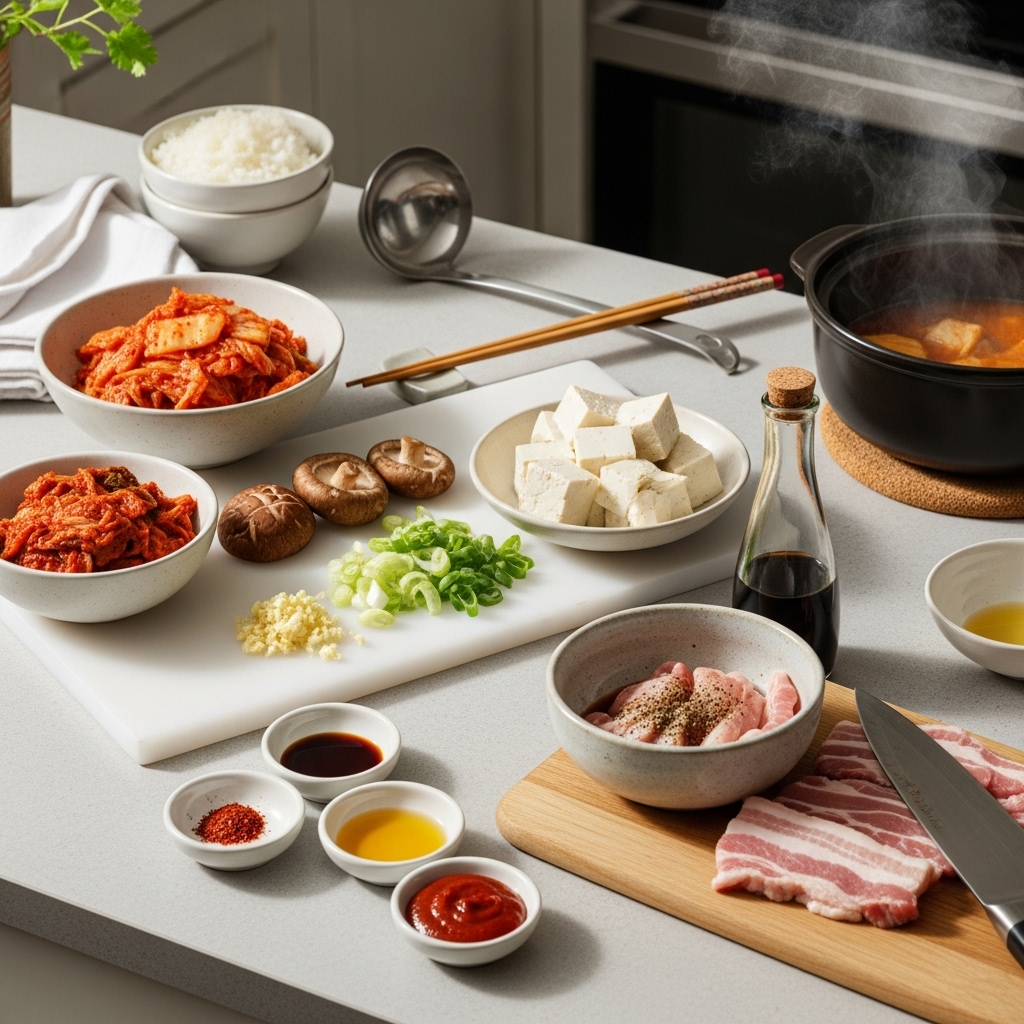
Follow these simple steps to create a delicious and quick Korean stew in just 30 minutes. This recipe is designed for efficiency without sacrificing the rich, authentic flavors of a traditional kimchi jjigae. ⏱️
1. Prepare Your Ingredients:
•If using pork belly, marinate it with a sprinkle of black pepper and 1 tablespoon of rice wine (mirin) for about 15 minutes while you prepare other ingredients. This tenderizes the meat and adds flavor.
•Ensure your aged kimchi is cut into bite-sized pieces. If not, roughly chop it.
•Slice your onion, green onions (reserving some for garnish), and mushrooms.
•Drain and slice your tofu into desired shapes.
•In a small bowl, combine the jjigae base seasonings: gochugaru, gochujang, soy sauce, minced garlic, and a few sprinkles of black pepper. Mix well to form a paste.
2. Build the Flavor Base:
•In a medium pot or a Korean clay pot (dolsot), add a tablespoon of cooking oil (if not using fatty pork belly). If using pork belly, you can render some fat first. Add the kimchi and cook over medium heat for 5-7 minutes, stirring occasionally, until it softens and becomes fragrant. This step is crucial for developing the deep kimchi flavor.
•Add the sliced onion and the marinated pork belly (if using) to the pot. Sauté until the pork is no longer pink and the onion is translucent, about 5-7 minutes. If using canned tuna, add it now and lightly sauté for 1-2 minutes.
3. Simmer to Perfection:
•Pour in the kimchi brine and water (or broth). Add the prepared jjigae base mixture, mushrooms, and most of the chopped green onions (reserve some for garnish). Stir everything gently to combine.
•Bring the stew to a rolling boil over medium-high heat. Once boiling, reduce the heat to medium-low, cover, and let it simmer for 10-15 minutes. This allows the flavors to meld beautifully and the ingredients to cook through.
•During the last 5 minutes of simmering, gently add the sliced tofu to the pot. Avoid stirring too vigorously to prevent breaking the tofu. Continue to simmer until the tofu is heated through and the stew has thickened slightly to your liking.
4. Serve and Enjoy!
•Once cooked, turn off the heat. Garnish with the remaining fresh green onions. For an extra touch, you can drizzle a teaspoon of toasted sesame oil over the top just before serving for a nutty aroma.
•Serve your Healthy 30-Minute Korean Kimchi Jjigae hot with a bowl of fluffy white rice. It’s a complete and satisfying meal on its own, but also pairs wonderfully with other Korean side dishes from Food Jot.
Healthy Variations & Dietary Adaptations

One of the best things about this Healthy 30-Minute Korean Kimchi Jjigae Recipe is its adaptability. You can easily tweak it to fit various dietary needs and preferences without sacrificing flavor. 🥦
Vegan Kimchi Jjigae
To make this stew completely plant-based, simply omit the pork belly. Ensure your kimchi is vegan (some brands use fish sauce or shrimp paste). Use vegetable broth instead of anchovy stock or water. You can increase the amount of firm tofu or add other plant-based proteins like rehydrated dried shiitake mushrooms for a deeper umami flavor, or even a handful of cooked chickpeas for extra protein. This Vegan Kimchi Jjigae Reigns Supreme from The Korean Vegan offers great inspiration.
High-Protein Boost
If you’re looking to increase the protein content, consider adding more lean protein sources. Besides pork belly, you can use chicken breast, lean beef (like sirloin or flank steak), or even a couple of eggs cracked directly into the simmering stew during the last few minutes of cooking. For a quick and easy protein addition, canned tuna is an excellent choice, as seen in this Kimchi Soup with Canned Tuna recipe.
Gluten-Free Options
Making this kimchi jjigae gluten-free is straightforward. The main ingredient to watch out for is soy sauce. Simply substitute regular soy sauce with a gluten-free tamari or coconut aminos. Most other ingredients like kimchi, gochugaru, and gochujang are naturally gluten-free, but always check labels to be sure. This makes it a fantastic option for those with gluten sensitivities, offering a hearty and flavorful meal without compromise.
Expert Tips for the Best Kimchi Jjigae
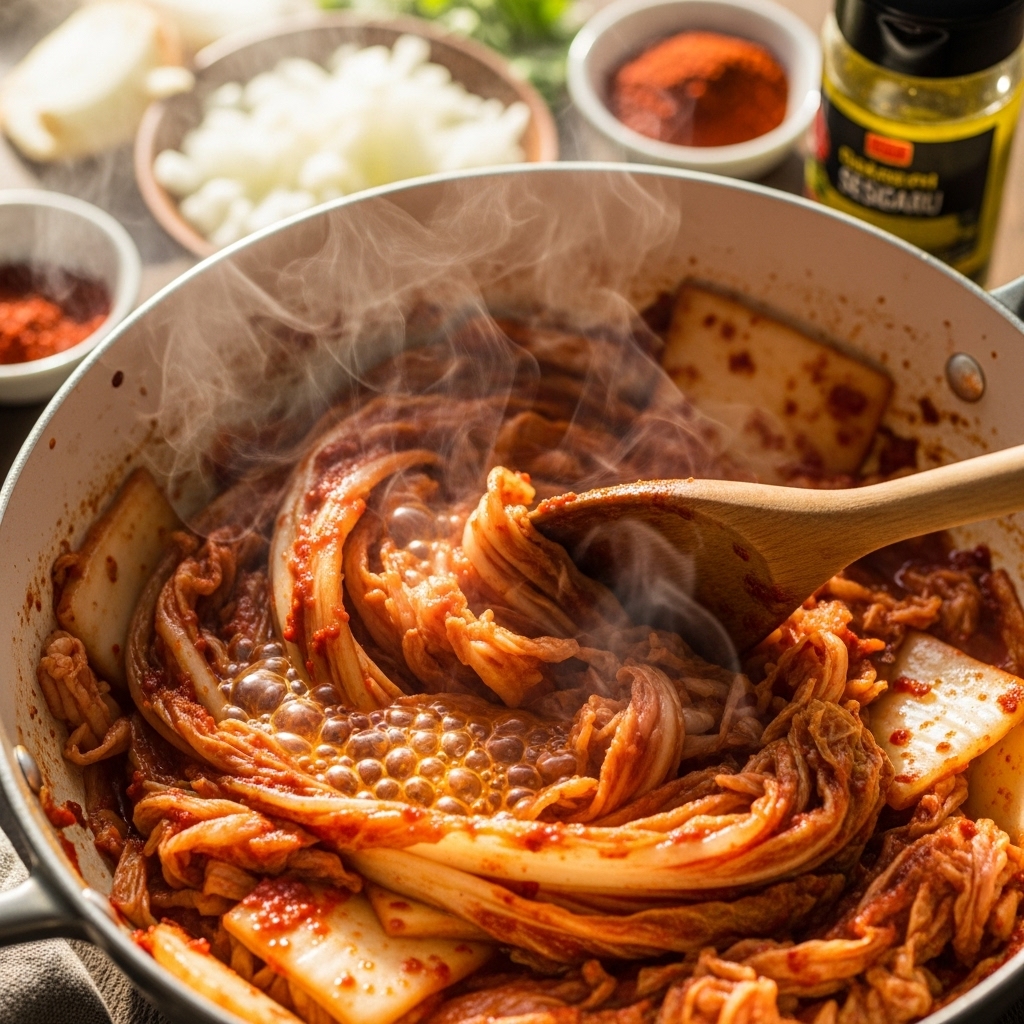
Achieving that perfect, deeply flavorful kimchi jjigae is an art, but with these expert tips, you’ll be cooking like a seasoned Korean chef in no time!
•Use Aged Kimchi: This is perhaps the most crucial tip. Fresh kimchi is delicious, but for kimchi jjigae, you need well-fermented, sour kimchi. As kimchi ages, it develops a deeper, more complex flavor profile that is essential for the stew’s characteristic tang and umami. If your kimchi isn’t sour enough, you can add a tiny splash of vinegar or a pinch of sugar to balance the flavors.
•Sauté the Kimchi First: Don’t skip this step! Sautéing the kimchi in a little oil (or rendered pork fat) before adding the liquid helps to deepen its flavor and release its aromatic compounds. This process caramelizes the kimchi slightly, creating a richer base for your stew.
•Don’t Skimp on the Kimchi Brine: The liquid from your kimchi jar is liquid gold! It’s packed with flavor and probiotics. Adding it to your stew enhances the kimchi flavor and contributes to the authentic taste.
•Choose Your Protein Wisely: While pork belly is traditional and adds incredible richness, feel free to experiment. Leaner cuts of pork, beef, or even canned tuna offer different flavor profiles. For a vegetarian option, extra-firm tofu is an excellent choice.
•Balance the Flavors: Kimchi jjigae should be a harmonious blend of spicy, savory, and tangy. Taste as you go! If it’s too sour, a little sugar can balance it out. If it needs more depth, a dash of soy sauce or a bit more gochujang can work wonders.
•Serve with Rice: Kimchi jjigae is traditionally served with a bowl of hot, fluffy white rice. The rice helps to soak up the flavorful broth and provides a perfect counterpoint to the stew’s bold flavors.
•Let it Rest (Optional): Like many stews, kimchi jjigae often tastes even better the next day as the flavors continue to meld. If you have time, make it ahead and reheat for an even more satisfying meal.
Frequently Asked Questions (FAQ)
Here are some common questions about making delicious Kimchi Jjigae:
•What kind of kimchi should I use for Kimchi Jjigae? For the best Kimchi Jjigae, use aged, well-fermented kimchi that is at least 2-3 weeks old and has a distinctly sour taste. The older and sourer the kimchi, the deeper and more complex the flavor of your stew will be. Fresh kimchi is not ideal for jjigae as it lacks the necessary depth of flavor. You can often find aged kimchi at Korean grocery stores or online. If you’re unsure, look for kimchi specifically labeled for stewing or with a longer fermentation period.
•Can I make Kimchi Jjigae vegetarian or vegan? Absolutely! To make a vegetarian or vegan Kimchi Jjigae, simply omit any meat (like pork belly) and use vegetable broth instead of anchovy stock or water. Ensure your kimchi is vegan-friendly, as some brands contain fish sauce or shrimp paste. You can substitute meat with extra-firm tofu, mushrooms (especially shiitake), or even plant-based meat alternatives. This makes it a versatile dish for various dietary preferences.
•How can I make my Kimchi Jjigae spicier or milder? The spice level of your Kimchi Jjigae can be easily adjusted. For a spicier stew, increase the amount of gochugaru (Korean chili flakes) and gochujang (Korean chili paste). You can also add fresh chili peppers like Korean green chilies or serrano peppers during cooking. For a milder version, reduce the amount of gochugaru and gochujang, or omit the gochugaru entirely. You can also add a touch more sugar to balance the heat.
•What do I serve with Kimchi Jjigae? Kimchi Jjigae is traditionally served with a bowl of hot, fluffy white rice, which helps to soak up the flavorful broth and balance the rich taste. It also pairs wonderfully with a variety of Korean side dishes (banchan) such as seasoned bean sprouts, spinach, or pickled radishes. Some people also enjoy it with a side of grilled fish or other Korean BBQ dishes.
•Can I store leftover Kimchi Jjigae? Yes, Kimchi Jjigae stores very well! In fact, like many stews, it often tastes even better the next day as the flavors have more time to meld and deepen. Store any leftovers in an airtight container in the refrigerator for up to 3-4 days. Reheat gently on the stovetop or in the microwave until thoroughly hot. You may need to add a splash of water or broth if it has thickened too much upon reheating.
Disclaimer
📌 Disclaimer: Please note that this post contains affiliate links. As an AMAZON Associate, I earn from qualifying purchases at no extra cost to you. These links help support Food Jot and allow us to continue providing you with delicious recipes and helpful content. ✅ Live product links included.
Related Recipes You’ll Love
Looking for more delicious and easy recipes? Explore these related posts from Food Jot:
•Easy One-Pot Chicken and Vegetable Stew Recipe
•Classic Creamy Mac and Cheese Recipe
•Bibimbap Recipe: Korean Rice Bowl (for another Korean favorite!)
•Katsu Curry Recipe (another Asian comfort food!)
External Resources & Further Reading
For more in-depth information on Korean cuisine and Kimchi Jjigae, consider these reputable sources:
•Maangchi.com – Kimchi Stew (Kimchi-jjigae) recipe
•MyKoreanKitchen.com – Kimchi Jjigae Recipe
•The Korean Vegan – Vegan Kimchi Jjigae Reigns Supreme
Conclusion
This Healthy 30-Minute Korean Kimchi Jjigae Recipe is more than just a meal; it’s a culinary journey that brings the vibrant flavors of Korea right to your table, even on your busiest days. We’ve shown you how to create a hearty, healthy, and incredibly satisfying stew that’s perfect for any occasion. Whether you’re a seasoned cook or just starting your culinary adventures, this recipe is designed to be accessible and enjoyable.
We hope this SEO-optimized blog post has provided you with all the information and inspiration you need to make this delicious dish a regular part of your healthy eating routine. Don’t forget to explore other Quick & Healthy Global Comfort Food Makeovers on Food Jot for more exciting recipes. Happy cooking!